Walk into any supplement store or scroll online for five minutes and you will see dozens of options claiming to be the best. Whey, isolate, concentrate, casein, plant based blends, collagen, egg white protein, and more. With so many choices, it is no surprise that people ask the same question: what protein powder is best? The honest answer is that the best protein powder depends on your goal, digestion, budget, and overall nutrition plan. No single product works perfectly for everyone. The right choice supports your body, fits your lifestyle, and helps you hit your daily protein target consistently.
What Makes a Protein Powder “Best”?
The best protein powder is not the one with the flashiest label or the highest price. It is the one that delivers high quality protein, digests well, contains minimal unnecessary ingredients, and aligns with your health goal. Before choosing a product, you need to define your purpose. Are you trying to lose fat? Build muscle? Improve recovery? Replace meals? Support a vegetarian diet?
A quality protein powder should provide at least 20 to 25 grams of protein per serving, contain low added sugar, and avoid excessive artificial fillers. It should also list clear ingredient information and preferably undergo third party testing for purity. Once you understand what to look for, narrowing down the best option becomes easier.
Whey Protein: Best for Muscle Growth and Recovery
Whey protein remains one of the most researched and popular options available. It comes from milk during the cheese making process and contains all nine essential amino acids. Whey digests quickly and delivers a high amount of leucine, an amino acid that plays a key role in muscle protein synthesis.
There are two common forms of whey: concentrate and isolate. Whey concentrate contains slightly more fat and lactose, while whey isolate undergoes additional processing to remove most lactose and fat. If you tolerate dairy well, whey protein is often the best option for muscle growth and post workout recovery. It absorbs quickly, supports lean muscle development, and fits easily into most diets.
Casein Protein: Best for Overnight Recovery
Casein is another milk derived protein, but it digests much more slowly than whey. Because of its slow absorption rate, many people take casein before bed to support overnight muscle repair. It provides a steady release of amino acids over several hours.
If your primary goal is long term muscle preservation and you want a protein source that keeps you full for longer periods, casein can be a strong option. However, it is not necessary for everyone. If you already consume adequate daily protein, whey or whole foods may be sufficient.
Plant Based Protein: Best for Dairy Free Diets
For individuals who avoid dairy, plant based protein powders offer an effective alternative. Common sources include pea protein, brown rice protein, hemp protein, and blended plant formulas. A well formulated plant protein blend can provide all essential amino acids when combined properly.
Pea protein stands out for its relatively high leucine content and digestibility. Many plant based powders blend pea and rice protein to improve amino acid balance. If you follow a vegan diet or struggle with lactose intolerance, a high quality plant based protein may be the best choice for you.
Collagen Protein: Best for Skin and Joint Support
Collagen protein differs from traditional muscle building protein powders. It supports skin elasticity, joint health, and connective tissue rather than muscle growth. Collagen lacks certain essential amino acids needed for optimal muscle protein synthesis.
If your goal is muscle gain or fat loss, collagen should not replace a complete protein source like whey or plant blends. However, it can complement your routine if you want additional joint or skin support.
Protein Powder for Fat Loss
If fat loss is your primary goal, the best protein powder is one that helps you control calories while preserving muscle. Whey isolate or a clean plant based protein with minimal carbohydrates and fat often works well. Protein increases fullness and helps reduce cravings, making it easier to maintain a calorie deficit.
Programs like the FitEnomics Best Body Program emphasize adequate protein intake during fat loss phases to maintain lean muscle while reducing body fat. A protein powder can make it easier to reach your daily protein target without adding excessive calories.
Protein Powder for Muscle Gain
If your goal involves building muscle, you need sufficient total calories along with adequate protein. Whey protein often ranks as the best option due to its rapid digestion and strong amino acid profile. Consuming 20 to 40 grams of protein after resistance training supports muscle repair and growth.
Consistency matters more than brand. Hitting your daily protein target consistently drives results more than obsessing over minor differences between powders.
What to Avoid in Protein Powder
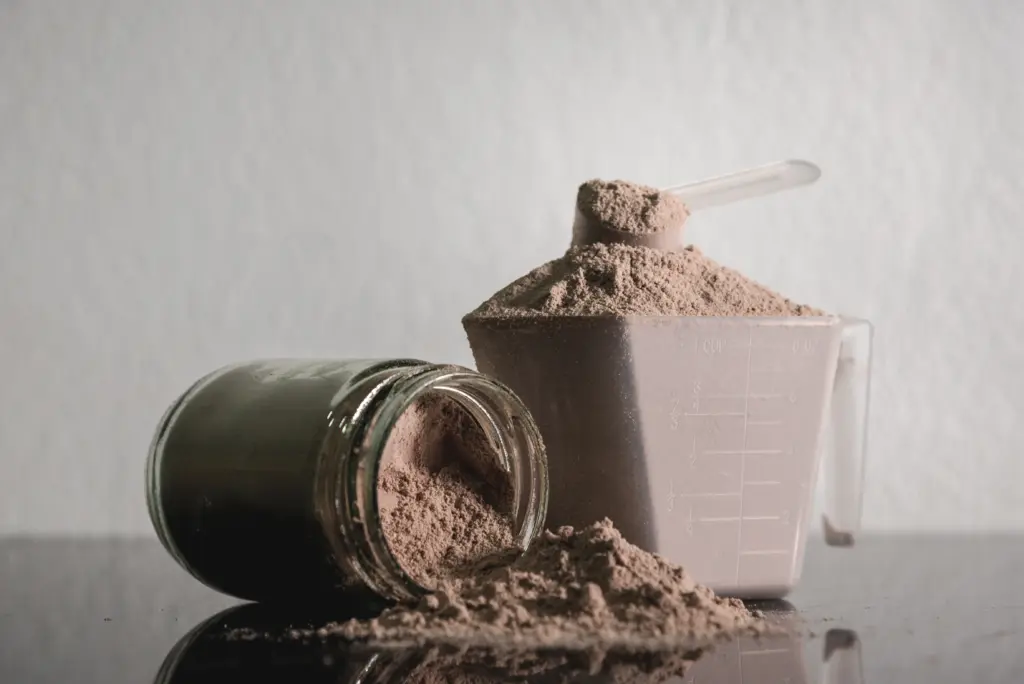
Not all protein powders are created equal. Some contain excessive added sugars, artificial colors, unnecessary fillers, or proprietary blends that hide ingredient amounts. Avoid products with long ingredient lists filled with unrecognizable additives.
Look for transparency. A clean label with clear protein content, minimal sugar, and tested quality standards is usually a better sign than heavy marketing claims.
How Much Protein Do You Actually Need?
Most active adults benefit from consuming between 0.7 and 1 gram of protein per pound of goal body weight. For example, someone aiming for 170 pounds may target between 120 and 170 grams of protein per day. Whole foods such as chicken, fish, eggs, and Greek yogurt should form the foundation of your intake.
Protein powder serves as a convenient tool to fill gaps. It should not replace balanced meals entirely. Use it to supplement your diet, not substitute real food completely.
So, What Protein Powder Is Best?
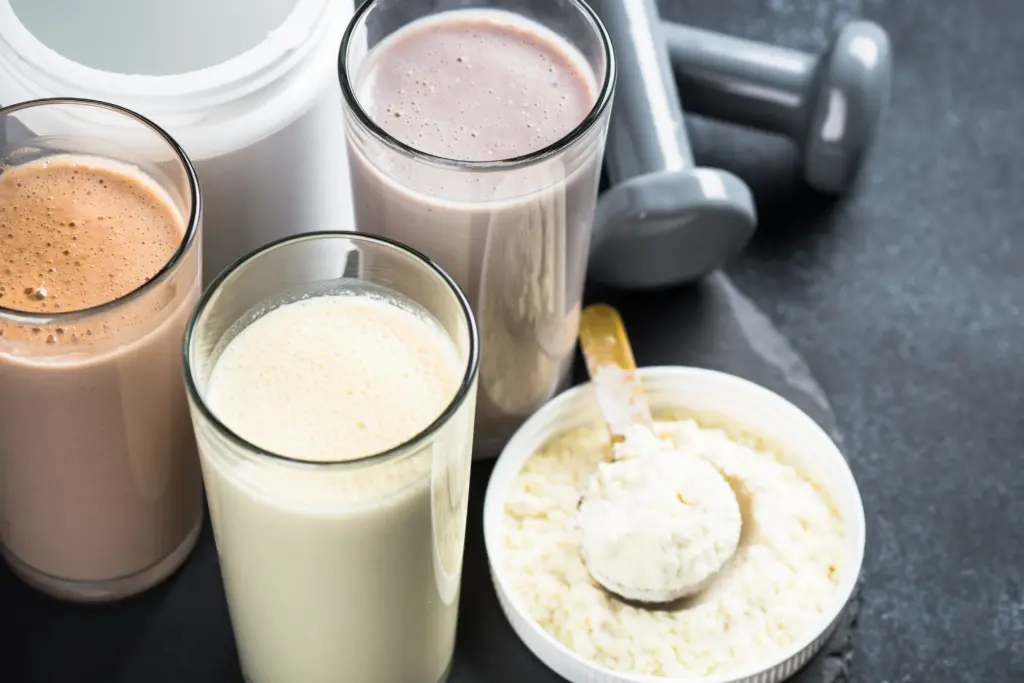
If you tolerate dairy and want muscle growth or recovery support, whey isolate or concentrate is often the best choice. If you avoid dairy, a high quality pea or plant based blend works well. If you want additional joint and skin support, collagen can complement your routine.
The best protein powder is the one that fits your digestion, supports your goal, contains clean ingredients, and helps you stay consistent. Focus less on hype and more on quality and overall nutrition habits.
Ultimately, protein powder is a tool. It can help you build muscle, lose fat, and improve recovery when used properly. Pair it with structured training, balanced nutrition, and consistency for the best results.