
Yoga is often recognized for its physical postures and breathing techniques, but traditional yoga systems include many subtle practices that support mental focus, emotional balance, and internal awareness. One of these lesser known yet deeply rooted practices involves hand gestures called mudras. This leads many practitioners to ask an important question: what are the mudras in yoga? Mudras are intentional hand positions used during meditation, breathwork, and seated postures to influence awareness and support internal balance. Though simple in appearance, mudras hold symbolic, neurological, and psychological significance within yogic tradition.

The Origin and Meaning of Mudras
To fully understand what are the mudras in yoga, it is helpful to explore their origin. The word mudra comes from Sanskrit and is commonly translated as seal or gesture. In yogic philosophy, mudras act as seals that guide internal energy and awareness. Ancient yogic texts describe mudras as tools used to reinforce meditation, ritual focus, and spiritual discipline. These gestures developed as a way to connect physical posture with mental intention, allowing practitioners to cultivate deeper states of awareness through simple bodily cues.
How Mudras Influence Mind Body Awareness
Mudras work by creating intentional physical feedback that reinforces mental focus. The hands contain a dense network of sensory receptors that continuously send information to the brain. When specific fingers touch or press together, they create consistent sensory input that anchors attention. This physical cue helps reduce mental distraction and supports sustained focus during meditation or breathing exercises. Mudras do not rely on force or strain. Instead, they promote stillness and awareness, making them accessible to practitioners of all experience levels.
Mudras and the Nervous System
From a modern perspective, mudras may support nervous system regulation through subtle sensory stimulation. When the body remains still and the hands form a gentle gesture, the nervous system receives signals associated with calm and control. Research in mindfulness and somatic awareness shows that focused body awareness helps reduce stress and improve emotional regulation. Mudras reinforce this process by giving the mind a physical point of focus, which helps quiet mental activity and support relaxation.
The Symbolic Role of Mudras in Yoga
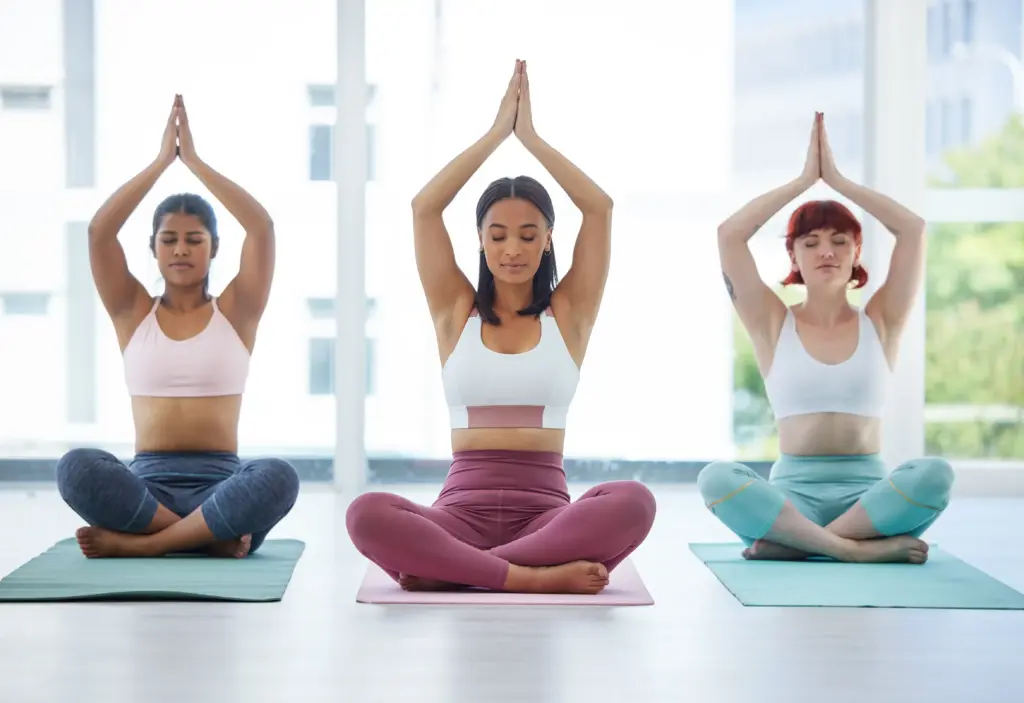
Mudras carry symbolic meaning beyond their physical form. In traditional yoga philosophy, the fingers often represent natural elements such as earth, water, fire, air, and space. When these elements connect through intentional hand placement, they symbolize internal harmony and balance. While modern practitioners may not consciously focus on symbolism, this deeper layer adds meaning and intention to the practice and helps explain why mudras have remained relevant across centuries.
Mudras in Meditation Practice
Mudras play an important role in meditation because they help create a sense of stability and completeness in posture. Many people experience restlessness during seated meditation, often through fidgeting or hand movement. Holding a mudra gives the hands a clear purpose and reduces unnecessary motion. Over time, the body associates certain hand positions with calmness and focus, making it easier to enter a meditative state with less effort.
Mudras and Breathing Techniques
Mudras are frequently paired with breathing exercises to deepen their effect. When combined with controlled breathing, mudras help synchronize posture and respiration. This coordination supports parasympathetic nervous system activity, which promotes relaxation and recovery. Slow breathing combined with mindful posture has been shown to improve stress regulation and emotional balance. Mudras enhance this effect by keeping awareness grounded in the body while breathing remains steady and controlled.
The Role of Intention in Mudra Practice
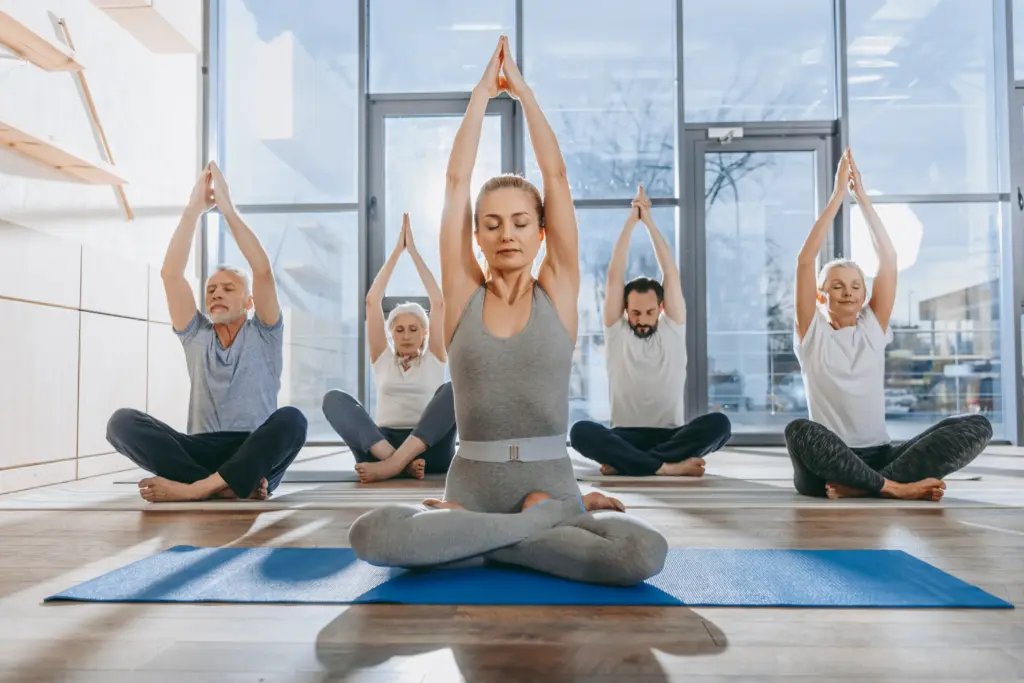
Intention gives mudras their true value. Without intention, a mudra is simply a hand position. With intention, it becomes a tool for focus and self awareness. In yoga philosophy, intention directs attention and shapes mental experience. Holding a mudra while consciously setting an intention helps unify body and mind. Modern mindfulness research supports this idea, showing that focused attention improves emotional regulation and cognitive clarity.
Mudras and Emotional Balance
Emotional states often express themselves physically through posture and muscle tension. Mudras encourage gentle engagement and stillness, which can influence emotional regulation. By maintaining a calm physical gesture, the body sends signals of safety and stability to the brain. Mindfulness based practices consistently show benefits for reducing anxiety and improving emotional resilience. Mudras support this process by reinforcing calm body language and steady awareness.
Mudras in Traditional and Modern Yoga
Traditional yoga placed strong emphasis on subtle practices such as mudras, while modern yoga often focuses more on physical movement. Integrating mudras into contemporary practice helps restore balance between physical and mental aspects of yoga. Because mudras require no flexibility or strength, they are accessible to people of all ages and abilities. Their simplicity allows practitioners to explore mindfulness without physical strain.
Scientific Perspectives on Mudras
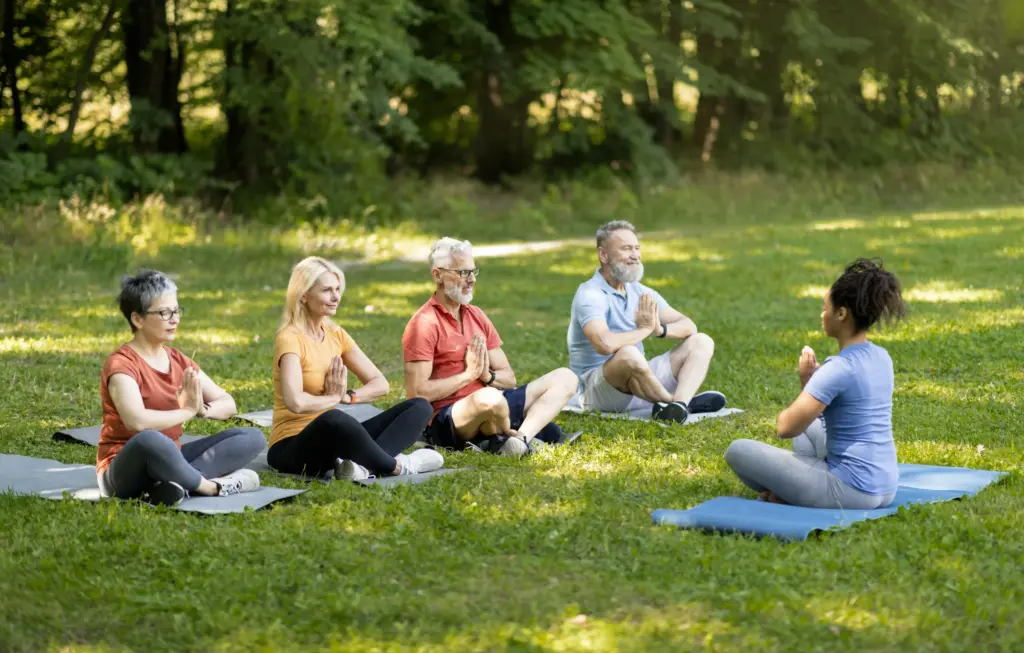
Direct scientific research on mudras remains limited, but related studies on hand posture, sensory feedback, and meditation provide insight into their potential benefits. Touch based awareness practices stimulate neural pathways associated with calmness and focus. Mudras may function similarly to grounding techniques used in psychology, which help individuals remain present during stress. These parallels suggest mudras offer practical benefits even when viewed outside traditional frameworks.
Mudras as a Daily Awareness Practice
Mudras do not need to remain confined to formal yoga sessions. Practicing them during brief moments of stillness throughout the day can reinforce mindfulness. Intentional hand placement combined with slow breathing can help reset focus and reduce mental tension. Over time, this habit supports greater emotional steadiness and mental clarity in daily life.
Who Benefits Most From Mudra Practice
Mudras benefit beginners who struggle with focus as well as experienced practitioners seeking deeper meditation. They support individuals managing stress, mental fatigue, or emotional overwhelm. Because mudras require minimal effort, they encourage consistency, which matters more than intensity for long term wellness.
The Long Term Value of Mudras
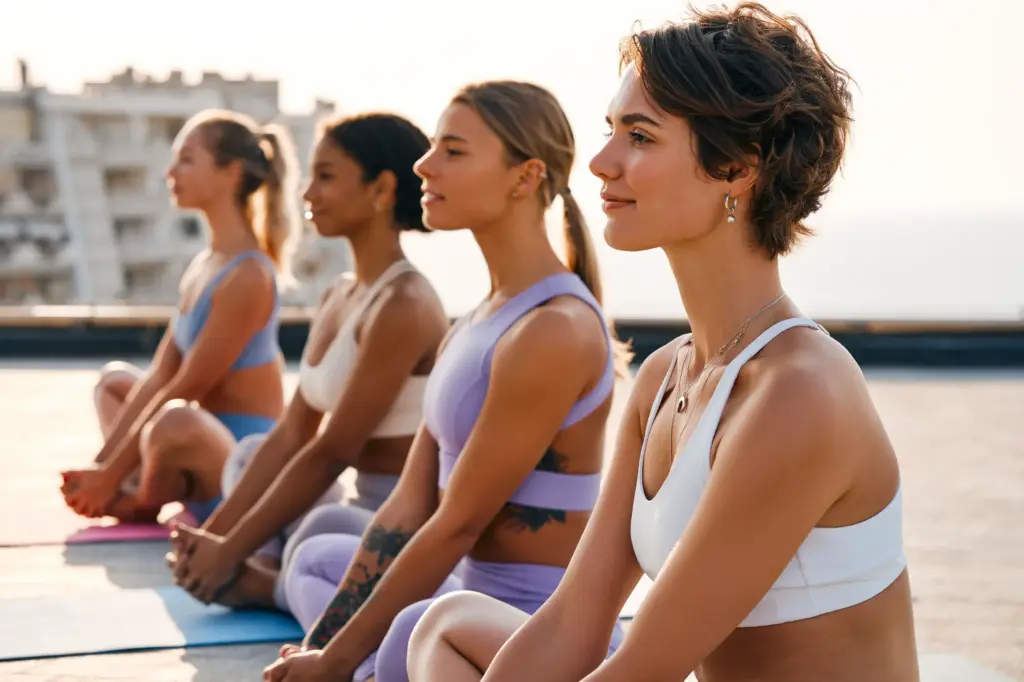
With consistent practice, mudras become subtle tools for self regulation rather than symbolic gestures. Their value lies in simplicity, awareness, and repetition. Over time, practitioners often experience improved focus, emotional steadiness, and greater ease during meditation. These changes develop gradually and support sustainable well being.
Conclusion
So, what are the mudras in yoga? They are intentional hand gestures that support focus, awareness, and internal balance through subtle physical cues. Rooted in ancient tradition, mudras remain relevant because they strengthen the connection between body and mind without physical strain. At FitEnomics, we believe sustainable wellness comes from aligning movement, mindset, and daily habits. Programs like the Best Body For Women Program and the Best Body For Men Program integrate physical training, recovery, and mental focus so practices like yoga and mudras support long term health and performance.