One of the most common questions people ask when starting keto is simple: how much protein keto diet plans actually require? Many assume keto is a high protein diet. Others fear that eating too much protein will stop fat loss. The truth sits somewhere in the middle, and understanding it can make or break your results.
The ketogenic diet is built around low carbohydrates, moderate protein, and high fat. The goal is to shift your body into ketosis, where it burns fat for fuel instead of glucose. Protein plays an important role in that process, but the amount must be balanced correctly.
In this guide, we will break down exactly how much protein you need on keto, how to calculate it, what happens if you eat too much or too little, and how to adjust based on your goals.
Is Keto a High Protein Diet?
No, keto is not designed to be high protein. It is a moderate protein diet. This is where many beginners get confused. Traditional low carb diets often increase protein significantly, but ketogenic dieting focuses on keeping protein at a level that supports muscle while still allowing ketosis.
If protein intake climbs too high, the body can convert excess protein into glucose through a process called gluconeogenesis. While this process is natural and necessary, excessive protein can reduce ketone production for some people.
The goal is not to avoid protein. It is to eat enough to maintain muscle, repair tissue, and support metabolism without pushing your body out of fat burning mode.
How Much Protein Keto Diet Guidelines Recommend
Most keto experts recommend consuming between 0.6 to 1.0 grams of protein per pound of lean body mass. Another common guideline is 0.8 to 1.2 grams of protein per kilogram of total body weight for general fat loss.
For many adults, protein ends up making up about 20 to 25 percent of total daily calories on keto. Fat typically covers 70 to 75 percent, while carbohydrates stay between 5 and 10 percent.
Here is a simple breakdown:
- Sedentary individuals: 0.6 to 0.8 grams per pound of lean body mass
- Moderately active individuals: 0.8 to 1.0 grams per pound of lean body mass
- Highly active or strength training: 1.0 grams per pound of lean body mass
This ensures muscle preservation while keeping ketosis stable.
How to Calculate Your Protein Needs
To answer how much protein keto diet planning requires for you personally, start by estimating your lean body mass. Lean body mass is your total weight minus body fat. For example, if you weigh 180 pounds and estimate your body fat at 25 percent, your lean body mass is approximately 135 pounds. If you aim for 0.8 grams per pound of lean body mass, your protein target would be about 108 grams per day.
If you do not know your body fat percentage, you can use a simpler method. Multiply your goal body weight by 0.7 to 0.9 grams. This provides a practical range that works well for most people focused on fat loss.
What Happens If You Eat Too Little Protein on Keto?
Protein is essential. Eating too little can lead to muscle loss, slower metabolism, hair thinning, poor recovery, and increased hunger. When calories drop and protein intake is insufficient, the body may break down muscle tissue for energy.
Muscle is metabolically active tissue. Losing it can reduce your daily calorie burn, making long term fat loss harder. This is especially important for women and adults over 35, who already face natural declines in muscle mass. If you feel constantly fatigued, weak during workouts, or excessively hungry, low protein intake may be the cause.
What Happens If You Eat Too Much Protein on Keto?
Eating slightly above your protein target is rarely a problem. The body does not automatically convert all excess protein into sugar. Gluconeogenesis works based on demand, not simply intake. However, consistently consuming very high protein levels can reduce ketone production in some individuals. This may slow adaptation into ketosis, especially for beginners. If weight loss stalls and carbohydrates are already low, reviewing protein intake can help. Often the solution is small adjustments rather than drastic cuts.
Protein and Fat Loss on Keto
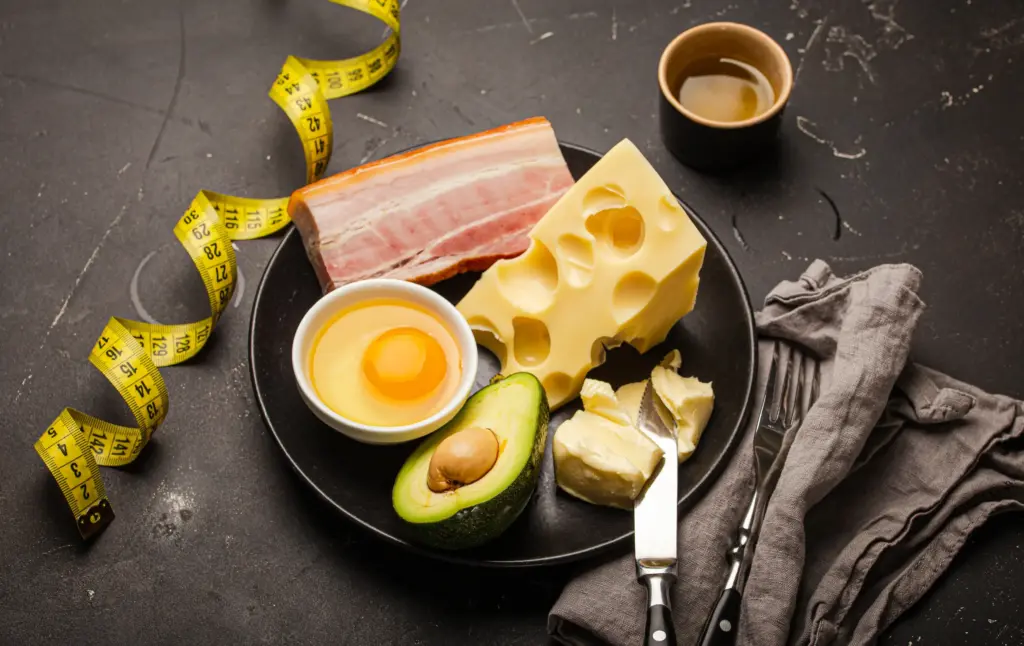
Protein actually supports fat loss. It increases satiety, meaning you feel full longer. It also has a higher thermic effect than fat or carbohydrates, meaning your body burns more calories digesting it. Many people fear protein because they think it blocks ketosis. In reality, adequate protein helps preserve muscle while your body burns stored fat. Without enough protein, you risk losing lean tissue instead of fat.
This balance is exactly what structured programs like the Best Body Keto + Fat Loss Program are designed to manage. Instead of guessing macros, you follow a plan that aligns protein, fat, and carbs for sustainable fat burning.
Does Protein Kick You Out of Ketosis?
For most people, moderate protein intake does not kick them out of ketosis. The idea that even small amounts of protein will stop fat burning is largely exaggerated. Ketosis depends primarily on carbohydrate restriction. As long as carbs stay low, the body continues producing ketones. Protein only becomes problematic when it replaces fat excessively and pushes total calories too high. If you are testing ketones and notice a drop after increasing protein, it may help to slightly increase fat intake rather than drastically cutting protein.
Best Protein Sources on Keto
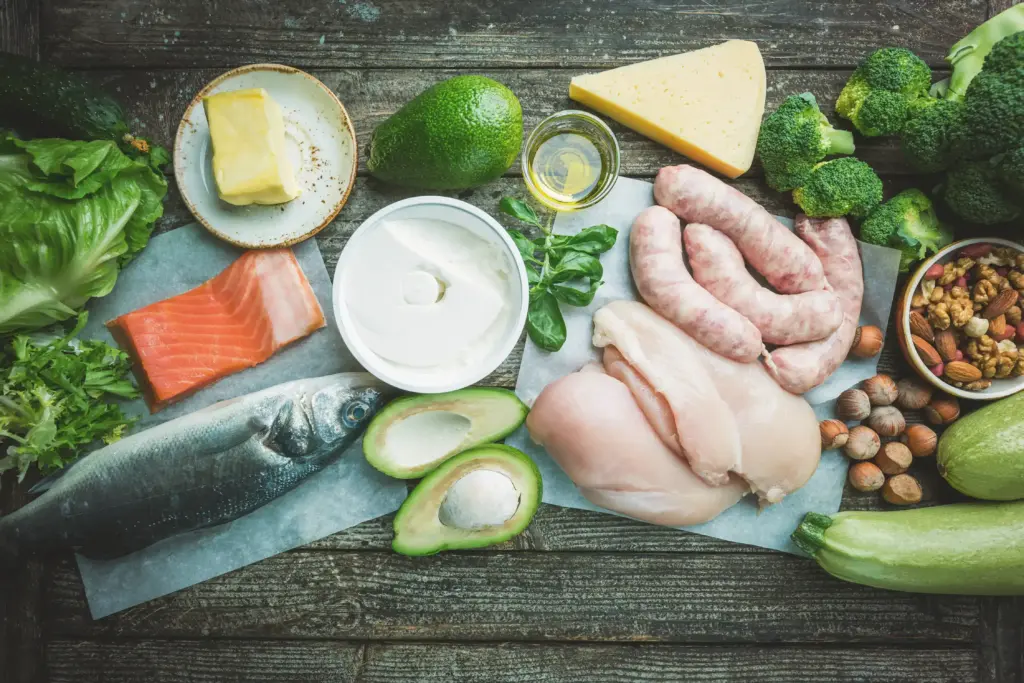
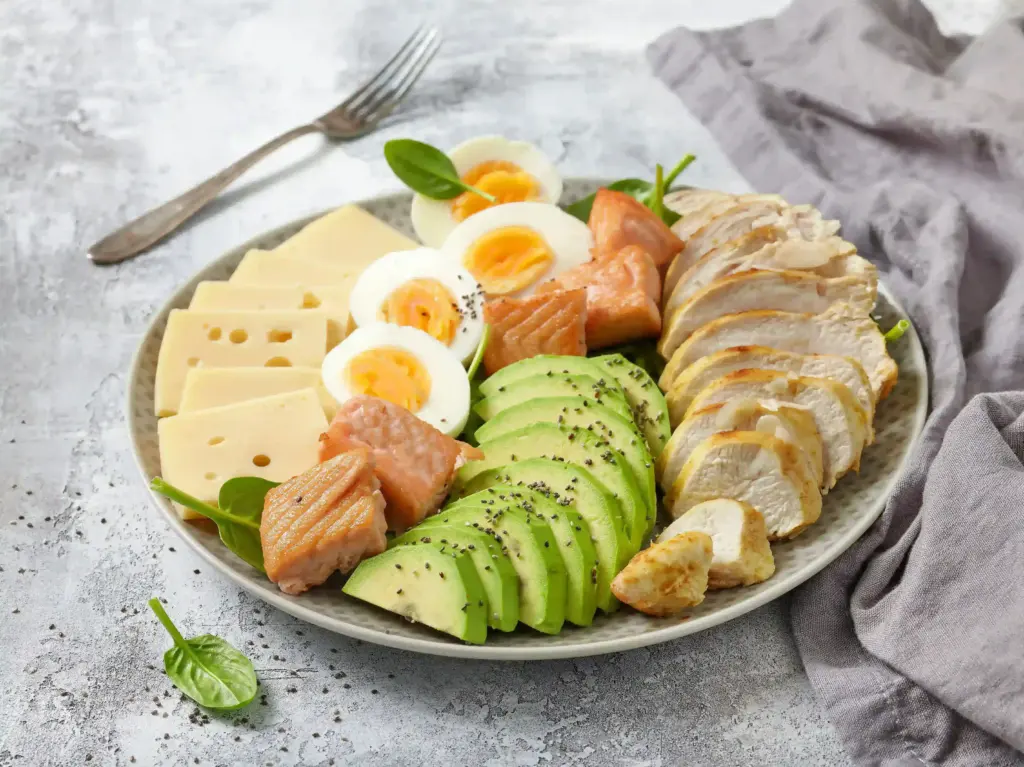
Choosing quality protein sources matters. Whole food options provide better nutrient density and satiety compared to processed meats.
Excellent keto protein sources include:
- Grass fed beef
- Chicken thighs and breasts
- Turkey
- Salmon and fatty fish
- Eggs
- Pork
- Full fat Greek yogurt in moderation
- Protein powders with low carbohydrates
Fatty cuts of meat are often ideal because they naturally align with keto macros. Lean cuts can still work, but you may need to add healthy fats such as olive oil or avocado.
Protein Timing on Keto
Protein timing is less important than total daily intake. Focus first on hitting your daily protein target. Whether you eat two larger meals or three moderate meals depends on your lifestyle. Some people combine keto with intermittent fasting. In this case, protein should be evenly distributed across your eating window to support muscle maintenance.
If you strength train, consuming protein within a few hours after your workout can support recovery, but the overall daily total remains the priority.
Keto Protein for Muscle Gain
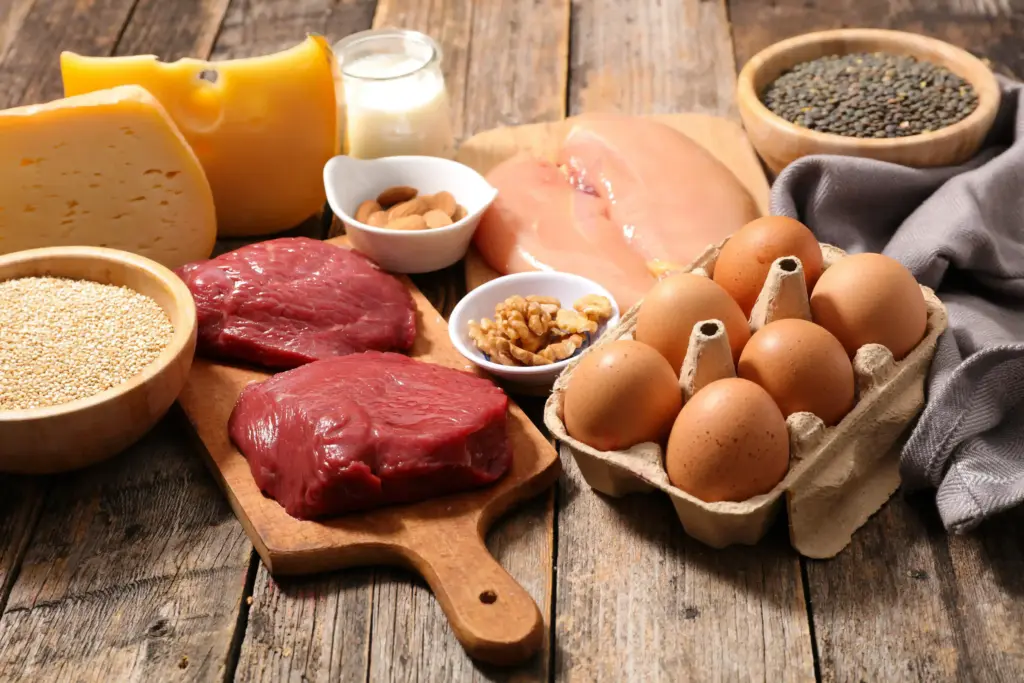
Building muscle on keto is possible, but protein intake may need to sit toward the higher end of the recommended range. Aim closer to 1 gram per pound of lean body mass if your goal is muscle growth. You must also ensure calorie intake is adequate. Keto does not automatically mean low calorie. To build muscle, your body needs energy and consistent resistance training. Keep carbohydrates low enough to stay in ketosis, but do not fear proper protein intake if performance and muscle development are your priorities.
Keto Protein for Women
Women often under eat protein when starting keto. Fear of gaining weight from protein can lead to intake that is too low. This may slow fat loss and disrupt hormonal balance. A good starting point for women is 0.7 to 0.9 grams per pound of lean body mass. Active women may need slightly more.
Protein also helps reduce cravings and supports stable energy levels, which can be especially helpful during menstrual cycle fluctuations.
Signs Your Protein Intake Is Right
You are likely eating the right amount of protein if you feel satisfied after meals, maintain strength during workouts, and continue losing body fat steadily. Your hair, skin, and nails should remain healthy. Recovery from exercise should feel consistent rather than delayed. If hunger feels extreme or progress stalls despite proper carb control, adjusting protein may help.
Common Myths About Protein on Keto
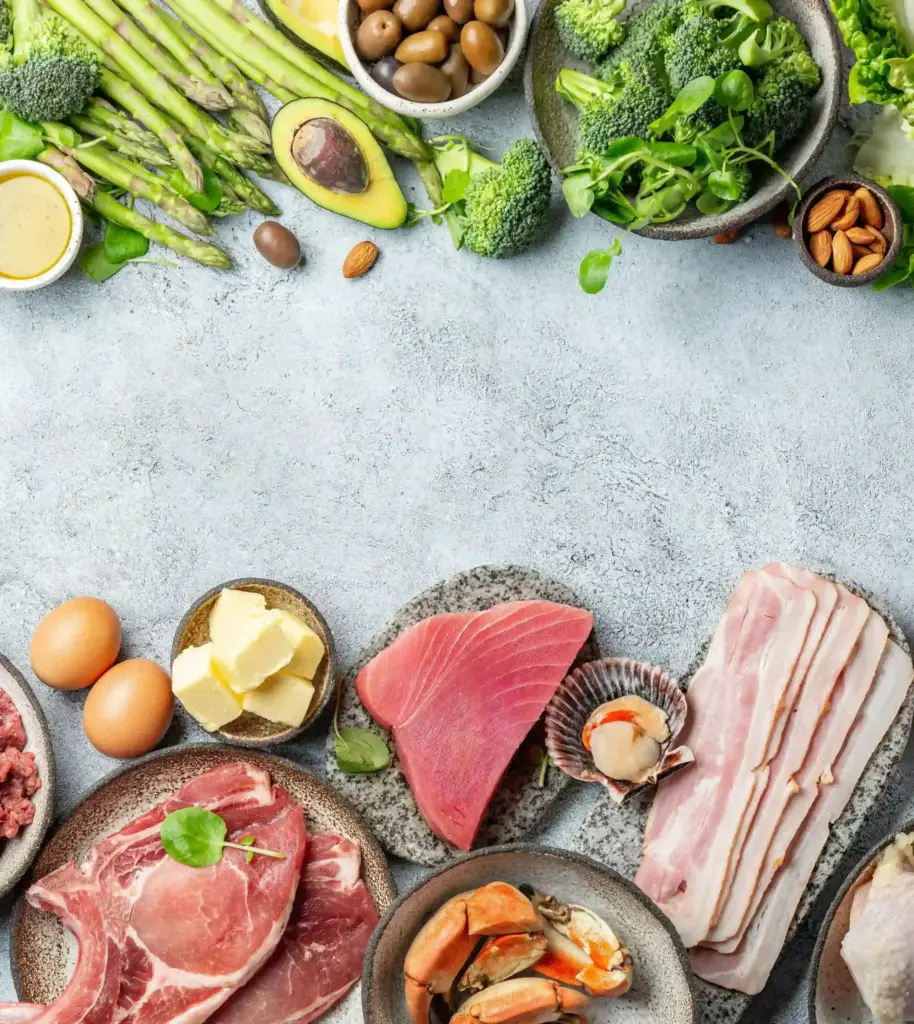
One common myth is that keto requires unlimited fat and minimal protein. In reality, protein is not the enemy. It is essential for preserving lean mass. Another myth is that eating more protein instantly converts to sugar and stops ketosis. The body regulates glucose production carefully and does not simply convert protein without demand. The real issue for most people is not too much protein. It is inconsistent tracking and hidden carbohydrates.
Putting It All Together
So how much protein keto diet plans require depends on your size, activity level, and goals. Most people thrive between 0.6 and 1.0 grams per pound of lean body mass. That usually translates to 90 to 140 grams per day for many adults. The key is balance. Too little protein can slow metabolism and cause muscle loss. Excessive protein may reduce ketone production for some, but moderate intake supports fat loss and long term results.
If you want a structured approach that removes guesswork, following a proven system like the Best Body Keto + Fat Loss Program can simplify your macro planning and help you stay consistent. Keto works best when protein supports your muscle, fat fuels your energy, and carbohydrates stay controlled. Master that balance, and your body becomes highly efficient at burning fat.
Instead of fearing protein, learn to measure it correctly. When properly calculated, protein becomes one of your strongest tools for preserving lean muscle and accelerating fat loss on keto.