
High blood pressure affects millions of adults and is often called a silent condition because it can develop without obvious symptoms. While medication is sometimes necessary, many people look for natural ways to support healthier blood pressure levels alongside lifestyle changes. This has led to growing interest in breathing techniques, especially among those seeking non invasive tools they can use daily. A structured breathing exercise to lower blood pressure can help calm the nervous system, improve oxygen efficiency, and reduce stress related spikes in blood pressure when practiced consistently.
Connection Between Breathing and Blood Pressure
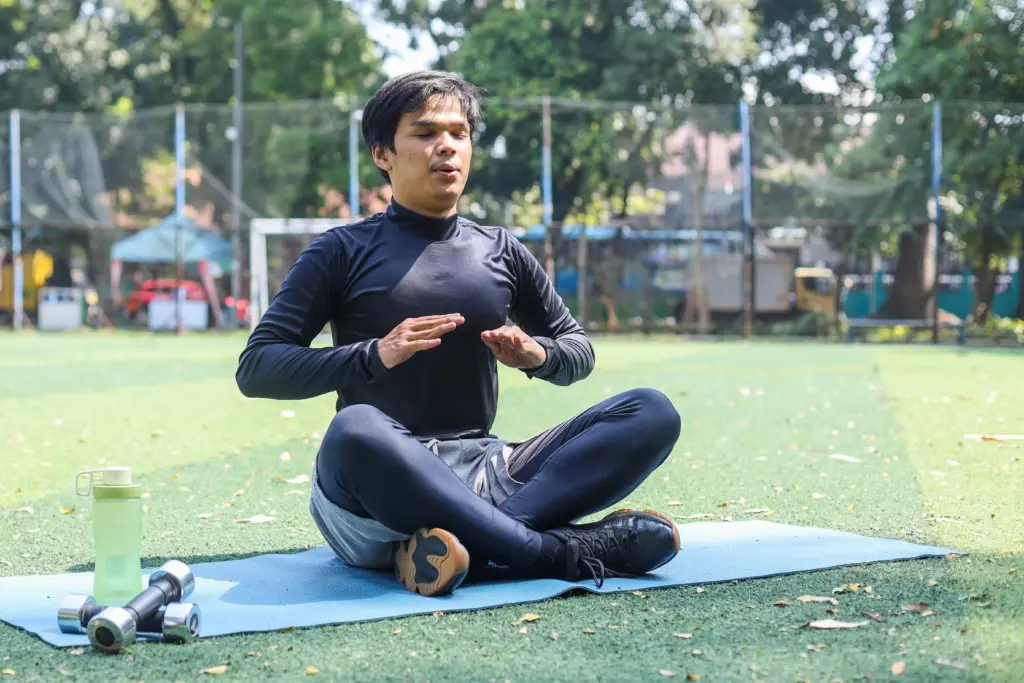
To understand how a breathing exercise to lower blood pressure works, it is important to look at the relationship between breathing patterns and the autonomic nervous system. Shallow, rapid breathing often keeps the body in a heightened state of alert, increasing heart rate and constricting blood vessels. Slow and controlled breathing activates the parasympathetic nervous system, which signals the body to relax and allows blood vessels to widen. According to the American Heart Association, relaxation based breathing techniques can help reduce stress related blood pressure elevation by improving heart rate variability and reducing vascular tension.
Why Stress Plays a Major Role in Elevated Blood Pressure
Chronic stress is one of the most overlooked contributors to high blood pressure, as it keeps cortisol and adrenaline levels elevated throughout the day. When the body remains in this state, blood vessels stay constricted and the heart works harder than necessary. Breathing exercises directly counter this response by lowering stress hormone output and slowing the heart rate. Research cited by the National Institutes of Health shows that controlled breathing practices can reduce systolic and diastolic blood pressure over time, especially when paired with regular physical activity and improved sleep habits.
How Controlled Breathing Affects the Cardiovascular System
A proper breathing exercise to lower blood pressure improves oxygen exchange and reduces the workload placed on the heart. Slow nasal breathing encourages better diaphragm engagement, which enhances circulation and improves venous return to the heart. This efficiency allows the cardiovascular system to operate with less strain. Over time, consistent practice may contribute to improved arterial flexibility, which plays a key role in maintaining healthy blood pressure levels as the body ages.
The Importance of Breathing Through the Diaphragm
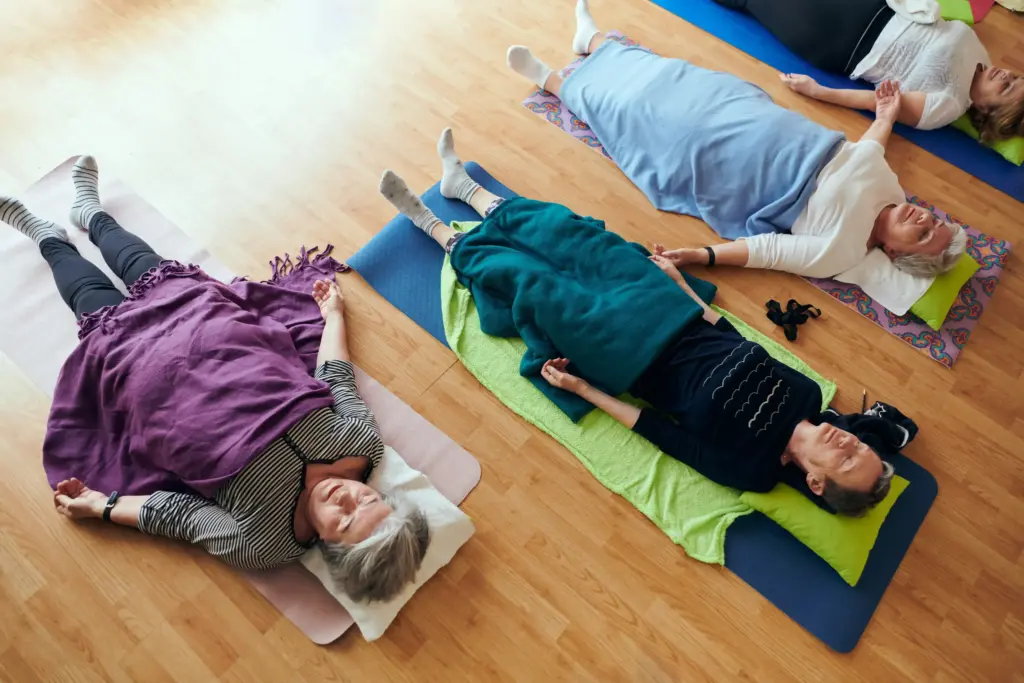
Many adults breathe primarily through the chest, which limits oxygen intake and reinforces stress patterns. Diaphragmatic breathing, often taught in yoga and mindfulness practices, allows the lungs to fully expand while keeping the upper body relaxed. This breathing style sends calming signals to the brain and helps reduce tension in the neck, shoulders, and chest. The Harvard Health Publishing explains that diaphragmatic breathing improves nervous system balance and can play a supportive role in managing hypertension when practiced daily.
Consistency Matters More Than Duration
One of the most common mistakes people make when trying a breathing exercise to lower blood pressure is treating it as an occasional fix rather than a daily habit. Even short sessions of slow breathing practiced consistently can be effective over time. The body responds to repetition by adapting its baseline stress response, which means the calming effects of breathing can carry into daily life. This consistency helps prevent sudden spikes in blood pressure during stressful moments rather than only addressing them after they occur.
Breathing Exercises and Sleep Quality
Poor sleep quality and high blood pressure often go hand in hand, as inadequate rest keeps stress hormones elevated and disrupts cardiovascular recovery. Breathing exercises performed before bed can improve sleep onset and deepen relaxation, allowing the heart and blood vessels to recover overnight. According to the Cleveland Clinic, relaxation techniques such as slow breathing can improve sleep efficiency, which indirectly supports healthier blood pressure regulation over time.
Combining Breathing With Gentle Movement
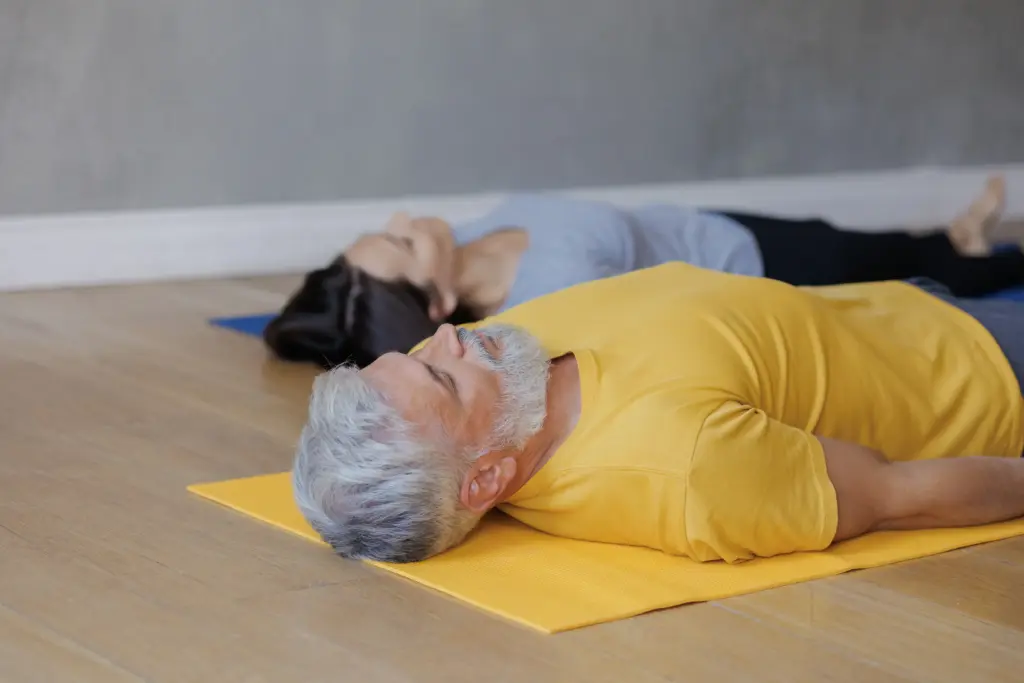
Breathing exercises become even more effective when paired with light movement such as walking, stretching, or yoga. Gentle activity improves circulation while breathing regulates the nervous system, creating a combined effect that supports heart health. Movement also helps reduce stiffness and improves insulin sensitivity, both of which influence blood pressure. This combined approach is often more sustainable than focusing on a single method in isolation.
Why Lifestyle Habits Influence Breathing Effectiveness
Diet, hydration, posture, and daily activity levels all affect how well breathing exercises work. Excess sodium intake, dehydration, and prolonged sitting can increase vascular resistance, making it harder for breathing alone to produce noticeable results. The U.S. Food and Drug Administration emphasizes balanced nutrition and healthy lifestyle habits as foundational elements of blood pressure management. Breathing exercises work best when supported by these habits rather than used as a standalone solution.
Breathing Exercises as a Long Term Strategy
While breathing exercises are not a replacement for prescribed medication, they can be a valuable long term strategy for individuals managing mild to moderate blood pressure concerns. Over time, improved breathing patterns help reset the nervous system and reduce the frequency of stress induced spikes. This makes breathing a practical daily tool that can be used anywhere without equipment or cost.

Supporting Blood Pressure With Structured Wellness Programs
For individuals looking to combine breathing techniques with structured movement and recovery, programs designed around sustainable health habits can be helpful. At FitEnomics, both the Best Body For Women Program and the Best Body For Men Program emphasize balanced training, stress management, and recovery strategies that complement breathing exercises. These programs focus on long term health rather than short term fixes.
Conclusion
A consistent breathing exercise to lower blood pressure can be a powerful addition to a healthy lifestyle. By calming the nervous system, improving oxygen efficiency, and reducing stress, controlled breathing supports cardiovascular health in a natural and accessible way. While results take time and consistency, breathing exercises help create a calmer baseline that allows the heart and blood vessels to function more efficiently. When combined with smart movement, proper nutrition, and structured wellness support, breathing becomes a simple yet effective tool for maintaining healthier blood pressure over the long term.