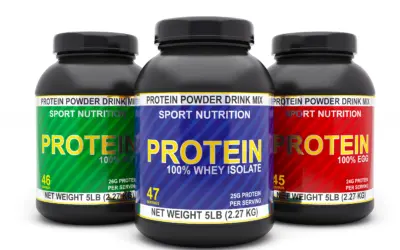
Protein supplements sit at the center of modern fitness culture. Walk into any gym or grocery store and you will see shelves filled with whey, plant protein, and ready to drink shakes. At the same time, many people hesitate to use them because they wonder, will protein supplements make you fat? The concern usually comes from the idea that drinking calories leads to weight gain or that extra protein somehow turns straight into body fat. In reality, protein supplements do not automatically cause fat gain. Your total calorie intake determines whether you gain or lose weight. When you understand how protein works inside your body and how energy balance drives fat storage, the confusion starts to disappear.
How the Body Gains Fat
Your body gains fat when you consistently eat more calories than you burn. This principle applies no matter where those calories come from. Every day, your body burns energy to support breathing, circulation, digestion, movement, and exercise. If you eat roughly the same number of calories that you burn, your weight stays stable. When you eat fewer calories than you burn, your body uses stored energy and you lose weight. When you eat more calories than your body needs, it stores the excess energy, mostly as body fat. Protein powder contains calories, usually between 100 and 150 per scoop. If you add shakes to your daily routine without adjusting your meals, those extra calories can create a surplus over time. That surplus, not the protein itself, leads to fat gain.
How Your Body Uses Protein
Your body treats protein very differently from carbohydrates and fat. After you consume protein, your digestive system breaks it down into amino acids. Your body then uses those amino acids to repair muscle tissue, support immune function, build enzymes, and maintain hormones. Because protein supports so many critical functions, your body prioritizes using it for repair and maintenance rather than storing it as fat. In addition, protein has a high thermic effect, which means your body burns more calories digesting it compared to carbs or fat. Protein also increases fullness and reduces hunger, which often leads to lower overall calorie intake. These factors make protein the least likely macronutrient to contribute to fat storage when eaten in appropriate amounts.
When Protein Supplements Can Contribute to Weight Gain
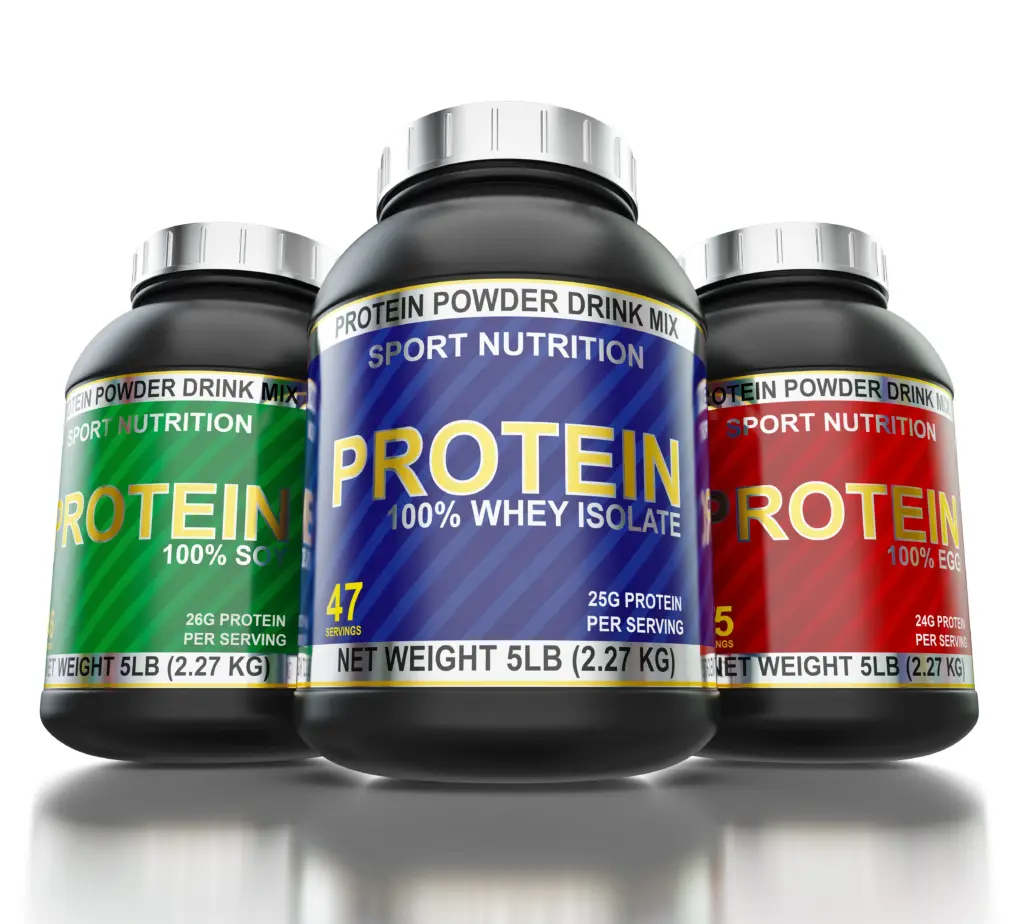
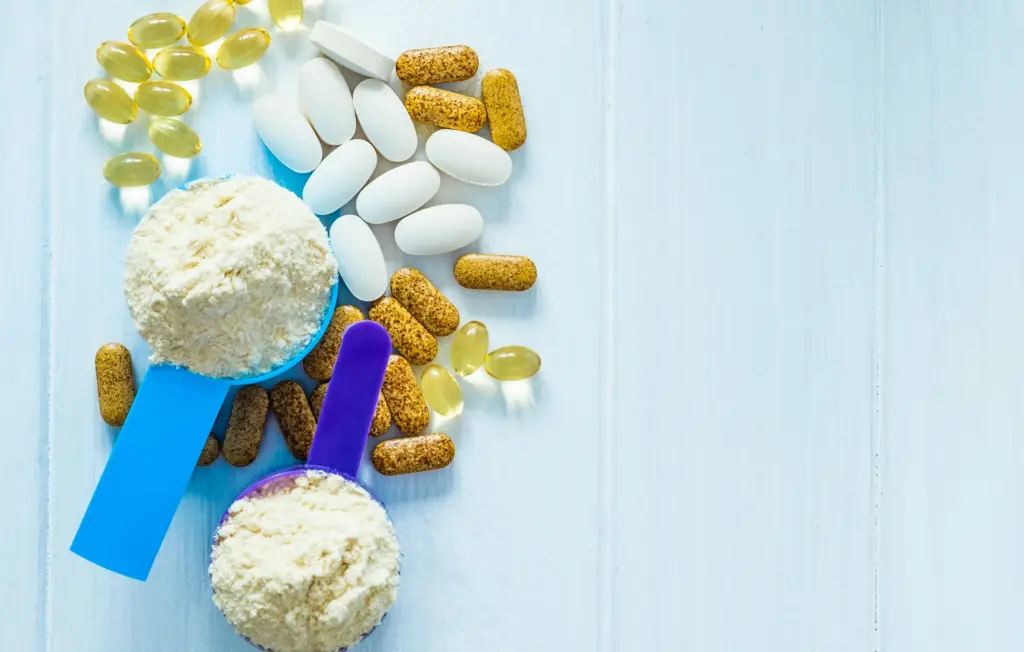
Although protein itself does not directly cause fat gain, certain habits around supplement use can increase your chances of gaining weight. Some products labeled as protein powders are actually mass gainers packed with carbohydrates, sugars, and hundreds of calories per serving. Companies design these products for people who struggle to gain weight and want to increase size quickly. If you use a mass gainer while trying to lose fat, you will likely see the scale move up. Another common mistake involves adding protein shakes on top of an already sufficient diet. If your meals already meet your calorie needs and you introduce extra shakes without removing anything else, you create a calorie surplus. Blending protein powder with high calorie ingredients such as sweetened milk, nut butters, syrups, or ice cream can also push calorie intake much higher than expected. In these situations, total energy intake drives weight gain, not the protein alone.
Protein Supplements and Fat Loss
Many people overlook the fact that protein supplements can actually support fat loss when used correctly. During a calorie deficit, your body does not only burn fat. Without adequate protein, it can also break down muscle tissue. When you maintain sufficient protein intake, you protect lean muscle while encouraging your body to use stored fat for energy. Higher protein intake also reduces hunger and improves satisfaction after meals. This makes it easier to stick to a structured eating plan without constant cravings. People who struggle to meet their daily protein target through whole foods often find that a simple shake helps them stay consistent. Programs like the FitEnomics Best Body Program emphasize balanced nutrition with adequate protein to support muscle retention and steady fat loss. In that setting, protein supplements serve as a practical tool rather than a risk factor.

How Much Protein Do You Need?
Your ideal protein intake depends on your body weight, activity level, and goal. Most adults aiming to lose fat or maintain muscle benefit from consuming about 0.7 to 1 gram of protein per pound of goal body weight. For example, if you aim to weigh 180 pounds, you might target between 125 and 180 grams of protein per day. Strength training increases your need for protein because your muscles require amino acids for recovery and growth. You can meet these needs through whole foods such as chicken, fish, eggs, lean beef, and Greek yogurt. If your schedule makes that difficult, protein supplements can help you close the gap. The key is to count those shakes as part of your daily intake rather than treating them as extra calories.
Using Protein Supplements the Right Way
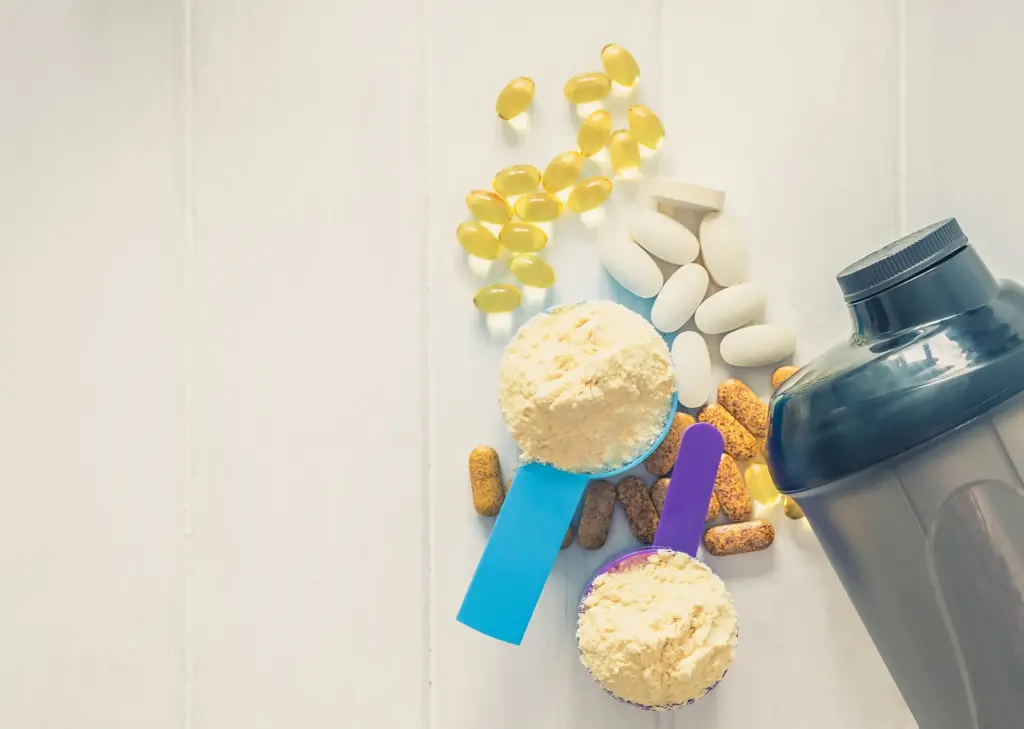
You can use protein supplements without gaining fat by focusing on calorie awareness and smart planning. Start by estimating how many calories your body needs to maintain or lose weight. Once you know that number, fit your protein shakes within that target instead of stacking them on top of your meals. Consider replacing a snack with a protein shake instead of adding one between already large meals. Choose products that contain minimal added sugars and moderate calories per serving. Pay attention to what you mix into your shake because added ingredients can double or triple the calorie count quickly. Track your progress over several weeks and adjust your portions if necessary. When you use protein supplements intentionally and align them with your energy needs, they support muscle maintenance and appetite control without causing fat gain.
So, will protein supplements make you fat? They will not cause fat gain on their own. Your body gains fat when you consistently consume more calories than you burn. If you control your total intake and use protein to support muscle and manage hunger, supplements can help improve your body composition. The scoop of protein powder does not determine your results. Your overall habits, calorie balance, and consistency shape your progress.