
Back pain affects millions of people each year and often interferes with work, sleep, and everyday movement. Many individuals search for natural ways to manage discomfort without relying solely on medication, which leads to a common question: will yoga help with back pain? Yoga has gained attention because it combines movement, breathing, and awareness in a way that supports both physical and mental health. While it is not a cure for every type of back pain, yoga can be an effective tool for improving mobility, reducing tension, and supporting long-term spinal health when practiced correctly and consistently.

Why Back Pain Is So Common
To understand will yoga help with back pain, it is important to recognize why back pain develops in the first place. In many cases, pain is not caused by a single injury but by long-term habits such as prolonged sitting, poor posture, limited movement, and muscular imbalances between the hips, core, and upper back. Tight hip flexors, weak glute muscles, and reduced spinal mobility place ongoing stress on the lower back, which can gradually lead to stiffness and discomfort. According to the Centers for Disease Control and Prevention, back pain is one of the leading causes of disability worldwide, and most cases are classified as non-specific, meaning they are related to movement patterns rather than structural damage.
How Yoga Supports Spinal Health
Yoga supports spinal health by gently moving the spine through controlled ranges of motion while strengthening the muscles that stabilize it. Many yoga poses involve slow spinal flexion, extension, and rotation, which help maintain joint mobility and promote circulation to the surrounding tissues. This type of movement encourages the discs of the spine to stay hydrated and resilient while reducing stiffness that builds up from inactivity. Research referenced by the National Institutes of Health shows that yoga can improve functional movement and reduce pain intensity in individuals with chronic lower back pain by restoring balanced movement patterns rather than forcing aggressive stretching.
The Role of Breathing and the Nervous System
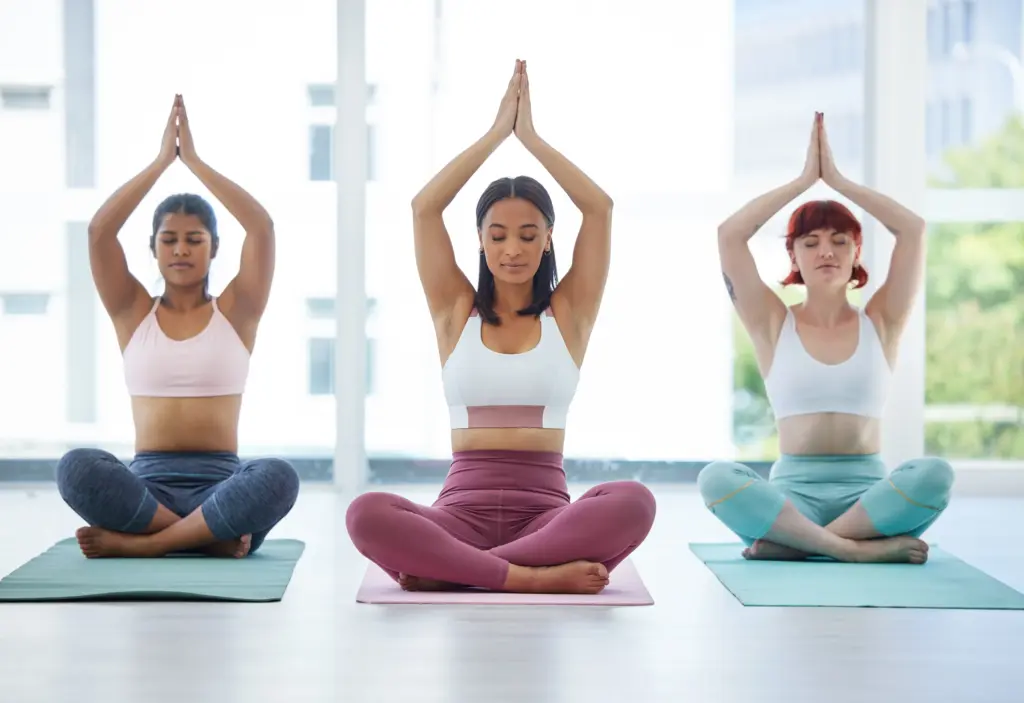
One reason people experience ongoing back pain is increased tension driven by stress and nervous system overload. Yoga places strong emphasis on slow, controlled breathing, which activates the parasympathetic nervous system and helps the body shift into a calmer state. This response reduces muscle guarding and lowers pain sensitivity, allowing tight areas to relax more effectively. Controlled breathing also improves coordination between the diaphragm and deep core muscles, which play a critical role in stabilizing the spine during daily activities. According to Harvard Health Publishing, mind body practices such as yoga can reduce chronic pain by calming stress pathways that amplify discomfort.
Which Types of Back Pain Respond Best to Yoga
Yoga tends to be most effective for posture-related and muscle-based back pain rather than pain caused by acute injury or serious spinal conditions. Individuals who experience stiffness from sitting, mild lower back soreness, or recurring tension often respond well to consistent yoga practice because it addresses the root cause rather than masking symptoms. Gentle movement improves circulation, reduces muscle tightness, and retrains posture over time. However, the Mayo Clinic advises that people with severe pain, nerve symptoms, or diagnosed spinal conditions should consult a healthcare professional before beginning yoga to ensure movements are appropriate and safe.
Why Consistency Matters More Than Intensity
Many people assume yoga must be intense or advanced to produce results, but the opposite is often true when managing back pain. Short, consistent sessions focused on controlled movement and awareness are far more effective than occasional strenuous classes. The body adapts gradually, and regular exposure to safe movement patterns helps reduce stiffness and improve coordination. When asking will yoga help with back pain, the most accurate answer includes consistency as the deciding factor, since lasting improvement comes from repeated, mindful practice rather than isolated effort.
Yoga and Core Stability
Another reason yoga can relieve back pain is its ability to strengthen the deep core muscles that support the spine. Many poses require controlled engagement of the abdominal muscles, pelvic floor, and lower back stabilizers without placing excessive load on the spine. This type of strength improves balance and reduces compensatory movement patterns that often lead to discomfort. The Cleveland Clinic highlights that weak core support increases strain on the lower back during everyday tasks, and yoga helps address this issue by developing strength through controlled bodyweight movement.
Posture Awareness That Extends Beyond Practice
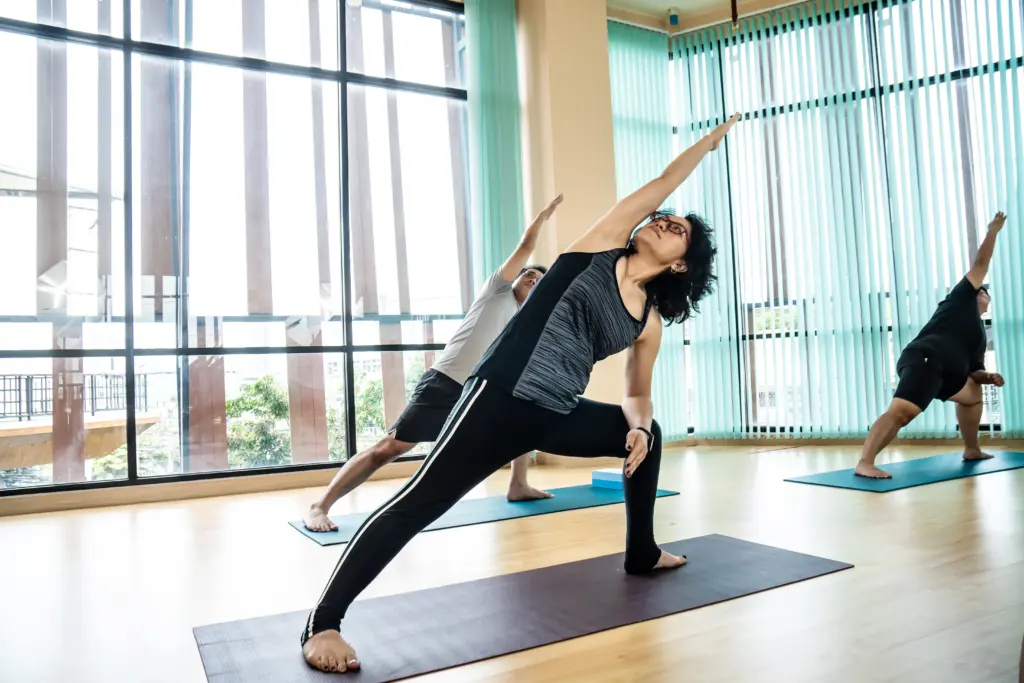
Yoga trains awareness of posture and movement that carries over into daily life, which is essential for long-term back health. Many individuals become more aware of how they sit, stand, and walk after practicing yoga regularly. This awareness helps identify habits that contribute to pain, such as slouching, uneven weight distribution, or shallow breathing. Over time, these small corrections reduce constant strain on the spine and support healthier movement patterns throughout the day.
How Long It Takes to Notice Improvement
The timeline for improvement varies depending on the individual and the nature of the pain. Some people notice reduced stiffness and improved mobility within a few sessions, while others require several weeks of consistent practice. The most meaningful sign of progress is often improved ease of movement rather than complete elimination of discomfort. Information supported by the U.S. Food and Drug Administration emphasizes that movement-based approaches tend to deliver gradual but lasting results when practiced safely and consistently.
Yoga as Part of a Complete Wellness Approach
While yoga can play a significant role in managing back pain, it works best when combined with other healthy habits such as proper sleep, balanced nutrition, regular walking, and light strength training. Yoga improves mobility and recovery, while strength training builds resilience and daily movement maintains circulation. Together, these elements create an environment where the spine is supported rather than stressed, leading to more sustainable relief.

Conclusion
So, will yoga help with back pain? For many people, the answer is yes. Yoga can improve spinal mobility, strengthen supportive muscles, calm the nervous system, and increase awareness of posture and movement. It is most effective for non-specific and posture-related back pain and delivers the best results when practiced consistently and thoughtfully. At FitEnomics, we believe in sustainable movement that supports long-term health. When yoga is combined with smart training and daily habits, it becomes a powerful tool for reducing discomfort and improving quality of life.