
Many people focus heavily on workouts when trying to gain muscle, but nutrition often determines whether those workouts actually produce results. Muscle building foods provide the nutrients that repair muscle fibers after training and support the growth of stronger tissue over time. In simple terms, muscle building foods include protein rich foods, complex carbohydrates, and healthy fats that help the body recover and grow. However, the concept is more complex than simply eating more protein. The body requires a balanced intake of nutrients to fuel workouts, repair muscle damage, and maintain overall health. When individuals understand what are muscle building foods and how these foods support recovery and performance, they can design a nutrition strategy that complements their training program. Learning how to choose the right foods can make a noticeable difference in strength gains, workout performance, and long term muscle development.

The Role of Nutrition in Muscle Growth
Muscle growth occurs when resistance training creates stress within muscle fibers and the body repairs that tissue during recovery. Nutrition provides the materials needed for this repair process. Without proper nutrition, the body may struggle to rebuild muscle tissue effectively. Protein supplies amino acids that act as building blocks for muscle fibers. Carbohydrates provide energy that fuels workouts and replenishes glycogen stored in muscles. Healthy fats support hormone production and overall metabolic health. Vitamins and minerals also contribute to many biological processes that influence muscle recovery and performance. When individuals combine balanced nutrition with consistent resistance training, they create an environment that allows muscles to grow stronger over time. Understanding what are muscle building foods helps individuals focus on the nutrients that support these biological processes.
Protein Rich Foods That Support Muscle Development
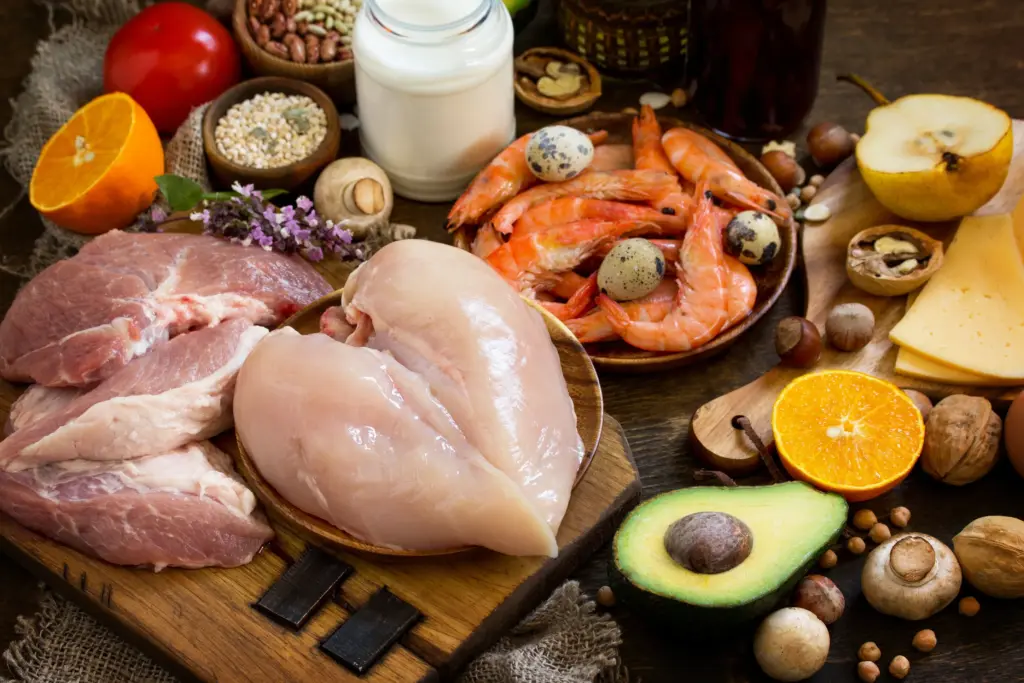
Protein often receives the most attention in muscle building diets because it directly supports muscle repair and growth. High quality protein foods contain essential amino acids that the body cannot produce on its own. These amino acids must come from the diet. Foods such as eggs, chicken, fish, lean beef, and dairy products provide complete proteins that the body can absorb efficiently. Plant based options such as lentils, tofu, beans, and quinoa also contribute valuable protein to the diet. According to information from the U.S. Department of Agriculture, consuming a variety of protein foods helps ensure that the body receives all essential amino acids needed for health and muscle development. When individuals understand what are muscle building foods, they can incorporate protein sources into multiple meals throughout the day to support recovery after workouts.
Complex Carbohydrates for Training Energy
While protein helps repair muscles, carbohydrates provide the energy needed to perform challenging workouts. Resistance training and high intensity exercise rely heavily on glycogen stored within muscle tissue. Glycogen comes from carbohydrates consumed in the diet. When individuals consume complex carbohydrates such as oats, brown rice, whole grains, potatoes, and fruits, the body converts these foods into glucose and stores it as glycogen. During workouts, muscles use glycogen as a fuel source. Without adequate carbohydrate intake, individuals may feel fatigued and struggle to maintain training intensity. This reduced performance can limit muscle growth over time. Understanding what are muscle building foods requires recognizing that carbohydrates play an essential role in fueling workouts and supporting recovery.
Healthy Fats and Hormonal Support
Healthy fats contribute to muscle building by supporting hormone production and overall metabolic function. Hormones such as testosterone play a role in muscle growth and strength development. The body requires dietary fats to produce these hormones. Foods such as avocados, nuts, seeds, olive oil, and fatty fish provide healthy fats that support these processes. In addition to hormone production, fats also help the body absorb fat soluble vitamins such as vitamins A, D, E, and K. These vitamins contribute to immune health, bone strength, and recovery from exercise. Individuals who understand what are muscle building foods often include moderate amounts of healthy fats in their diet to support balanced nutrition.

The Importance of Micronutrients
Micronutrients may not receive as much attention as protein or carbohydrates, but they play an important role in muscle recovery and performance. Vitamins and minerals support enzyme activity, oxygen transport, and muscle contraction. Nutrients such as magnesium, potassium, and iron contribute to muscle function and endurance. Fruits and vegetables provide many of these micronutrients while also supplying antioxidants that help reduce inflammation caused by intense exercise. A balanced diet that includes colorful fruits and vegetables ensures that the body receives a wide range of vitamins and minerals necessary for recovery and overall health.
Hydration and Muscle Performance
Hydration plays a major role in muscle function and recovery. Water supports nutrient transport throughout the body and helps regulate body temperature during exercise. Dehydration can reduce strength, endurance, and overall workout performance. When individuals maintain proper hydration, muscles function more efficiently and recover more effectively after training sessions. Drinking water consistently throughout the day supports muscle contraction, joint health, and circulation. Although hydration may not always appear in lists of muscle building foods, it remains an essential part of the overall nutrition strategy.
Creating Balanced Meals for Muscle Growth
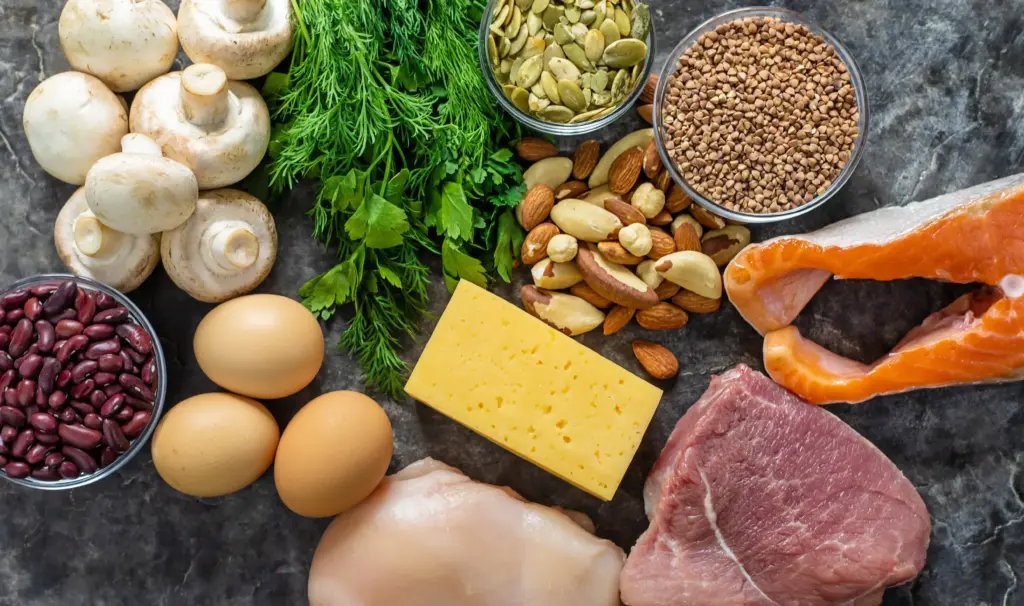
Balanced meals combine protein, carbohydrates, and healthy fats in proportions that support training and recovery. For example, a meal containing grilled chicken, brown rice, and vegetables provides protein for muscle repair, carbohydrates for energy, and vitamins for overall health. Snacks such as yogurt with fruit or nuts can provide additional nutrients between meals. When individuals plan balanced meals throughout the day, they create a consistent supply of nutrients that support muscle development. Understanding what are muscle building foods helps individuals make smarter food choices that align with their training goals.
Structured Training and Nutrition Together
Nutrition supports muscle growth, but training provides the stimulus that triggers that growth. Strength training exercises challenge muscle fibers and create the conditions that require repair and adaptation. Combining proper nutrition with structured training helps individuals achieve consistent results. At FitEnomics, structured programs such as the Best Body For Women Program and the Best Body For Men Program guide individuals through organized workouts designed to support muscle growth and overall fitness. These programs help individuals align their training routines with nutrition strategies that promote recovery and strength development.

Conclusion
Understanding what are muscle building foods allows individuals to support their training with proper nutrition. Protein rich foods supply the amino acids needed to repair muscle tissue. Complex carbohydrates provide the energy required for challenging workouts. Healthy fats support hormone production and overall health. Vitamins, minerals, and hydration contribute to recovery and performance. When individuals combine these nutritional elements with consistent strength training, they create an environment that allows muscles to grow stronger over time. Instead of focusing on a single food or nutrient, building muscle requires a balanced diet that supports both training performance and recovery.