People who want to improve heart health often ask the same question: is keto diet good for high cholesterol? The ketogenic diet focuses on extremely low carbohydrate intake while increasing the amount of fat consumed each day. Because this eating pattern includes more fat than most traditional diets, many people worry that it might raise cholesterol levels and increase the risk of heart disease. The truth is more complex. Some individuals experience improvements in their cholesterol profile while following a ketogenic diet, especially when they lose weight and reduce refined carbohydrates. Others may see increases in LDL cholesterol depending on their genetics, overall health, and the type of fats they consume. The quality of foods within the diet plays an important role in determining these results. Diets that rely on whole foods and healthier fats may produce different outcomes compared with diets built around processed meats and saturated fats. Understanding how cholesterol works and how ketogenic nutrition affects metabolism can help individuals decide whether this dietary approach supports their long term health goals.
Understanding Cholesterol and Why It Matters
Cholesterol is a wax like substance that plays an important role in many essential functions within the human body. The liver produces most of the cholesterol required for these functions, while additional cholesterol comes from food sources. Cholesterol helps build cell membranes and supports hormone production, vitamin D synthesis, and digestive processes. Blood tests typically measure several types of cholesterol markers. Low density lipoprotein cholesterol, often called LDL cholesterol, can contribute to plaque buildup inside arteries when levels remain high for long periods. High density lipoprotein cholesterol, commonly known as HDL cholesterol, helps transport excess cholesterol away from the bloodstream and back to the liver for removal. Another important measurement is triglycerides, which represent fats circulating in the blood that store energy for later use. Maintaining balanced levels of these markers supports healthy circulation and cardiovascular function. According to the National Heart, Lung, and Blood Institute, lifestyle choices such as diet, physical activity, and body weight strongly influence cholesterol levels.
How the Keto Diet Changes Metabolism
The ketogenic diet dramatically alters the body’s primary source of energy. Normally the body relies on carbohydrates to produce glucose, which fuels cells throughout the body. When carbohydrate intake becomes very low, the body enters a metabolic state known as ketosis. During ketosis the liver produces molecules called ketones from stored fat. These ketones provide an alternative energy source for many tissues, including the brain. This metabolic shift encourages the body to burn fat more efficiently for fuel. Many individuals adopt ketogenic diets because they want to lose weight or improve blood sugar control. Reduced carbohydrate intake can also lower insulin levels and promote fat metabolism. These metabolic changes may influence cholesterol markers in several ways. Some people experience reductions in triglycerides and increases in HDL cholesterol while following ketogenic diets. However, the response can vary depending on how the diet is structured and which foods are included.

The Types of Fats Used in Keto Diets
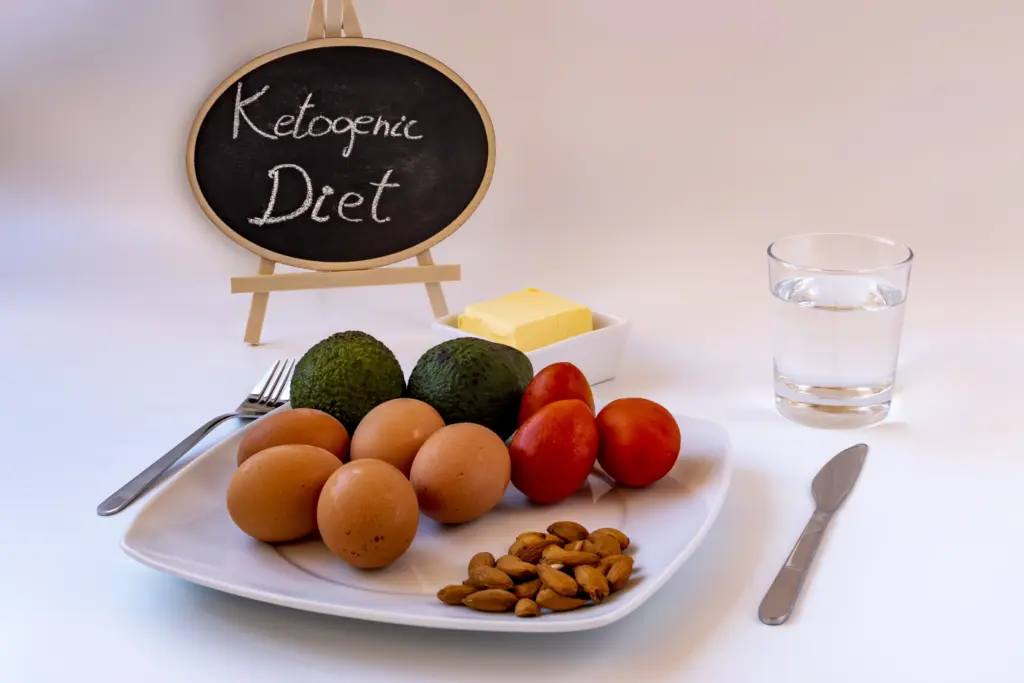
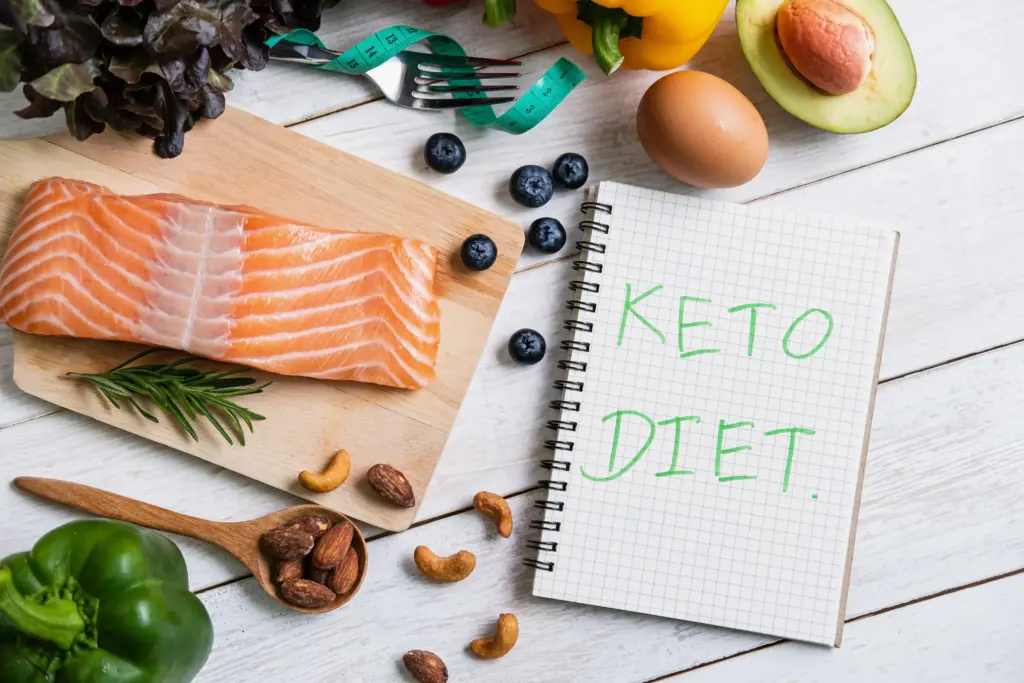
The types of fats included in a ketogenic diet significantly influence its impact on cholesterol levels. Not all dietary fats affect the body in the same way. Unsaturated fats often support healthier cholesterol profiles. These fats appear in foods such as olive oil, avocados, nuts, seeds, and fatty fish like salmon or mackerel. These foods provide nutrients that may support heart health while fitting within ketogenic carbohydrate limits. Saturated fats appear in foods such as fatty cuts of meat, butter, and certain dairy products. While moderate amounts of these foods may fit within a balanced diet, excessive consumption may raise LDL cholesterol levels in some individuals. A ketogenic diet that emphasizes whole foods and unsaturated fats may lead to different outcomes than a diet dominated by processed meats and saturated fats. Because keto allows flexibility in food selection, the nutritional quality of foods chosen can strongly influence health results.
What Research Says About Keto and Cholesterol
Research examining ketogenic diets and cholesterol levels continues to grow as the diet becomes more popular. Some studies suggest that low carbohydrate diets can reduce triglyceride levels and increase HDL cholesterol. These changes often occur when individuals lose weight and improve metabolic health. At the same time, researchers have observed increases in LDL cholesterol in certain people following ketogenic diets. Scientists believe genetic factors and individual metabolic responses may explain these differences. The overall composition of the diet also matters. Diets that emphasize healthier fats and whole foods may produce more favorable cholesterol results than diets containing large amounts of saturated fat and processed foods. Because results vary between individuals, healthcare professionals often recommend monitoring cholesterol levels when someone begins a ketogenic diet.

Weight Loss and Its Influence on Cholesterol
Weight loss itself can influence cholesterol levels regardless of which diet someone follows. Many individuals who adopt ketogenic diets experience weight reduction because the diet limits carbohydrates and promotes fat metabolism. As body weight decreases, triglyceride levels often decline and HDL cholesterol may increase. These improvements can support metabolic health and reduce risk factors associated with cardiovascular disease. However, weight loss does not always produce the same effect on LDL cholesterol. Some individuals experience stable LDL levels, while others see increases even while losing weight. This variation highlights the importance of monitoring blood lipid levels during major dietary changes. Weight loss may improve several markers of health, but cholesterol responses can differ depending on the individual.
The Role of Exercise in Managing Cholesterol
Diet is only one factor that influences cholesterol levels. Physical activity also plays a major role in maintaining heart health and supporting healthy blood lipid levels. Regular exercise can increase HDL cholesterol and improve circulation throughout the body. Activities such as walking, cycling, strength training, and other forms of movement strengthen the heart and support metabolic health. Exercise also helps regulate body weight and improve insulin sensitivity. These effects contribute to healthier cholesterol profiles over time. Individuals who combine balanced nutrition with consistent physical activity often experience greater improvements in cardiovascular health compared with those who rely on diet alone.
Conclusion
So is keto diet good for high cholesterol? The answer depends on individual health conditions, food choices, and overall lifestyle habits. Some people experience improvements in triglycerides and HDL cholesterol while following ketogenic diets, especially when they lose weight and reduce refined carbohydrates. Others may see increases in LDL cholesterol depending on genetics and dietary fat sources. Monitoring cholesterol levels and choosing nutrient dense foods can help individuals manage these potential changes. Combining dietary strategies with regular physical activity often produces the best results for cardiovascular health. Structured nutrition and training approaches such as the Best Body Keto Program from FitEnomics provide guidance for individuals who want to follow ketogenic nutrition while maintaining balanced health habits.