Many people who start strength training quickly hear that protein plays a major role in muscle growth. The common recommendation often mentioned in fitness circles is that individuals who want to build muscle should consume roughly 0.7 to 1 gram of protein per pound of body weight each day. While this number offers a useful guideline, the real answer to the question “how much protein muscle building actually requires” depends on several factors such as training intensity, body weight, activity level, and overall diet. Protein supports muscle repair, recovery, and growth, but simply increasing protein intake without understanding how the body uses it may not produce the results people expect. Muscle growth occurs through a combination of resistance training, proper nutrition, and recovery. When individuals understand how much protein muscle building requires and how to distribute protein intake throughout the day, they can create a nutrition strategy that supports stronger workouts and long term muscle development.

Why Protein Is Essential for Muscle Growth
Protein plays a critical role in the process of muscle repair and development. During resistance training exercises such as squats, presses, or rows, muscle fibers experience small amounts of stress. This stress creates microscopic damage within the fibers. The body responds by repairing those fibers and reinforcing them so they become stronger and slightly larger. Protein provides the amino acids required for this repair process. Amino acids act as building blocks that help rebuild muscle tissue after workouts. Without enough protein, the body may struggle to repair muscles effectively, which can slow recovery and limit muscle growth. This is why athletes and strength trainers often pay close attention to their daily protein intake. When individuals combine proper training with adequate protein consumption, the body receives the nutrients needed to support muscle development and strength gains.
How Much Protein Muscle Building Actually Requires
When people ask how much protein muscle building requires, most research points to a moderate range that supports muscle repair and growth. Studies suggest that individuals who participate in regular resistance training benefit from consuming between 1.6 and 2.2 grams of protein per kilogram of body weight each day. This amount supports muscle protein synthesis, which is the process through which the body builds new muscle tissue. Consuming protein within this range ensures that the body has enough amino acids available to repair muscles after exercise. According to research summarized by the National Institutes of Health, protein requirements increase when physical activity and strength training become more intense. This means individuals who train regularly may require more protein than people who live sedentary lifestyles. Understanding how much protein muscle building requires helps individuals avoid both inadequate intake and unnecessary excess.

The Importance of Protein Timing
Daily protein intake matters most, but timing can also influence muscle recovery and growth. When individuals spread protein intake evenly throughout the day, they provide the body with a consistent supply of amino acids. Many nutrition experts recommend consuming protein in multiple meals rather than eating most of it at one time. This approach helps maintain muscle protein synthesis throughout the day. Consuming protein after workouts can also support recovery because muscles are more responsive to nutrients following exercise. While the exact timing window may not be as strict as once believed, including protein in meals surrounding workouts can support muscle repair and reduce soreness.
High Quality Protein Sources
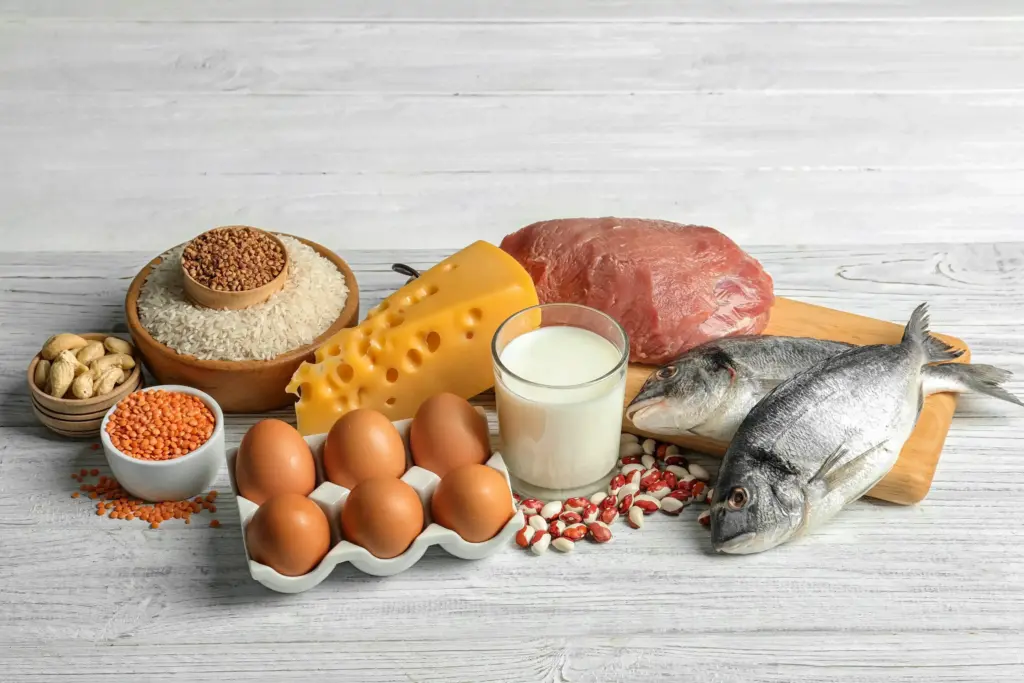
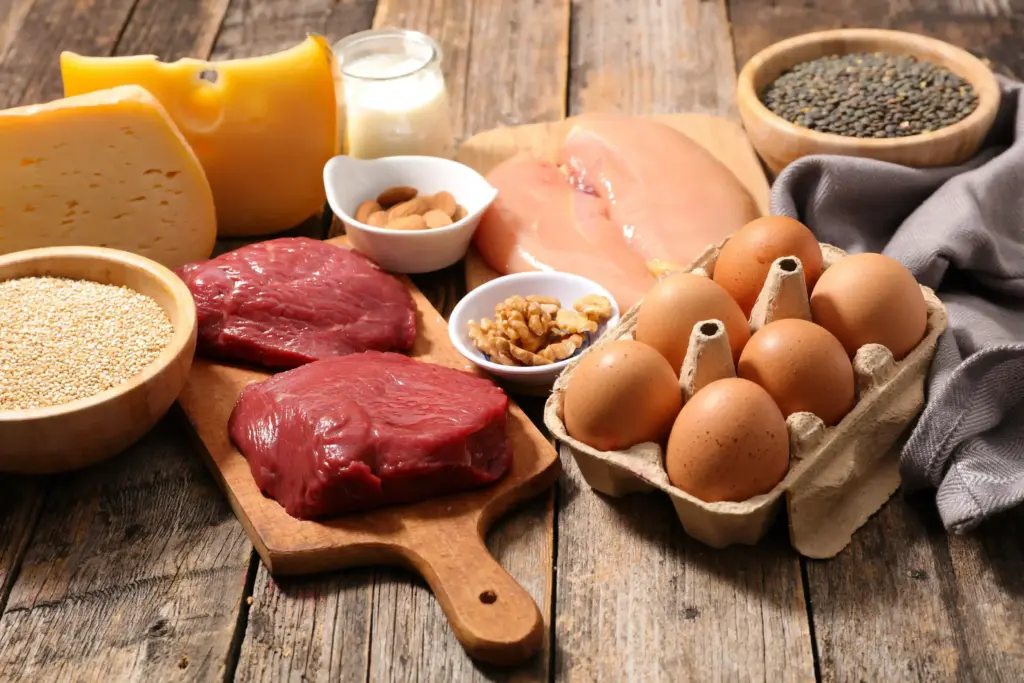
Not all protein sources provide the same nutritional value. High quality proteins contain all essential amino acids required for muscle repair and growth. These proteins are often referred to as complete proteins. Animal based sources such as eggs, chicken, fish, and dairy products provide high quality protein that the body can absorb efficiently. Plant based proteins such as beans, lentils, tofu, and quinoa can also contribute to muscle building when consumed in balanced combinations. Individuals who follow plant based diets may need to combine several protein sources to ensure they receive all essential amino acids. Choosing nutrient rich protein sources also supports overall health while promoting muscle development.
The Relationship Between Protein and Strength Training
Protein intake alone does not cause muscles to grow. Resistance training provides the stimulus that triggers muscle adaptation. When individuals challenge their muscles with progressively heavier resistance, the body responds by strengthening the muscle fibers involved in those movements. Protein then supports the repair process that follows training. Without resistance training, extra protein intake may simply be used for energy rather than muscle growth. This is why combining strength training with proper nutrition produces the best results. Understanding how much protein muscle building requires helps individuals match their nutrition strategy with their training goals.
Balancing Protein With Other Nutrients
While protein plays an important role in muscle development, other nutrients also support performance and recovery. Carbohydrates provide energy that fuels workouts and replenishes glycogen stores within muscles. Healthy fats support hormone production and overall metabolic health. Vitamins and minerals contribute to many biological processes that affect muscle function and recovery. When individuals focus only on protein intake and neglect other nutrients, their overall performance may suffer. A balanced diet that includes protein, carbohydrates, healthy fats, and micronutrients supports both training performance and muscle growth.
Following a Structured Training Program
Many people struggle to determine how much protein muscle building requires because they train without a structured plan. Training programs that combine progressive strength training with balanced nutrition strategies can help individuals stay consistent and track their progress over time. At FitEnomics, structured plans such as the Best Body For Women Program and the Best Body For Men Program provide organized training routines designed to support muscle growth and overall fitness. These programs guide individuals through balanced workouts while helping them understand how nutrition supports recovery and performance.
Conclusion
Understanding how much protein muscle building requires helps individuals create a nutrition plan that supports their training goals. Most people who participate in resistance training benefit from consuming between 1.6 and 2.2 grams of protein per kilogram of body weight each day. This range provides the amino acids necessary for muscle repair and growth. When individuals combine proper protein intake with consistent strength training, progressive overload, and adequate recovery, they create the ideal environment for muscle development. Rather than relying on guesswork, following evidence based guidelines for protein intake allows individuals to support stronger workouts and long term progress.