
Ashwagandha has become one of the most widely used herbal supplements for stress relief, hormone balance, improved sleep, and better recovery. As more people add it to their daily routine, a common and important question comes up: how much ashwagandha should I take? The correct dosage depends on several factors, including the type of supplement you are using, your health goals, your body weight, and your overall sensitivity to herbal compounds. Taking too little may not provide noticeable benefits, while taking too much can increase the risk of unwanted side effects. Understanding proper dosing, timing, and safety considerations allows you to use ashwagandha effectively and responsibly.

What Ashwagandha Does
Before deciding how much to take, it helps to understand how ashwagandha works. Ashwagandha is classified as an adaptogen. Adaptogens help the body respond more effectively to stress. When you experience stress, your body releases cortisol. Short term cortisol increases are normal and useful, but chronic stress can keep cortisol elevated for long periods. High cortisol levels may interfere with sleep, recovery, immune function, and hormone balance.
Ashwagandha supports regulation of the stress response system. Instead of acting like a stimulant or sedative, it promotes balance. Many people notice improved mood stability, better sleep quality, and steadier energy levels after consistent use. Because it works gradually, proper dosage and consistency matter more than taking large amounts at once.
Standard Daily Dosage Recommendations
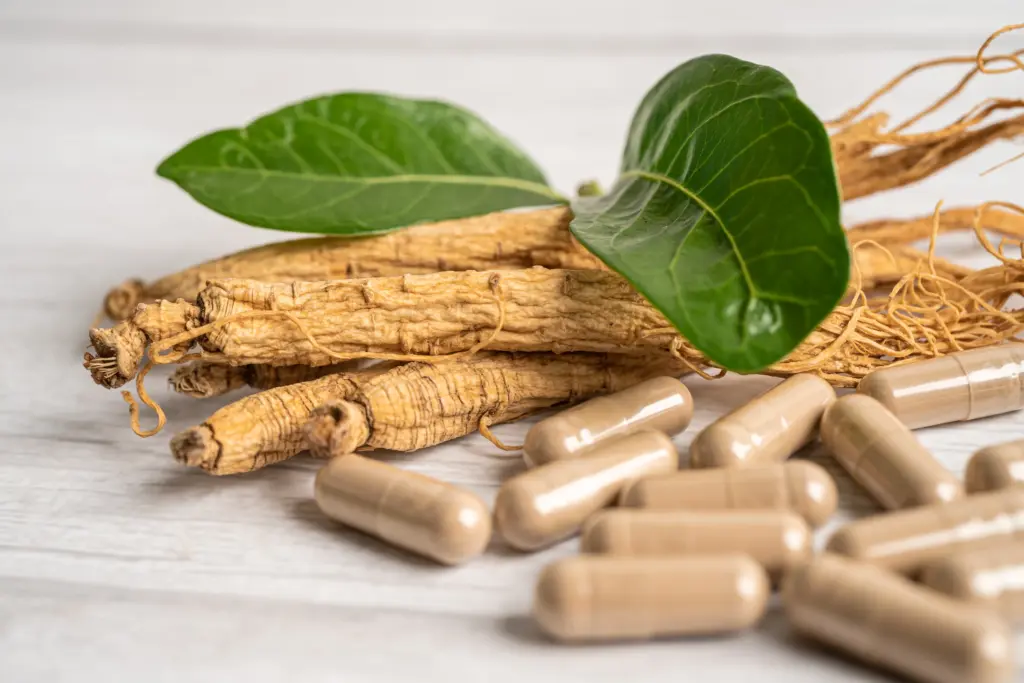
Most modern research focuses on standardized ashwagandha extracts rather than plain root powder. Standardized extracts contain measured amounts of active compounds known as withanolides. These compounds contribute to ashwagandha’s effectiveness. Because extracts are concentrated, they require smaller doses than raw powder.
For most healthy adults, the commonly recommended dosage ranges between 300 mg and 600 mg per day of a standardized extract. Many clinical studies examining stress reduction, improved sleep, testosterone support, and exercise performance use 600 mg daily, often divided into two doses of 300 mg.
If you are new to ashwagandha, starting with 300 mg per day is a smart approach. This allows your body to adjust while you monitor how you feel. After two to four weeks, you can decide whether increasing to 600 mg provides additional benefits.
Dosage Based on Your Specific Goal
Your reason for taking ashwagandha influences how much you should take.
For stress and anxiety management: 300 to 600 mg per day is typically effective. Individuals experiencing higher stress levels may benefit from closer to 600 mg daily.
For sleep improvement: Taking 300 to 600 mg in the evening may help promote relaxation and support better sleep quality over time. Ashwagandha does not act like a sleeping pill, but it can help regulate nighttime cortisol levels.
For athletic performance and muscle recovery: Research often uses 600 mg daily. Balanced cortisol levels can support strength gains and improved recovery when paired with consistent training.
For testosterone support in men: Studies commonly use 600 mg per day, combined with resistance training and proper nutrition.
For general wellness: 300 mg per day may serve as a maintenance dose.
Root Powder vs Standardized Extract
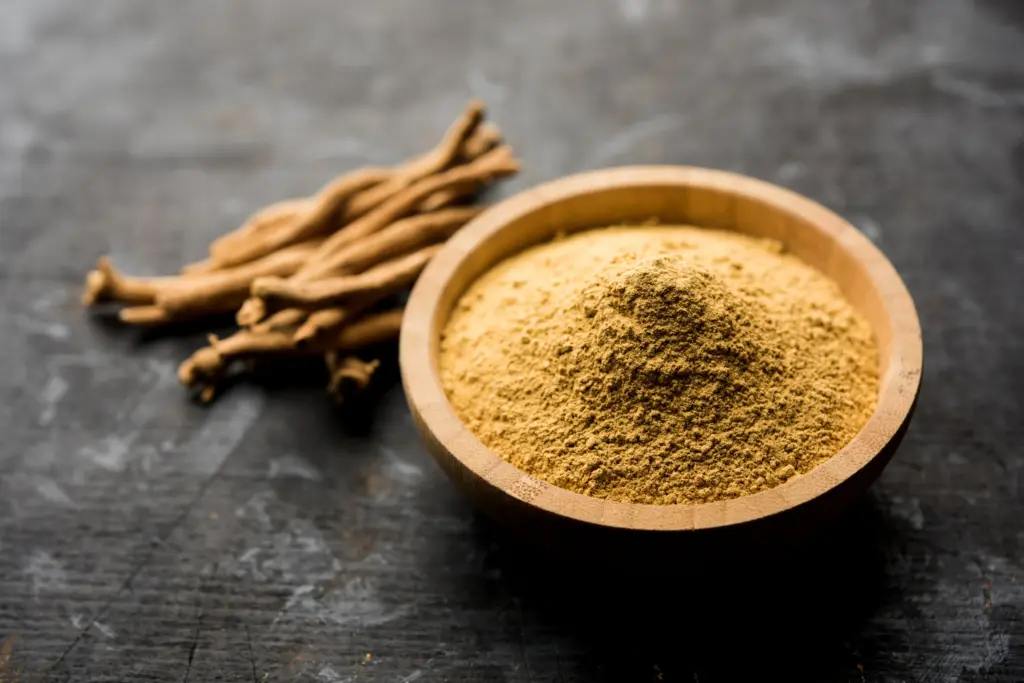
One major source of confusion when asking how much ashwagandha should I take comes from differences in product types. If your supplement contains plain root powder rather than extract, the dosage will likely be higher. Root powder typically requires between 1,000 mg and 2,000 mg per day to achieve similar effects as 300 to 600 mg of standardized extract.
Standardized extracts list the percentage of withanolides on the label. This provides consistency and clearer dosing guidelines. Always read your supplement label carefully. A 600 mg capsule of extract is not equivalent to 600 mg of root powder.
When Should You Take Ashwagandha?
The timing of your dosage depends on your goals and how your body responds. If you want help managing stress during the day, a morning dose may be helpful. If your goal focuses on sleep quality and relaxation, taking ashwagandha in the evening may feel more appropriate.
Some individuals split their daily dose, taking 300 mg in the morning and 300 mg at night. This approach may help maintain steady levels throughout the day. Consistency matters more than exact timing. Adaptogens work gradually, and noticeable improvements often appear after several weeks of regular use.
Can You Take Too Much Ashwagandha?
Although ashwagandha is generally well tolerated, more is not always better. High doses do not automatically produce stronger results. Excessive intake may cause digestive discomfort, nausea, loose stools, headache, or mild drowsiness. In rare cases, very high intake may influence thyroid hormone levels.
Staying within the 300 to 600 mg range of standardized extract keeps you aligned with most research and safety data. If you consider higher doses, consult a healthcare professional first.

Who Should Use Caution?
While most healthy adults tolerate ashwagandha well, certain individuals should consult a healthcare provider before starting supplementation. These include people with thyroid disorders, autoimmune conditions, low blood pressure, or those taking medications for anxiety or depression. Pregnant or breastfeeding women should avoid ashwagandha unless directed by a medical professional. If you experience unusual symptoms after starting supplementation, reduce the dose or discontinue use and seek medical advice.
How Ashwagandha Fits Into a Balanced Health Plan
Ashwagandha works best as part of a broader health strategy. Proper sleep, balanced nutrition, hydration, and regular exercise form the foundation of wellness. Supplements enhance these habits but do not replace them.
Programs such as the FitEnomics Best Body Program combine structured training, balanced nutrition, and recovery strategies. Adaptogens like ashwagandha may complement these systems by supporting stress management and hormonal balance.
How Long Should You Take Ashwagandha?
Most studies examine ashwagandha use over 8 to 12 weeks. Many individuals begin noticing subtle benefits within two to four weeks of consistent supplementation. Some people cycle the supplement by using it for several months and then taking a short break. Others continue long term at moderate doses.
Listening to your body and periodically reassessing your goals helps determine whether continued use makes sense.

Conclusion
For most healthy adults, 300 to 600 mg per day of a standardized ashwagandha extract provides effective support for stress relief, sleep improvement, and recovery. Starting at 300 mg and adjusting based on your response is a practical approach.
Always check whether your supplement is a standardized extract or root powder, follow label instructions, and consult a healthcare provider if you have medical conditions. When used responsibly and consistently, ashwagandha can become a valuable part of your daily wellness routine.