Many people chasing visible abdominal definition begin with a simple plan: do sit ups every day. The logic feels straightforward, but results rarely match the effort. This disconnect leads to one of the most searched questions in fitness: how many sit ups a day to get abs? The answer depends on body fat levels, nutrition habits, total activity, and how the abdominal muscles actually function. Sit ups strengthen the core, but they do not directly reveal abs unless other critical factors align consistently.

Why Abs Are Not Visible for Most People
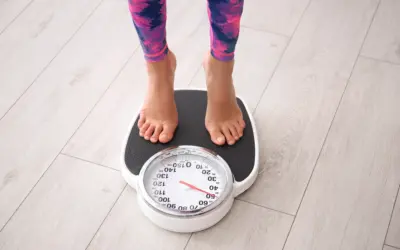
To understand how many sit ups a day to get abs, it is essential to understand why abs often remain hidden. Every person has abdominal muscles, regardless of fitness level. Visibility depends primarily on body fat percentage rather than abdominal strength alone. When a layer of fat covers the midsection, muscle definition stays hidden even if the abs are strong. According to Harvard Health Publishing, fat loss occurs through sustained calorie control and increased energy expenditure across the entire body, not through targeted muscle exercises.
What Sit Ups Actually Do
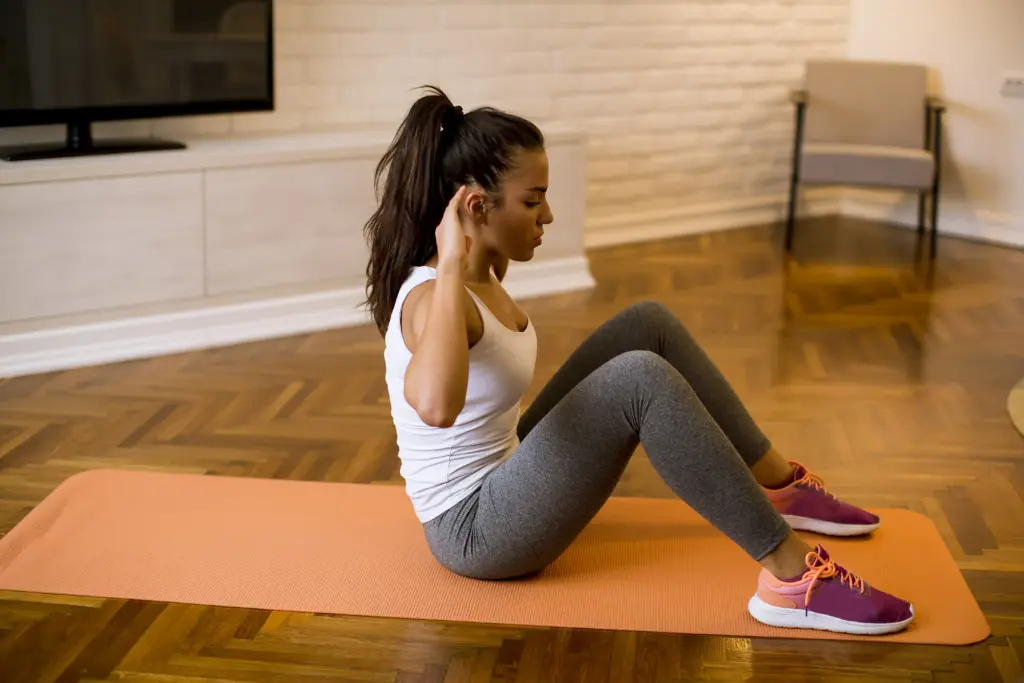
Sit ups primarily train the rectus abdominis, along with assistance from the hip flexors and deeper core muscles. They improve muscular endurance and spinal flexion strength, which can support posture and movement efficiency. However, sit ups burn relatively few calories compared to compound movements. This limits their ability to drive fat loss. Strengthening the abs improves how the core functions beneath the surface, but it does not guarantee visible definition without a reduction in overall body fat.
The Myth of Spot Reduction
One of the most persistent myths in fitness is spot reduction. Many people believe sit ups will burn belly fat directly. Research has repeatedly shown this does not happen. Fat loss occurs systemically, not locally. The body decides where fat is released based on genetics and hormonal factors. The National Institutes of Health confirms that targeted exercises strengthen muscles beneath fat but do not dictate where fat loss occurs. This explains why high sit up volume often improves endurance without changing appearance.

How Many Sit Ups Build Core Endurance
For core endurance, moderate daily volume works better than excessive repetition. Controlled sets performed with proper form improve muscular stamina and coordination. High repetition counts performed quickly shift the workload to the hip flexors and increase neck strain. Quality matters far more than raw numbers. A focused approach builds useful strength that supports other training rather than exhausting the core without added benefit.
Why Body Fat Percentage Matters Most
Visible abs usually appear when body fat drops below a certain threshold that varies by individual. For many men, this happens in the low teen percentages. For many women, visibility appears at higher but still lean levels. This process requires sustained nutrition discipline and overall activity. Sit ups strengthen the muscles that will eventually show, but fat loss determines whether they become visible.
The Role of Diet in Ab Definition
Nutrition plays the largest role in revealing abs. A consistent calorie deficit leads to fat loss over time. Protein intake helps preserve lean muscle during that process, which maintains metabolism. Highly processed foods often sabotage progress by increasing calories without improving satiety. According to the U.S. Food and Drug Administration, balanced diets with adequate protein and fiber support healthy weight management. Sit ups alone cannot offset poor eating habits.
Why Excessive Sit Ups Can Backfire
Performing very high volumes of sit ups every day can create problems rather than results. Repeated spinal flexion places stress on the lower back, especially when recovery is inadequate. Tight hip flexors can also develop, which alters posture and movement mechanics. The Cleveland Clinic notes that repetitive spinal flexion without balance may contribute to back discomfort. Smart core training supports spinal health instead of overloading it.
How Abs Function During Real Movement
The abdominal muscles stabilize the spine during daily activities such as walking, lifting, and twisting. Most of the time, they resist movement rather than create it. This means stability based exercises often engage the core more effectively than endless sit ups. Sit ups train one function of the abs but not the full role they play during real world movement.
Training Abs Without Overtraining
Most people do not need to train abs every day. The abs recover like other muscle groups. Overtraining them does not accelerate fat loss and may reduce performance in other workouts. Two to four focused core sessions per week often provide enough stimulus. Recovery supports growth and strength just as much as training itself.

Why Compound Movement Helps Reveal Abs
Compound exercises that involve multiple muscle groups burn more calories and create greater overall demand on the body. Squats, lunges, presses, and pulling movements all require core engagement. These movements increase energy expenditure and support fat loss. Sit ups alone lack this systemic effect. Combining core work with compound training produces better results.
How Genetics Influence Ab Visibility
Genetics influence muscle shape, insertion points, and fat distribution. Some people display abs at higher body fat levels, while others must lean out further. This difference does not reflect effort or discipline. It reflects biology. Understanding this helps manage expectations and prevents unnecessary frustration.
Realistic Expectations for Sit Ups
So, how many sit ups a day to get abs? Sit ups alone do not unlock visible abs. They build strength and endurance beneath the surface. Without fat loss, definition remains hidden. A reasonable daily volume can support core development, but it cannot replace full body training and nutrition control.

Using Sit Ups the Right Way
Sit ups work best when used with intention. Slow, controlled repetitions protect the spine and improve muscle engagement. Proper breathing reduces neck strain and improves stability. When paired with other core exercises, sit ups contribute to a stronger and more functional midsection.
Why Consistency Beats Intensity
Chasing extreme sit up numbers often leads to burnout or injury. Consistent training, reasonable volume, and adequate recovery produce better long term outcomes. Abs develop through patience and structure rather than punishment. Sustainable habits always outperform aggressive short term plans.
What Actually Gets Abs to Show
Visible abs appear when training, nutrition, sleep, and stress management align. Sit ups support muscle development, but fat loss reveals them. This requires a comprehensive approach rather than a single exercise. Understanding this saves time and effort while producing better results.

Conclusion
So, how many sit ups a day to get abs? There is no magic number. Sit ups strengthen the abdominal muscles, but fat loss reveals them. Nutrition, full body movement, recovery, and consistency matter far more than repetition counts. At FitEnomics, we focus on sustainable fat loss and smart training. If you want a structured starting point, the free program How To Lose Up To 9 lbs. Or More In The First Week! helps build momentum the right way so the work you do finally shows.