
Many people enjoy swimming as a form of exercise, but a common question still comes up: does swimming build muscle? The answer is yes, swimming can help build muscle, but it works differently compared to traditional strength training. Swimming uses water resistance instead of weights, which means your muscles must work continuously to move your body through the water. This resistance challenges multiple muscle groups at the same time, including the arms, shoulders, core, and legs. While swimming may not produce the same level of muscle size as heavy weightlifting, it helps improve muscle tone, endurance, and overall strength. The type of strokes you use, the intensity of your sessions, and how often you train all influence the results. Understanding how does swimming build muscle requires looking at how resistance, movement, and consistency come together to create gradual improvements in strength and body composition.

How Swimming Engages Different Muscle Groups
Swimming is a full body workout that activates several muscle groups during each session. The upper body plays a major role, especially the shoulders, back, and arms, which help pull the body through the water. At the same time, the core muscles work to stabilize the body and maintain proper alignment. The legs provide propulsion through kicking movements, which engage the glutes, quadriceps, and hamstrings. Each stroke targets muscles in slightly different ways. For example, freestyle emphasizes the shoulders and core, while breaststroke engages the chest and inner thighs more strongly. Because multiple muscles work together during swimming, the body develops balanced strength rather than focusing on a single area. This explains why many people ask does swimming build muscle, since it provides a comprehensive workout that supports overall muscle development.
The Role of Water Resistance
Water resistance plays a key role in muscle development during swimming. Unlike air, water creates constant resistance against movement. Every stroke requires effort to push through the water, which forces the muscles to contract repeatedly. This resistance acts similarly to light strength training but with less impact on the joints. The body must work harder to move at faster speeds, which increases the intensity of the workout. Because resistance remains constant, muscles stay engaged throughout the entire session. This continuous effort helps improve muscular endurance and strength over time. While the resistance in water is not as heavy as lifting weights, it still challenges the muscles in a unique way. Understanding how resistance works helps answer the question does swimming build muscle, since it explains how the body develops strength without traditional equipment. According to the Centers for Disease Control and Prevention, regular physical activity such as swimming helps build strength, improve endurance, and support overall health.
Muscle Tone vs Muscle Size
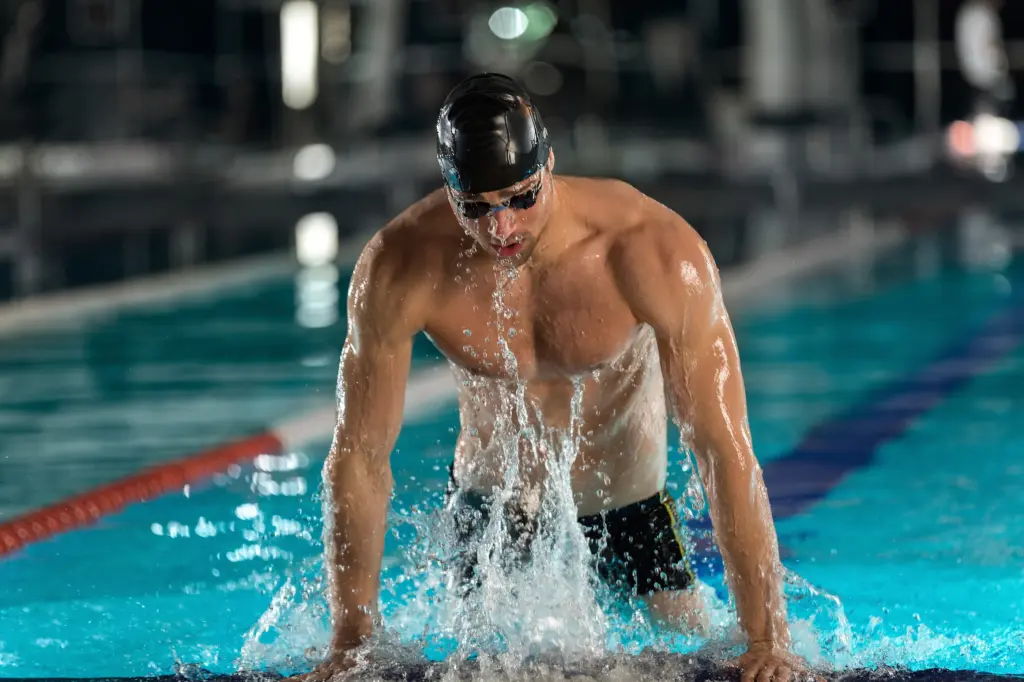
Swimming typically improves muscle tone more than it increases muscle size. Muscle tone refers to the firmness and definition of muscles rather than their overall size. Because swimming uses moderate resistance and high repetition, it promotes lean muscle development. Weightlifting, on the other hand, often focuses on lifting heavier loads with fewer repetitions, which can lead to larger muscle growth. This difference explains why swimmers often have a lean and defined appearance rather than bulky muscles. However, swimming still builds strength and improves muscle function. Individuals who combine swimming with strength training may experience both muscle growth and improved endurance. When people ask does swimming build muscle, the answer depends on whether they are looking for size or definition. Swimming supports strength and tone, while additional resistance training may be needed for significant muscle growth.
Intensity and Training Frequency
The intensity of swimming sessions plays a major role in muscle development. Swimming at a relaxed pace provides cardiovascular benefits but may not challenge the muscles enough to promote growth. Increasing speed, adding intervals, or swimming against resistance can make workouts more demanding. High intensity sessions require more effort from the muscles, which can lead to greater strength improvements over time. Frequency also matters. Swimming several times per week helps maintain consistent muscle engagement and allows the body to adapt. Short sessions may provide some benefits, but longer and more challenging workouts often produce better results. Consistency remains the key factor in achieving progress. When evaluating does swimming build muscle, it becomes clear that effort and regular practice influence the outcome more than the activity itself.

Comparing Swimming to Weight Training
Swimming and weight training both support muscle development, but they work in different ways. Weight training focuses on lifting external resistance, which allows individuals to target specific muscles and increase load over time. This method often leads to faster muscle growth. Swimming uses body weight and water resistance, which spreads effort across multiple muscle groups. This creates balanced strength and improves endurance. Each method offers unique benefits. Weight training builds muscle size and strength, while swimming improves flexibility, endurance, and overall fitness. Combining both can create a more complete fitness routine. When people ask does swimming build muscle, they often compare it to weightlifting, but both forms of exercise contribute to strength in different ways.
Combining Swimming With a Structured Fitness Plan
Swimming becomes more effective when combined with a structured fitness plan that includes strength training and proper nutrition. A balanced approach helps individuals improve both muscle strength and body composition. At FitEnomics, programs such as the Best Body Fitness Programs guide individuals through workouts and nutrition strategies that support long term progress. These programs help users stay consistent and track improvements over time. Adding swimming to a structured plan can improve endurance while strength training builds muscle. Nutrition also plays an important role by providing the nutrients needed for recovery and growth. When these elements work together, individuals often achieve better results.

Conclusion
So does swimming build muscle? Yes, swimming can build muscle by using water resistance to engage multiple muscle groups throughout the body. It improves strength, endurance, and muscle tone, although it may not produce large muscle size like heavy weightlifting. The results depend on intensity, frequency, and overall training approach. Swimming works best as part of a balanced routine that includes strength training and proper nutrition. When individuals stay consistent and challenge their bodies, they can develop stronger and more defined muscles over time. Understanding does swimming build muscle helps set realistic expectations and encourages a more effective fitness strategy.