Many people who focus on fitness and fat loss often come across supplements that promise better results, and one common question is does creatine help with weight loss? Creatine is widely known for improving strength and performance, but its role in weight loss is often misunderstood. Unlike fat burners, creatine does not directly reduce body fat. Instead, it supports energy production in muscles, which can improve workout performance. When individuals train harder and more consistently, they may burn more calories over time. This indirect effect can contribute to weight loss when combined with proper nutrition and exercise. Some people also notice slight weight gain when they start taking creatine, which is usually due to water retention in muscle cells rather than fat gain. Understanding how creatine works helps clarify its role in a fitness routine. While it is not a direct fat loss supplement, it can support better training results, which may help individuals reach their weight loss goals over time.
How Creatine Works in the Body
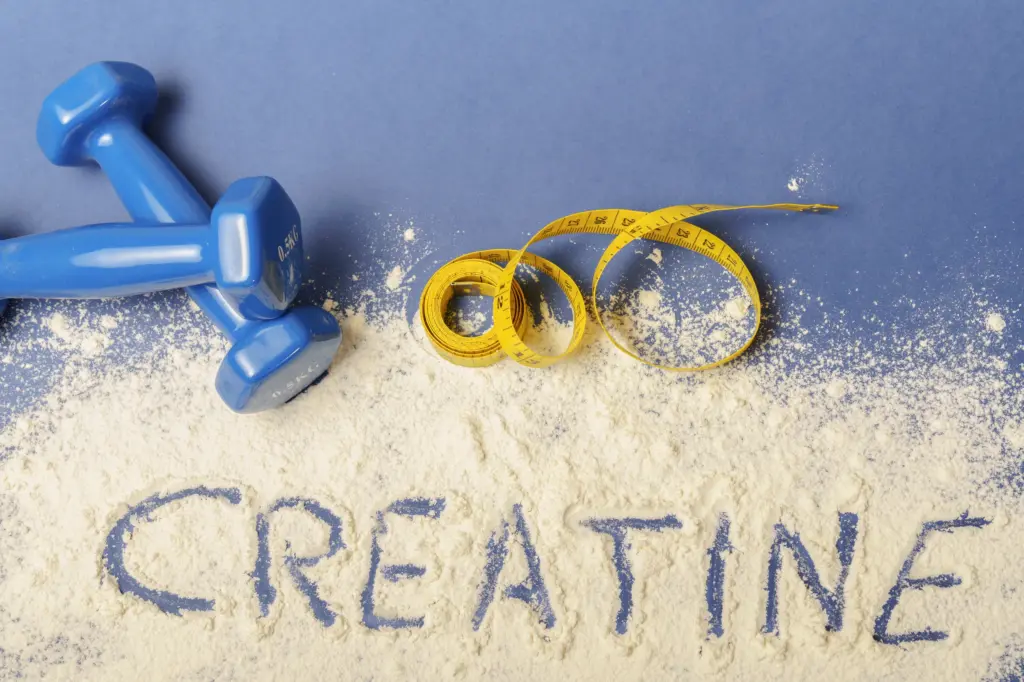
Creatine is a naturally occurring compound found in small amounts in foods such as meat and fish. The body also produces creatine in the liver and kidneys. It plays a key role in energy production during short bursts of intense activity. Muscles rely on a molecule called ATP for energy, and creatine helps regenerate ATP quickly during high intensity exercise. This allows individuals to perform more repetitions, lift heavier weights, or sustain intense effort for longer periods. Over time, these improvements in performance can lead to increased muscle strength and endurance. According to the National Institutes of Health Office of Dietary Supplements, creatine supplementation can enhance physical performance when used appropriately. Understanding this mechanism helps answer the question does creatine help with weight loss, because it shows that creatine supports energy and performance rather than directly targeting fat.
Creatine and Calorie Burn
Creatine does not directly increase calorie burn in the way that cardio exercise or thermogenic supplements might. However, it can indirectly influence calorie expenditure by improving workout intensity. When individuals have more energy during training, they often push harder and perform more work. This increased effort can lead to greater calorie burn over time. Strength training sessions may become more effective, and individuals may be able to sustain longer or more intense workouts. Over weeks and months, this added effort can contribute to a calorie deficit when combined with proper nutrition. This is where the connection between creatine and weight loss becomes clearer. The supplement itself does not burn fat, but it supports the activities that lead to fat loss.
Water Retention and Weight Changes
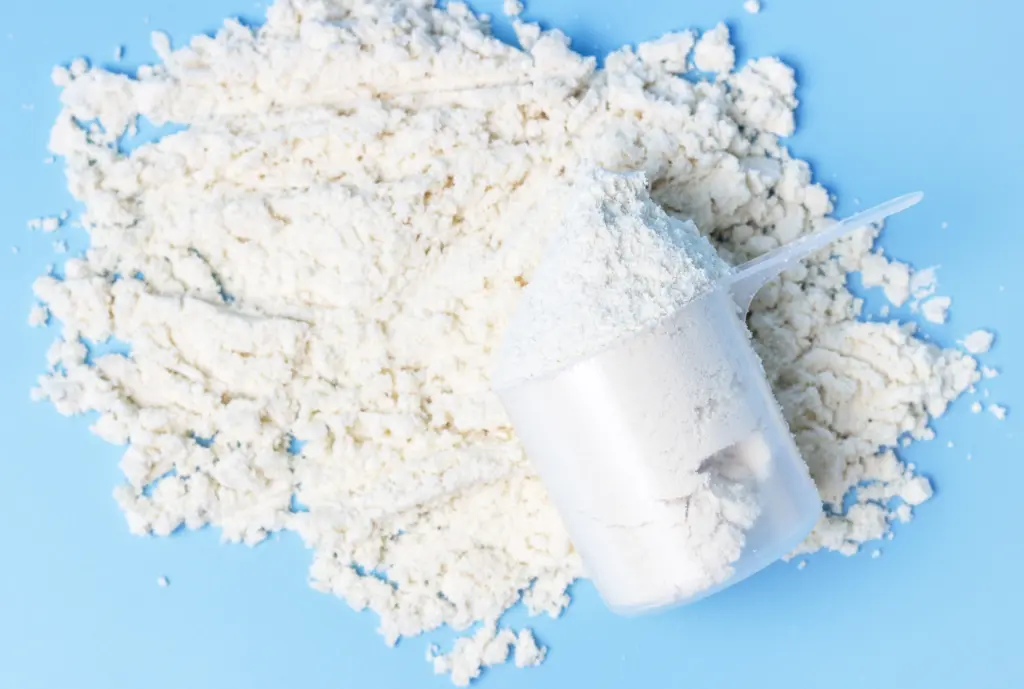
One of the most common concerns when using creatine involves weight gain. Many individuals notice a small increase in body weight shortly after starting supplementation. This change is usually due to water retention within muscle cells rather than an increase in body fat. Creatine draws water into the muscles, which can make them appear fuller and more hydrated. While this may cause the number on the scale to rise slightly, it does not reflect an increase in fat mass. Understanding this effect is important when evaluating progress. Individuals who focus only on scale weight may feel discouraged, but body composition provides a more accurate measure of results. When considering does creatine help with weight loss, it is important to look beyond short term weight changes and focus on long term progress.
Muscle Growth and Fat Loss
Creatine supports muscle growth by improving performance during resistance training. When individuals build more muscle, their bodies require more energy to maintain that tissue. This can increase resting energy expenditure over time. Muscle tissue burns more calories than fat tissue, which means increasing muscle mass can support long term fat loss. Strength training combined with creatine supplementation may help individuals improve body composition by increasing muscle and reducing fat. This process does not happen instantly, but consistent training and proper nutrition can produce noticeable changes over time. The connection between muscle growth and fat loss helps explain why people ask does creatine help with weight loss, even though its effects are indirect.
Combining Creatine With Proper Nutrition
Creatine works best when combined with a balanced diet that supports fitness goals. Nutrition plays a major role in weight loss, and no supplement can replace proper eating habits. Consuming enough protein helps support muscle repair and growth, while maintaining a calorie deficit supports fat loss. Whole foods such as lean meats, vegetables, fruits, and healthy fats provide essential nutrients that support overall health. Creatine supplementation can enhance training performance, but it must be paired with consistent dietary habits to produce meaningful results. Individuals who focus on both nutrition and supplementation often achieve better outcomes compared with those who rely on supplements alone.
Using Creatine in a Structured Fitness Plan
Creatine becomes more effective when used as part of a structured fitness routine. Consistency in training and supplementation plays a major role in long term progress. At FitEnomics, structured programs such as the Best Body Fitness Programs help individuals combine strength training, nutrition, and recovery. These programs support sustainable progress and make it easier to stay consistent. When creatine is included as part of a well planned routine, it can enhance performance and support overall fitness goals. This structured approach helps individuals understand how supplements fit into a larger plan rather than relying on them alone.

Conclusion
So does creatine help with weight loss? The answer is that it can support weight loss indirectly by improving workout performance and helping build muscle. It does not burn fat directly, but it enhances the activities that lead to fat loss. Increased strength and endurance allow individuals to train more effectively, which can contribute to a calorie deficit over time. Temporary weight gain from water retention may occur, but it does not represent fat gain. When combined with proper nutrition and consistent exercise, creatine can support improvements in body composition. Understanding does creatine help with weight loss helps individuals set realistic expectations and use the supplement as part of a balanced fitness routine.