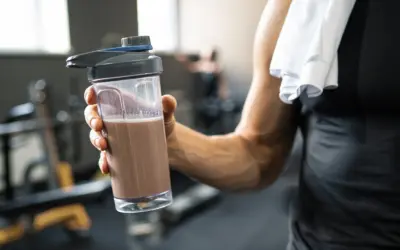
Protein powder is widely used in fitness routines, but many people wonder what happens when a container sits unused for a long time. One common concern is whether protein powder can go bad and if it is still safe to use after a certain period. The answer is yes, protein powder can go bad over time, although it does not spoil as quickly as fresh food. Most products include a “best by” date that indicates how long they maintain their best quality. After that point, the powder may still be usable, but its taste, texture, and nutritional value may begin to decline. Storage conditions play a major role in how long the product lasts. Exposure to heat, air, and moisture can speed up the breakdown process. Understanding how protein powder changes over time helps individuals decide when to keep using it and when it is better to replace it with a fresh product.
What Causes Protein Powder to Deteriorate
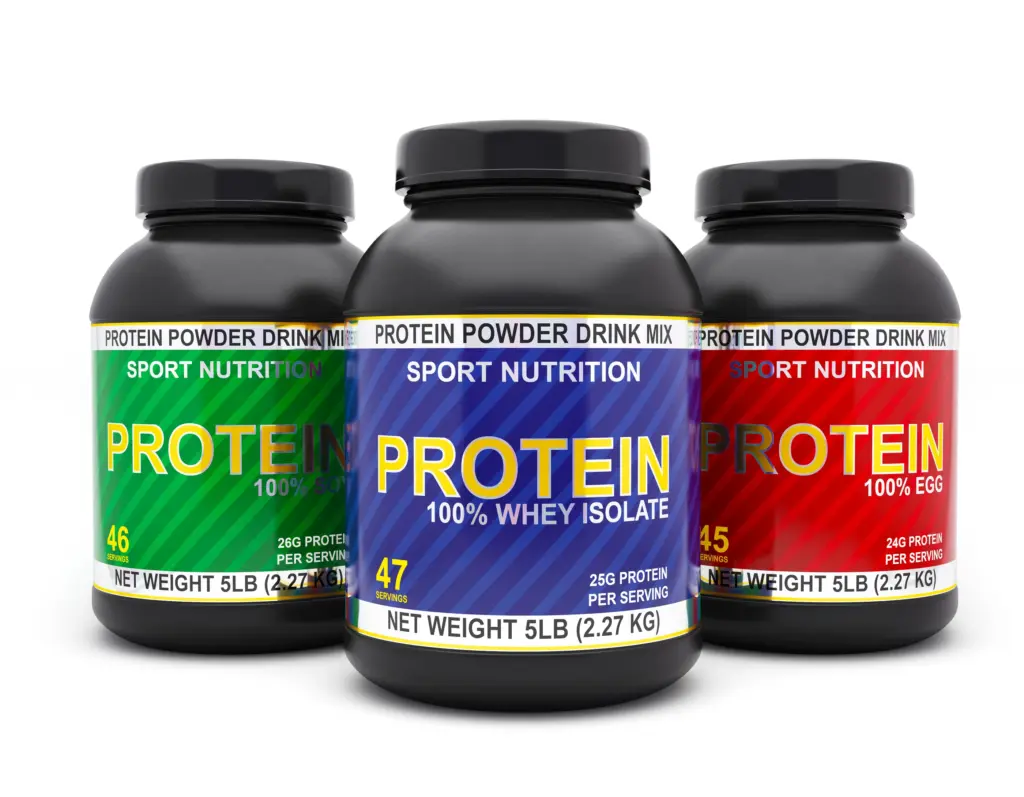
Several environmental factors contribute to the breakdown of protein powder. Moisture is one of the most important factors because it allows bacteria and mold to develop. Even small amounts of humidity can affect the powder’s consistency and freshness. Air exposure also plays a role by causing oxidation, which may change the taste and reduce the effectiveness of nutrients. Heat further accelerates chemical reactions that degrade protein and added ingredients. Storing protein powder near sunlight or in warm environments can shorten its shelf life. Ingredient quality also matters. Products with fewer preservatives or more natural ingredients may degrade faster than highly processed versions. Understanding these factors helps explain why storage habits are so important. Proper handling can slow down these processes and help maintain the powder’s quality for a longer period.
Signs That Protein Powder Has Gone Bad
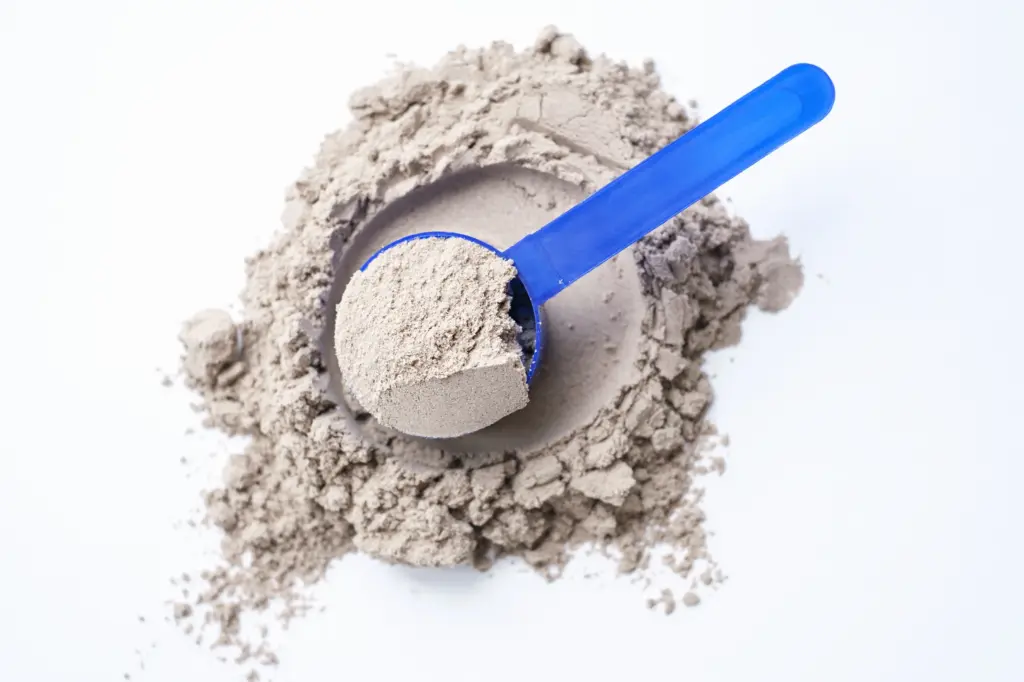
Recognizing changes in protein powder can help prevent using a product that has lost its quality. One of the first signs is a change in smell. A sour or unusual odor may indicate that the powder is no longer fresh. Texture changes can also appear when moisture enters the container. Clumps or hardened particles may form, making the powder difficult to mix. Taste provides another clue. A bitter or unpleasant flavor suggests that the product may have degraded. Color changes may occur in some cases, especially if the powder has been exposed to air or light. These visible and sensory changes help determine whether the product is still usable. Paying attention to these signs allows individuals to make informed decisions before consuming the supplement.
Expiration Dates of Protein Powder
Expiration dates on protein powder often indicate peak quality rather than immediate safety. Manufacturers use these dates to show how long the product maintains its intended taste, texture, and nutritional profile. After this period, the powder may still be usable if stored properly, but it may not deliver the same benefits. Proteins can break down gradually, which may reduce the availability of amino acids needed for muscle recovery. Added nutrients such as vitamins may also lose potency over time. Understanding the purpose of expiration dates helps prevent unnecessary waste while still maintaining safety and effectiveness. Consumers should use both the date and physical signs of quality to evaluate the product.
Is Older Protein Powder Safe to Consume
Safety depends on how the product has been stored and whether it shows signs of spoilage. In many cases, protein powder remains safe for some time after the printed date if it has been kept in proper conditions. However, contamination can occur if moisture or bacteria enter the container. According to the U.S. Food and Drug Administration, proper storage and handling are key factors in maintaining food safety. If the powder develops mold, a strong odor, or unusual texture, it should not be used. Checking these signs before consumption helps reduce potential risks and ensures better supplement quality.
Best Ways to Store Protein Powder
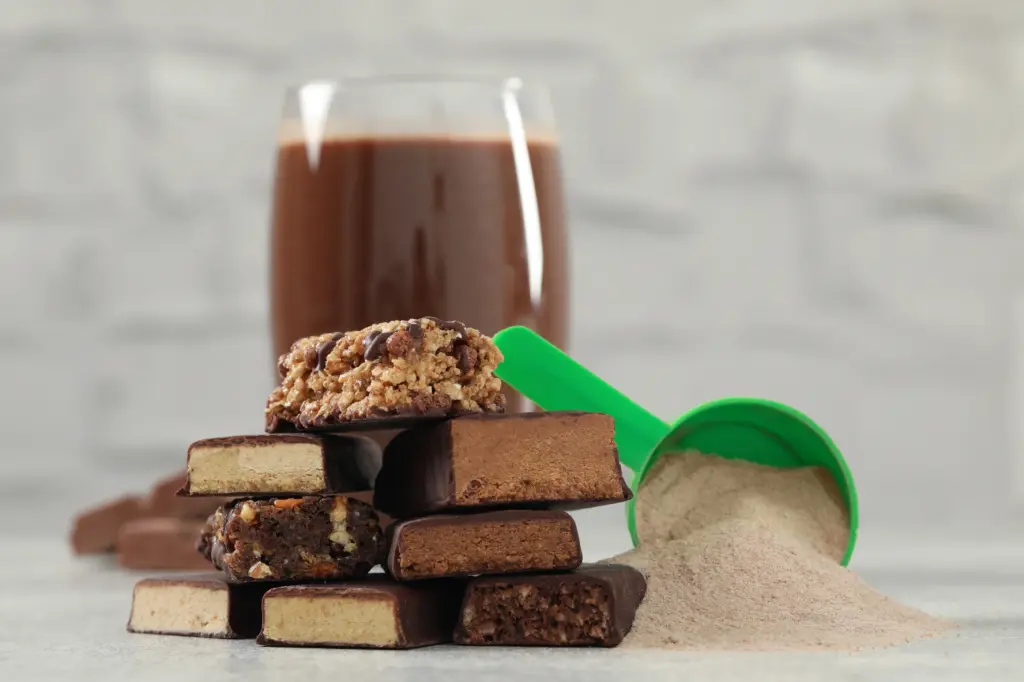
Proper storage can extend the shelf life and maintain the quality of protein powder. Keeping the container tightly sealed prevents air and moisture from entering. A cool and dry environment is ideal for preserving freshness. Avoid placing the powder near heat sources or direct sunlight, as these conditions can accelerate degradation. Using a clean and dry scoop each time also helps prevent contamination. Some individuals choose airtight containers for additional protection. These simple steps can make a noticeable difference in how long the product remains usable. Good storage habits help maintain both the texture and nutritional value of the powder over time.
Using Protein Powder as Part of a Balanced Diet
Protein powder works best when combined with whole food sources of nutrition. Natural foods such as eggs, fish, legumes, and lean meats provide additional nutrients that supplements cannot fully replace. Protein powder offers convenience, especially for individuals with busy schedules. However, relying entirely on supplements may limit dietary variety. A balanced approach that includes both whole foods and occasional supplementation supports better long term health. At FitEnomics, structured plans such as the Best Body Fitness Programs help individuals maintain consistent routines that combine proper nutrition with effective training.
How Long Protein Powder Typically Lasts
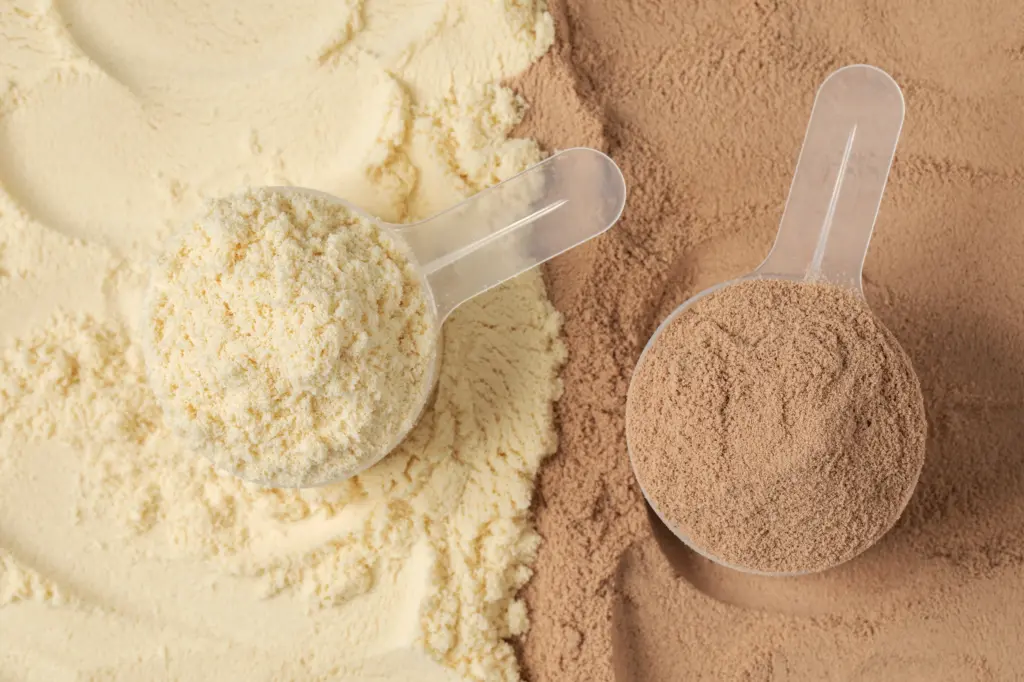
The shelf life of protein powder depends on several factors, including the type of protein and how it is stored after opening. Most protein powders are designed to last between one and two years when kept in proper conditions. Whey protein often contains ingredients that help maintain stability for a longer period, while some plant based options may have a slightly shorter shelf life depending on their formulation. Once the container is opened, exposure to air and humidity begins to affect the product slowly. This does not mean the powder becomes unsafe right away, but its freshness and effectiveness may decline over time. Keeping track of how long the product has been open can help users decide when it is time to replace it. Understanding how long protein powder lasts also helps individuals manage their supplement routine more efficiently. With proper storage and handling, most protein powders remain usable for a significant period while maintaining acceptable quality.
Conclusion
Protein powder does not last forever, and its quality changes over time. While it may remain usable after the expiration date in some cases, storage conditions and visible signs of degradation play an important role in determining whether it is still suitable. Paying attention to smell, texture, and taste can help identify when it is time to replace the product. Proper storage can extend its usability, but eventually, freshness and effectiveness decline. Using supplements as part of a balanced diet ensures better results and supports overall health. Understanding how protein powder ages allows individuals to make better decisions about their nutrition and fitness routines.