
Many people looking for natural ways to manage stress often ask whether ashwagandha can help with anxiety. The short answer is that it may help some individuals feel calmer and more resilient to stress. Ashwagandha is an adaptogenic herb that has been used for centuries in traditional Ayurvedic medicine to support mental balance and relaxation. Modern research suggests it may help regulate the body’s stress response and reduce cortisol levels, which are closely linked to anxiety. While it is not a cure for anxiety disorders, many people report improved mood, reduced tension, and better sleep when using it consistently. The herb appears to work best when combined with healthy lifestyle habits such as exercise, good sleep, and balanced nutrition. Understanding how ashwagandha works and what research says about it can help determine whether it may be a helpful addition to a stress management routine.

What Is Ashwagandha?
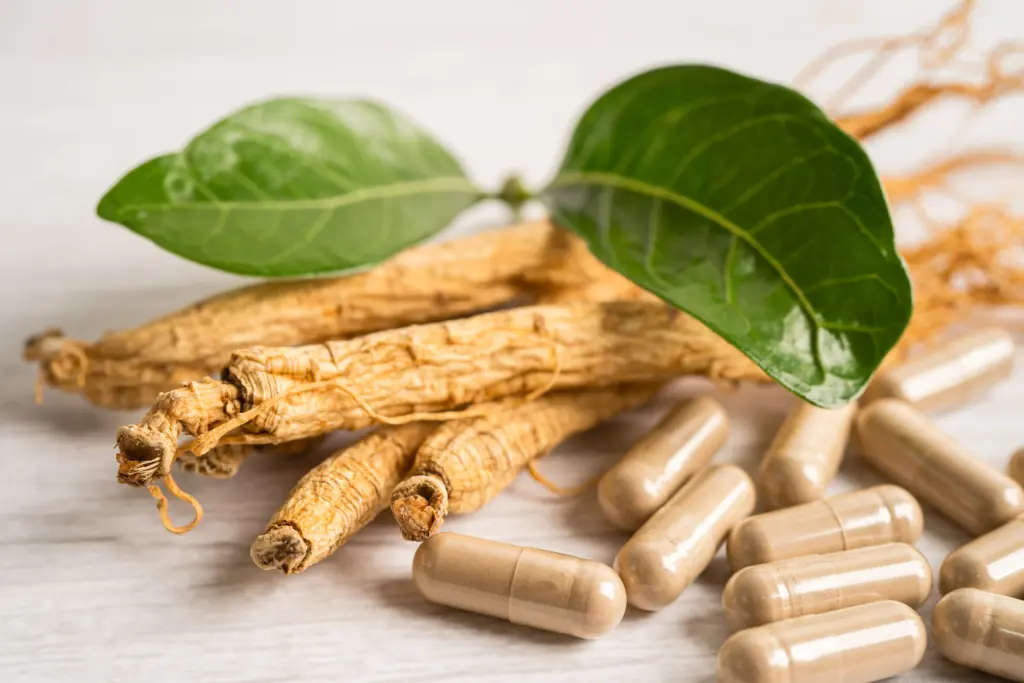
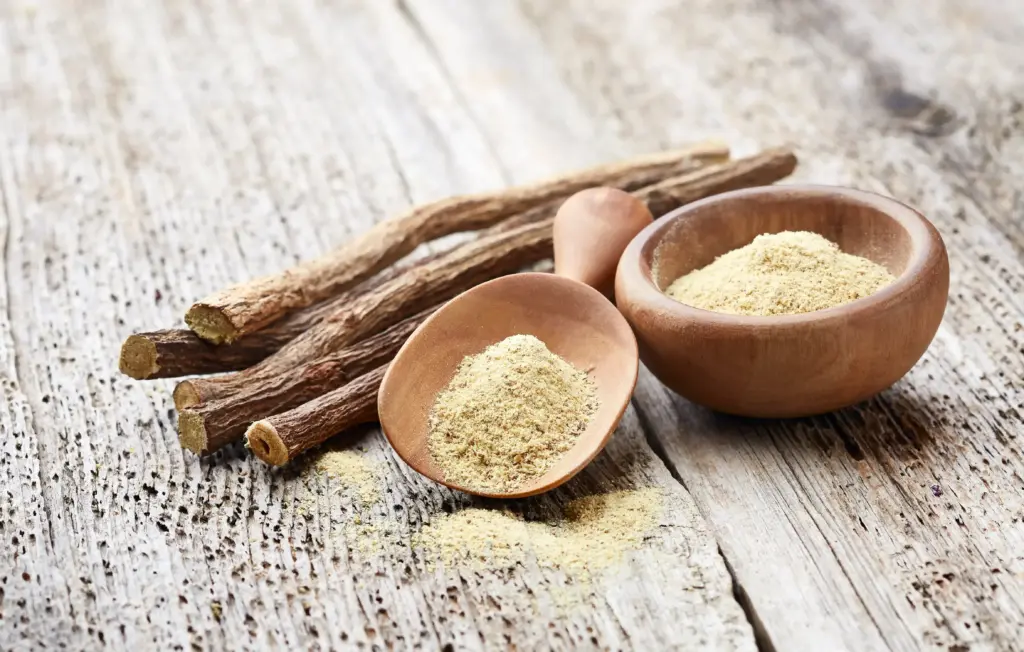
Ashwagandha is an herbal plant that has long been used in traditional Ayurvedic medicine. The scientific name for this plant is Withania somnifera. It grows primarily in parts of India, the Middle East, and Africa. The root of the plant is typically used to produce supplements, powders, and extracts. For centuries, practitioners of traditional medicine have used ashwagandha to support energy levels, improve resilience to stress, and promote general health. It is often classified as an adaptogen, which means it may help the body adapt to physical and emotional stress. Adaptogens are believed to work by supporting balance within the body’s stress response system. Today, ashwagandha is commonly sold in capsule or powder form and is widely available in health stores and online. Many people take it as part of a daily wellness routine to support mood, sleep, and overall mental balance.
How Anxiety Affects the Body
Anxiety is more than just feeling worried or nervous. It can affect many systems throughout the body. When someone experiences anxiety, the brain activates the body’s stress response. This response involves the release of hormones such as cortisol and adrenaline. These hormones prepare the body for a fight or flight reaction. In small amounts, this response is helpful because it allows people to react quickly to challenges. However, when stress becomes chronic, these hormones can remain elevated for long periods. High cortisol levels may lead to fatigue, sleep problems, digestive issues, and difficulty concentrating. Many people also experience physical symptoms such as muscle tension, headaches, or a racing heart. Because anxiety affects both the mind and body, effective solutions often focus on improving overall balance within the nervous system. This is one reason natural adaptogens like ashwagandha have gained attention in recent years.
How Ashwagandha May Help Reduce Anxiety
Ashwagandha is often promoted for its ability to support the body’s stress response system. One of the main ways it may help reduce anxiety is by influencing cortisol levels. Cortisol is the body’s primary stress hormone. When stress becomes chronic, cortisol levels may remain elevated, which can contribute to feelings of anxiety and mental fatigue. Some research suggests that ashwagandha may help regulate cortisol production and support a calmer stress response. The herb may also influence neurotransmitters in the brain that play a role in mood regulation. By supporting balance in these chemical signals, ashwagandha may help improve feelings of calmness and emotional stability. Many individuals report that taking ashwagandha regularly helps them feel more relaxed and less overwhelmed during stressful situations. While the exact mechanisms are still being studied, these potential effects help explain why the herb is often used to support stress management.
Scientific Research on Ashwagandha and Anxiety
Several studies have examined the potential effects of ashwagandha on stress and anxiety levels. Some clinical trials have shown promising results. Participants who took ashwagandha extract reported lower levels of stress and improved overall well being compared to those who took a placebo. In some studies, participants also experienced reductions in cortisol levels, suggesting that the herb may influence the body’s hormonal stress response. Research summarized by organizations such as the National Center for Biotechnology Information highlights growing scientific interest in adaptogenic herbs like ashwagandha. While many results appear encouraging, researchers emphasize that more large scale studies are needed to fully understand how effective the herb is for anxiety management. Current findings suggest that ashwagandha may support stress reduction for some individuals, especially when used alongside healthy lifestyle habits.
Other Benefits of Ashwagandha
In addition to potential anxiety relief, ashwagandha is often associated with several other health benefits. Some people take the herb to support better sleep quality. Improved sleep can have a direct impact on mood and stress levels. Others use it to support energy levels and physical performance. Research suggests that ashwagandha may help reduce fatigue and improve endurance during exercise. The herb is also sometimes used to support cognitive function and focus. These effects may be related to its ability to support stress balance within the body. Because stress can affect many systems in the body, reducing stress may have widespread benefits. Many individuals include ashwagandha as part of a broader wellness strategy that includes exercise, balanced nutrition, and stress management techniques.
Combining Ashwagandha with Healthy Habits
Although ashwagandha may provide helpful support for stress management, it works best when combined with healthy lifestyle habits. Regular physical activity is one of the most effective ways to improve mood and reduce anxiety. Exercise helps release endorphins, which are chemicals that promote feelings of well being. Structured fitness programs such as the Best Body Fitness Program combine exercise with balanced nutrition to support both physical and mental health. Sleep is another critical factor in managing anxiety. Poor sleep can increase stress and make emotional regulation more difficult. Practicing relaxation techniques such as deep breathing or meditation may also help calm the nervous system. When combined with these lifestyle strategies, ashwagandha may offer additional support for individuals looking to manage stress naturally.

Possible Side Effects and Safety Considerations
Although ashwagandha is generally considered safe for many people, it is still important to use it responsibly. Some individuals may experience mild side effects such as stomach discomfort, nausea, or digestive upset. These effects are usually temporary and may improve when the supplement is taken with food. People who are pregnant, breastfeeding, or taking certain medications should consult a healthcare professional before using ashwagandha. Because supplements can interact with medications, professional guidance helps ensure safe use. It is also important to choose high quality supplements from reputable manufacturers. Product quality can vary widely in the supplement industry. Reading labels and checking third party testing certifications can help ensure the product contains the ingredients listed on the label.
Conclusion
So can ashwagandha help with anxiety? Current research suggests that it may support stress reduction and emotional balance for some individuals. The herb has a long history of traditional use and growing scientific interest. By helping regulate the body’s stress response system, ashwagandha may contribute to feelings of calmness and improved resilience during stressful situations. However, it should not be viewed as a single solution for anxiety. The most effective approach often involves a combination of healthy habits such as exercise, balanced nutrition, proper sleep, and stress management techniques. When used responsibly and as part of a well rounded lifestyle, ashwagandha may provide helpful support for individuals seeking natural ways to manage stress and anxiety.