Many people include sit ups in their workout routines because they believe this exercise quickly builds strong abdominal muscles. Sit ups can strengthen certain muscles in the core, but they are not always the most effective exercise for developing overall abdominal strength or reducing body fat. The movement mainly targets the rectus abdominis, the muscle that runs along the front of the abdomen. However, other muscles such as the hip flexors also assist during the motion. Because of this, sit ups alone cannot transform the core or produce visible abs without proper training and nutrition. The real answer to the question “are sit ups effective” depends on how they are used within a broader fitness routine. When combined with balanced training, proper diet, and consistent exercise, sit ups can play a useful role in strengthening the core. Understanding how the exercise works and when to include it can help people build stronger abdominal muscles while avoiding common misconceptions about core training.

How Sit Ups Work the Core Muscles
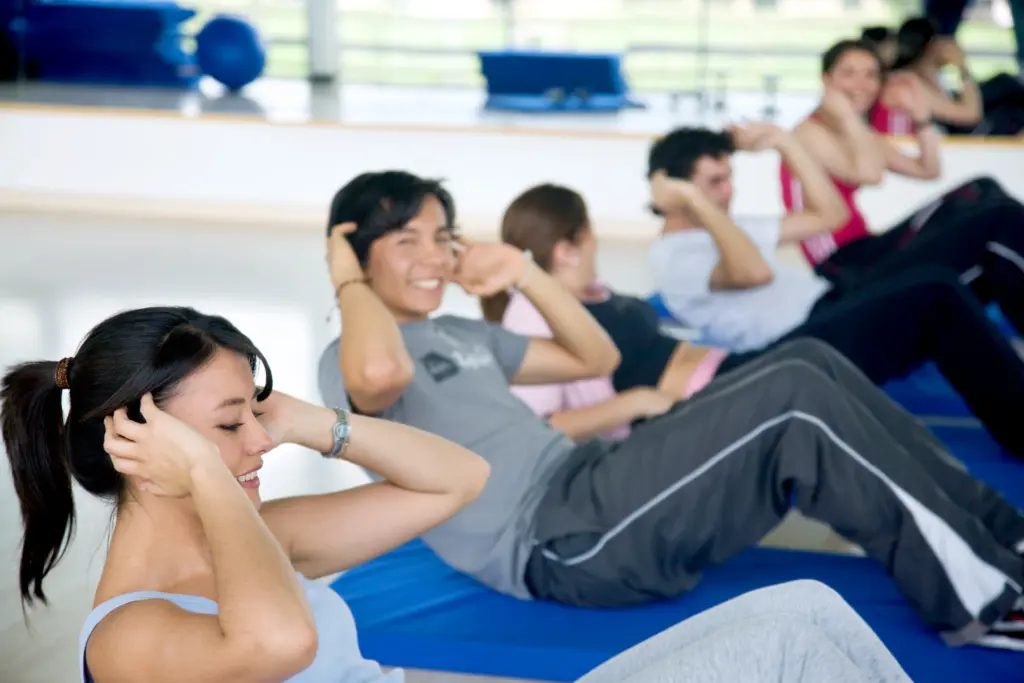
Sit ups involve lifting the upper body from a lying position until the torso approaches the thighs. During this movement, the rectus abdominis contracts to bend the spine forward. This muscle forms the visible “six pack” appearance when body fat levels are low. However, sit ups also recruit the hip flexors, which connect the thighs to the pelvis and help lift the body during the exercise. Because these muscles assist with the movement, the abdominal muscles do not perform all of the work. Some trainers believe this reduces the overall effectiveness of sit ups compared with other core exercises. Despite this limitation, sit ups can still strengthen the abdominal region when performed correctly and consistently. The exercise encourages muscle endurance and coordination within the core. Proper technique is important because excessive strain on the lower back may occur if individuals rely too heavily on their hip flexors. Understanding how sit ups activate multiple muscle groups helps explain both the benefits and limitations of the exercise.
The Difference Between Sit Ups and Other Core Exercises
Many fitness professionals now recommend a variety of core exercises instead of relying on sit ups alone. Movements such as planks, hanging leg raises, and stability exercises activate deeper muscles that support the spine and improve posture. These muscles include the transverse abdominis and obliques, which stabilize the torso during movement. Sit ups primarily focus on the front abdominal muscles and do not always engage these stabilizing muscles as effectively. This does not mean sit ups have no value. Instead, they work best when combined with other exercises that strengthen the entire core. A balanced core routine may include exercises that involve rotation, stabilization, and controlled leg movements. By combining different types of core exercises, individuals can strengthen the abdominal region more completely and reduce the risk of muscular imbalances.

Can Sit Ups Help Burn Belly Fat
One of the biggest myths surrounding sit ups is that they directly burn belly fat. Many people perform hundreds of repetitions hoping to reduce fat around the stomach area. In reality, the body does not burn fat in specific locations based on the exercises performed. Fat loss occurs throughout the body when individuals burn more calories than they consume. Sit ups strengthen abdominal muscles but do not specifically remove fat from the stomach. Visible abdominal definition appears when body fat levels decrease through a combination of proper nutrition, strength training, and cardiovascular exercise. This is why many trainers emphasize full body workouts and healthy eating habits instead of relying solely on abdominal exercises.
The Role of Core Strength in Overall Fitness
The core plays a central role in nearly every physical movement. Strong core muscles stabilize the spine, support proper posture, and improve balance during exercise. Activities such as lifting weights, running, and even everyday movements rely on the strength of the core muscles. Sit ups contribute to this strength by training the abdominal muscles to contract and control spinal movement. However, core strength involves more than the visible muscles on the front of the abdomen. Deep stabilizing muscles support the spine and help protect the lower back during physical activity. According to the U.S. Department of Health and Human Services Physical Activity Guidelines, strengthening exercises that involve multiple muscle groups support overall health and functional movement.

Proper Form and Technique
Performing sit ups with proper form helps maximize their benefits while reducing the risk of injury. Individuals should keep their feet stable and avoid pulling on the neck while lifting the torso. The abdominal muscles should initiate the movement rather than the hips or lower back. Slow and controlled repetitions help maintain tension in the core and improve muscle engagement. Many beginners perform sit ups too quickly, which allows momentum to replace muscle effort. This reduces the effectiveness of the exercise and may place unnecessary strain on the spine. By focusing on controlled movements and proper breathing, individuals can make sit ups more productive as part of a larger training routine.
Using Sit Ups in a Balanced Workout Plan
Sit ups can be useful when they appear within a balanced workout program rather than serving as the only core exercise. Strength training routines that combine abdominal exercises with compound movements often produce better results. Exercises such as squats, deadlifts, and pull ups engage the core while strengthening other muscle groups. At FitEnomics, structured plans such as the Best Body For Women Program and the Best Body For Men Program combine strength training with effective core exercises. These programs help individuals develop stronger muscles while maintaining balanced workouts.
Conclusion
So are sit ups effective? The answer depends on how they are used. Sit ups can strengthen the abdominal muscles and contribute to overall core development. However, they work best when combined with other exercises that target the entire core and support full body strength. Sit ups alone cannot reduce belly fat or create visible abdominal definition without proper nutrition and overall fat loss. When individuals combine sit ups with balanced training, cardiovascular activity, and healthy eating habits, they can build stronger core muscles and improve overall fitness. Understanding the role of sit ups within a larger workout plan helps individuals train more effectively and achieve better results over time.