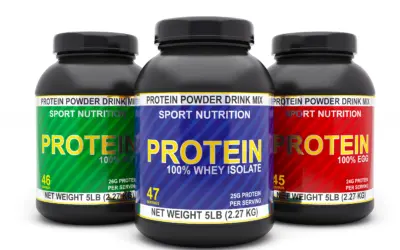
Many people focus on weight loss, but a more important goal is learning how to lower body fat percentage. Body fat percentage gives a clearer picture of health and fitness because it shows how much of your body consists of fat compared to muscle. Someone can lose weight but still have a high body fat percentage if they lose muscle instead of fat. This is why focusing on fat loss rather than just scale weight leads to better long term results. Lowering body fat requires a combination of proper nutrition, consistent exercise, and sustainable habits. Quick fixes rarely work because the body adapts slowly to changes. When you understand how to lower body fat percentage, you begin to focus on building muscle, improving metabolism, and maintaining a calorie balance. This approach supports long term health and helps create a leaner and stronger body over time.

Body Fat Percentage
Body fat percentage measures the proportion of fat mass compared to total body weight. This measurement provides a better understanding of body composition than weight alone. Two individuals may weigh the same but have very different body fat levels depending on muscle mass. Lower body fat levels often reveal more muscle definition and improve overall fitness. However, extremely low body fat may not be sustainable for everyone. According to the National Heart, Lung, and Blood Institute, maintaining a healthy body fat range supports long term health and reduces risks associated with obesity. Understanding how to lower body fat percentage begins with recognizing that fat loss and muscle preservation must happen together. Focusing only on weight loss can lead to muscle loss, which slows metabolism and makes it harder to maintain results.
Creating a Calorie Deficit
A calorie deficit is essential for reducing body fat. This means the body burns more calories than it consumes. When this happens, the body uses stored fat as an energy source. However, the deficit should be moderate rather than extreme. Cutting too many calories can reduce energy levels and lead to muscle loss. A balanced approach helps maintain strength and performance while losing fat. Tracking food intake and understanding portion sizes can make it easier to stay within a healthy range. Consistency plays a major role in this process. Small daily deficits add up over time and lead to gradual fat loss. Learning how to lower body fat percentage involves creating a sustainable calorie deficit that supports long term progress rather than short term results.

The Importance of Protein Intake
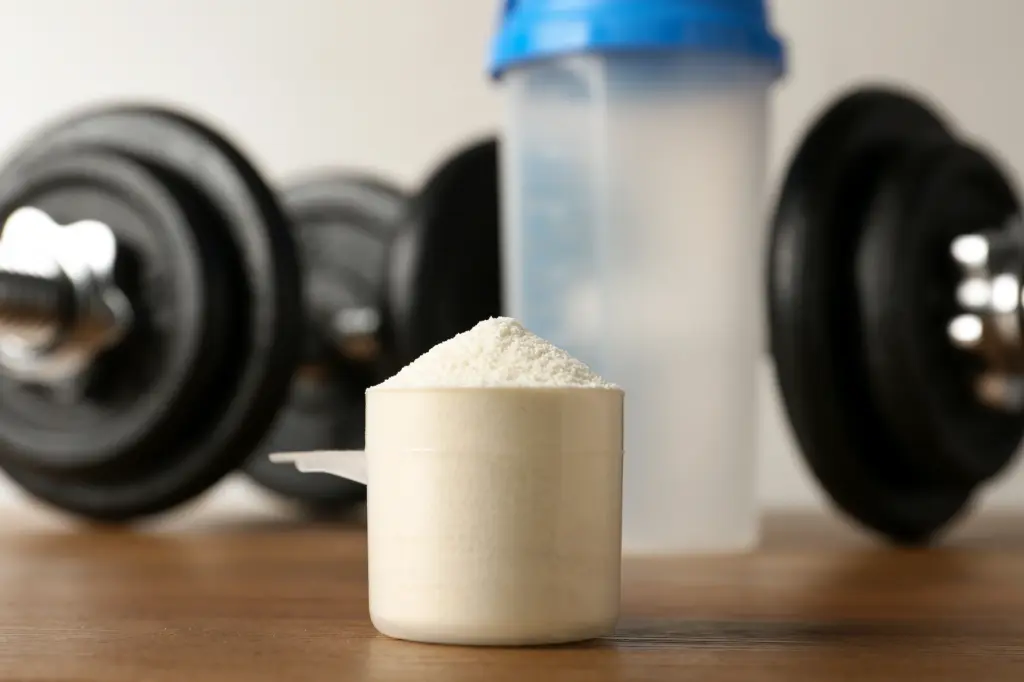
Protein plays a key role in fat loss because it helps preserve muscle mass during a calorie deficit. When the body receives enough protein, it can repair and maintain muscle tissue while burning fat. Protein also helps control appetite by increasing feelings of fullness. This makes it easier to stick to a calorie deficit without feeling constantly hungry. Foods such as lean meats, eggs, dairy, legumes, and plant based protein sources provide essential nutrients for muscle maintenance. Protein also requires more energy to digest compared to fats and carbohydrates, which can slightly increase calorie expenditure. Understanding how to lower body fat percentage includes ensuring adequate protein intake to support both muscle and metabolism during the fat loss process.
Strength Training and Muscle Building
Strength training is one of the most effective ways to reduce body fat while maintaining muscle. Lifting weights or performing resistance exercises stimulates muscle growth and increases strength. Muscle tissue requires more energy to maintain than fat tissue, which means a higher muscle mass can increase resting metabolism. This allows the body to burn more calories even at rest. Strength training also helps improve body composition by reducing fat and increasing muscle definition. Exercises such as squats, deadlifts, and push movements engage multiple muscle groups and support overall strength. Consistency is key, and training several times per week produces better results over time. When people learn how to lower body fat percentage, they often realize that strength training plays a central role in achieving a lean and defined body.
Cardio and Fat Loss
Cardiovascular exercise helps increase calorie expenditure and supports fat loss. Activities such as walking, running, cycling, and swimming can improve heart health and burn calories. Both steady state cardio and high intensity interval training can be effective. Steady state cardio involves maintaining a consistent pace, while interval training alternates between high and low intensity efforts. Each method provides benefits depending on individual preferences and fitness levels. Cardio alone may not be enough for long term fat loss, but it complements strength training and nutrition. Combining different types of exercise creates a balanced approach. Understanding how to lower body fat percentage involves using cardio as a tool to increase calorie burn while maintaining muscle through strength training.
Consistency and Lifestyle Habits
Consistency is one of the most important factors in reducing body fat. Short term efforts may produce temporary results, but long term habits create lasting change. Sleep, stress management, and daily activity levels all influence fat loss. Poor sleep can affect hormones that regulate hunger and metabolism. High stress levels may lead to increased cortisol, which can make fat loss more difficult. Staying active throughout the day, even outside of workouts, helps increase overall energy expenditure. Building habits such as regular exercise, balanced meals, and proper rest supports steady progress. Learning how to lower body fat percentage requires a focus on consistency rather than perfection. Small improvements made consistently lead to meaningful results over time.

Using a Structured Fitness Plan
Following a structured plan can make it easier to stay consistent and track progress. Many individuals struggle because they do not have a clear strategy for training and nutrition. At FitEnomics, programs such as the Best Body Fitness Programs provide guidance on workouts, nutrition, and recovery. These programs help individuals stay focused and avoid common mistakes. A structured plan removes guesswork and allows individuals to follow a clear path toward their goals. When people combine structured training with proper nutrition, they often achieve better and more sustainable results. This approach simplifies the process of learning how to lower body fat percentage and makes progress more predictable.
Conclusion
Learning how to lower body fat percentage requires a balanced approach that includes nutrition, exercise, and consistent habits. A calorie deficit helps the body burn fat, while protein intake and strength training preserve muscle. Cardio supports additional calorie burn, and healthy lifestyle habits improve overall results. There is no single solution, but combining these elements creates a sustainable path toward fat loss. Instead of focusing only on weight, individuals should focus on improving body composition. When consistency and proper strategy come together, achieving a leaner and healthier body becomes more realistic and maintainable over time.