
People often ask a simple but interesting question: what is the strongest muscle in the human body? The answer is not as straightforward as it seems because strength can be measured in different ways. Some muscles produce the greatest force, while others work continuously without fatigue. The masseter muscle in the jaw generates the highest force relative to its size, which makes it a strong candidate for the title. At the same time, the heart works nonstop throughout life, showing unmatched endurance. Large muscles such as the gluteus maximus generate power for movement and support daily activities. Each of these muscles demonstrates strength in a unique way. When you explore what is the strongest muscle in the human body, you must consider how the body uses muscles for different purposes. Instead of focusing on one answer, it is more useful to understand how various muscles contribute to strength, movement, and survival.
How the Body Defines Muscle Strength
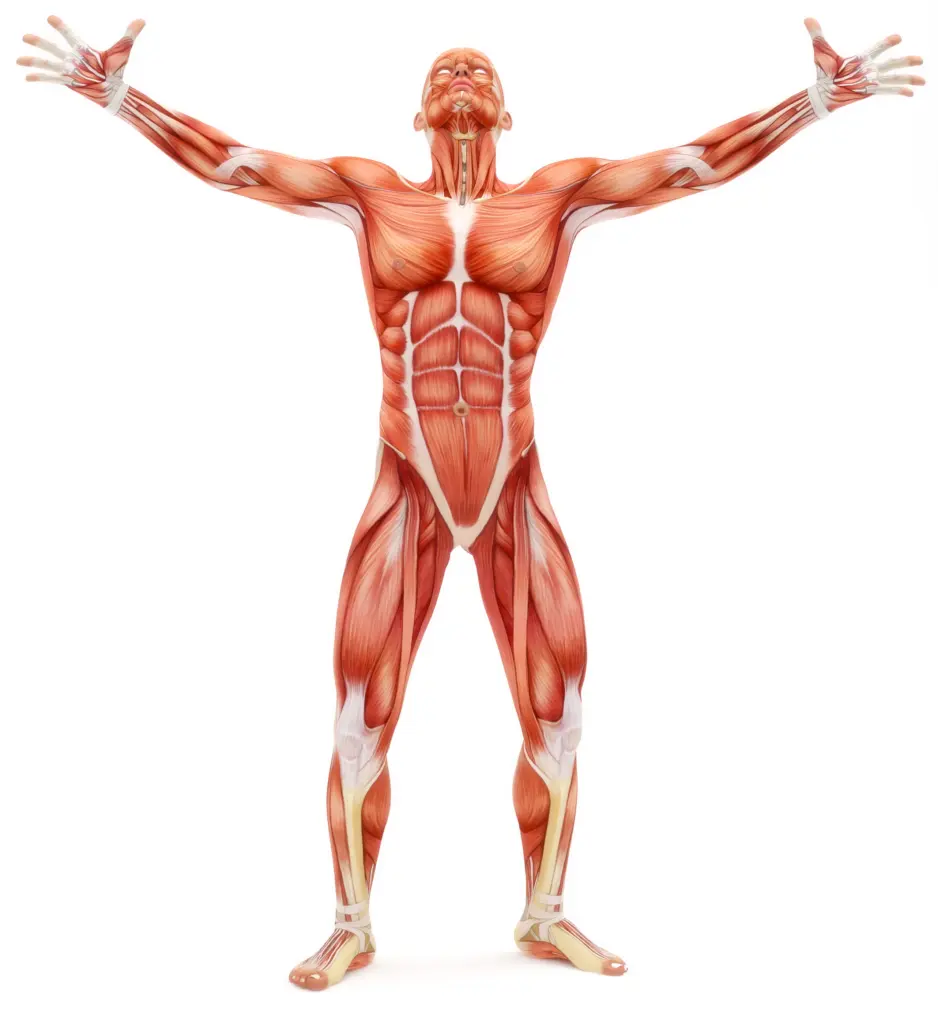
Scientists define muscle strength based on several factors, and each factor highlights a different type of performance. Maximum force output measures how much pressure a muscle can generate in a single effort. Endurance measures how long a muscle can keep working without stopping. Efficiency reflects how well a muscle performs its function during repeated use. These definitions help explain why different muscles qualify as the strongest under different conditions. The body relies on a combination of strength types to function properly. For example, some muscles must generate explosive power for movement, while others must maintain constant activity to support life. When people ask what is the strongest muscle in the human body, they often think about raw power, but endurance and consistency matter just as much. Understanding these definitions allows you to see how strength works across the entire body rather than focusing on a single muscle.
The Masseter Muscle and Bite Force
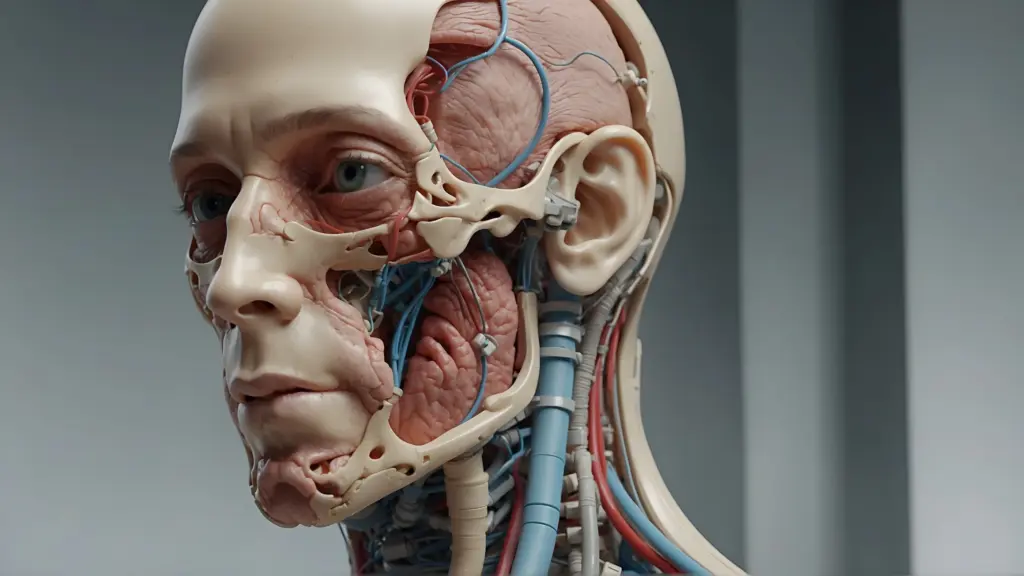
The masseter muscle stands out because it produces a large amount of force in a small area. This muscle controls jaw movement and allows people to chew food effectively. When you bite down, the masseter contracts with significant strength. Researchers have measured bite force in humans and found that it can exceed several hundred pounds under certain conditions. This makes the masseter one of the most powerful muscles when measured by force per square inch. Its compact size combined with its strength makes it unique among muscles in the body. When discussing what is the strongest muscle in the human body, many experts point to the masseter because of its ability to generate such high force relative to its size. Even though it does not support large movements like the legs or back, its strength remains impressive in its specific role.
The Heart and Continuous Strength
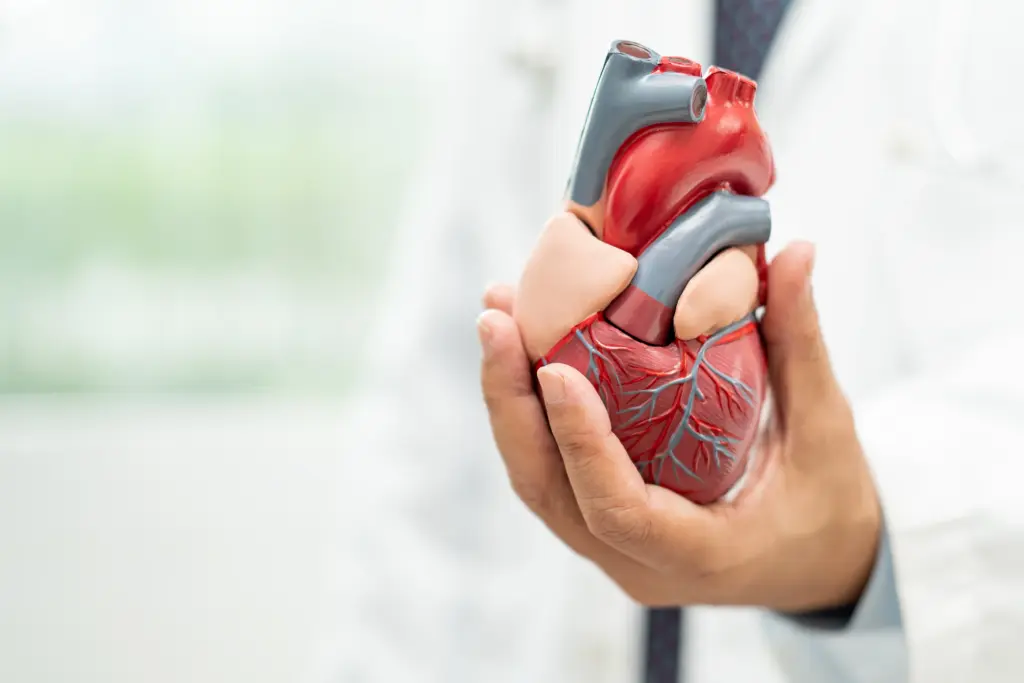
The heart demonstrates a different type of strength that focuses on endurance rather than short bursts of power. It pumps blood throughout the body every second of every day without stopping. This constant activity allows oxygen and nutrients to reach every organ and tissue. The heart performs this task automatically and efficiently without conscious effort. According to the National Heart, Lung, and Blood Institute, the heart beats about 100,000 times each day to maintain circulation. This level of endurance shows a unique form of strength that no other muscle can match. When people ask what is the strongest muscle in the human body, the heart often becomes part of the discussion because it never rests and supports life continuously. Its strength lies in its ability to sustain function rather than produce extreme force.
The Gluteus Maximus and Power Output
The gluteus maximus is the largest muscle in the human body and plays a major role in generating power during movement. It helps the body stand upright, climb stairs, and perform explosive actions such as jumping and sprinting. This muscle produces force during activities that require strength and coordination. Athletes often focus on strengthening the glutes because they contribute to speed and performance. The gluteus maximus also supports posture and stability, which makes it essential for daily movement. When evaluating what is the strongest muscle in the human body, this muscle stands out for its ability to generate high levels of force during large movements. Its size and function allow it to handle heavy loads and repeated activity. This combination of power and stability highlights another form of strength within the body.
The Quadriceps and Everyday Strength
The quadriceps muscles, located at the front of the thigh, support many everyday movements. They help the body stand, walk, run, and jump. These muscles extend the knee and stabilize the lower body during activity. Because people rely on them constantly, they develop both strength and endurance over time. The quadriceps must generate enough force to support body weight while also allowing smooth movement. This makes them one of the most important muscle groups for daily function. When people consider what is the strongest muscle in the human body, they often overlook muscles that perform regular tasks. The quadriceps demonstrate strength through consistent use and reliability rather than extreme force in a single action. Their ability to handle repeated movement shows how functional strength plays a role in overall health.
Why Strength Depends on Function
No single muscle can claim the title of strongest in every situation because each muscle serves a specific purpose. The body uses different muscles for different tasks, and each task requires a unique type of strength. Some muscles produce high force for short periods, while others sustain activity over long periods. This difference explains why the answer to what is the strongest muscle in the human body varies depending on how strength is measured. Instead of searching for one answer, it is more helpful to understand how muscles work together to support movement and survival. Each muscle contributes to the body’s overall performance in a specific way. Recognizing these differences provides a more accurate understanding of strength.
How Training Improves Muscle Strength
People can improve muscle strength through consistent training and proper nutrition. Resistance exercises such as lifting weights increase muscle size and force production. Cardiovascular activities improve endurance and support overall fitness. A balanced routine that includes both types of exercise helps develop complete strength. Nutrition also plays a key role because muscles need protein and other nutrients to repair and grow. At FitEnomics, structured programs such as the Best Body Fitness Programs guide individuals through workouts and nutrition plans that support long term progress. These programs help build strength, improve consistency, and support overall health.
Conclusion
So what is the strongest muscle in the human body? The answer depends on how you define strength. The masseter produces powerful bite force, the heart delivers unmatched endurance, and the gluteus maximus generates strength for movement. Each muscle demonstrates strength in a different way. The body relies on all of these muscles to function effectively. Understanding these differences helps explain why no single muscle holds the title in every category. Strength includes power, endurance, and consistency. When you look at the body as a complete system, it becomes clear that each muscle plays an important role in maintaining health and performance.