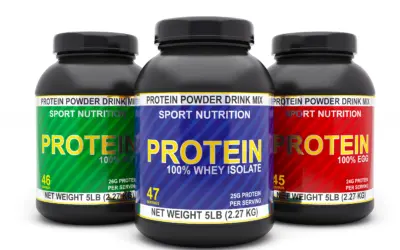
Protein powder has become one of the most widely used supplements in modern fitness and nutrition. Many athletes, gym members, and even people who simply want to improve their diet rely on protein shakes as a convenient way to increase daily protein intake. This leads to an important question that many people ask: are protein powder good for you? The answer depends largely on how the supplement fits into a person’s overall diet and lifestyle. Protein powder itself is not harmful when used in reasonable amounts, and it can offer benefits for muscle recovery, strength development, and daily nutrition. However, it should not replace whole foods entirely. Whole food sources such as eggs, fish, beans, and lean meats provide vitamins, minerals, and fiber that supplements often lack. Protein powder works best as a supportive tool rather than a primary source of nutrition. Understanding how protein supports the body and how supplements are produced can help individuals decide whether protein powder fits their health goals.
Why Protein Is Essential for the Body
Protein plays a critical role in many biological functions that keep the body healthy and functioning properly. Every cell in the body contains protein, which highlights how essential this nutrient is for daily life. Protein provides the building blocks needed to repair and maintain tissues such as muscles, skin, organs, and bones. During exercise, particularly resistance training, muscle fibers experience small amounts of stress and microscopic damage. The body repairs this damage during recovery using amino acids obtained from dietary protein. This rebuilding process allows muscles to grow stronger and more resilient over time. Protein also contributes to enzyme production, hormone regulation, and immune system support. Because of these important roles, adequate protein intake becomes essential for people who exercise regularly or want to maintain muscle mass as they age. According to the U.S. Department of Agriculture, protein rich foods form a key part of a balanced diet that supports health and proper body function.
How Protein Powder Is Made
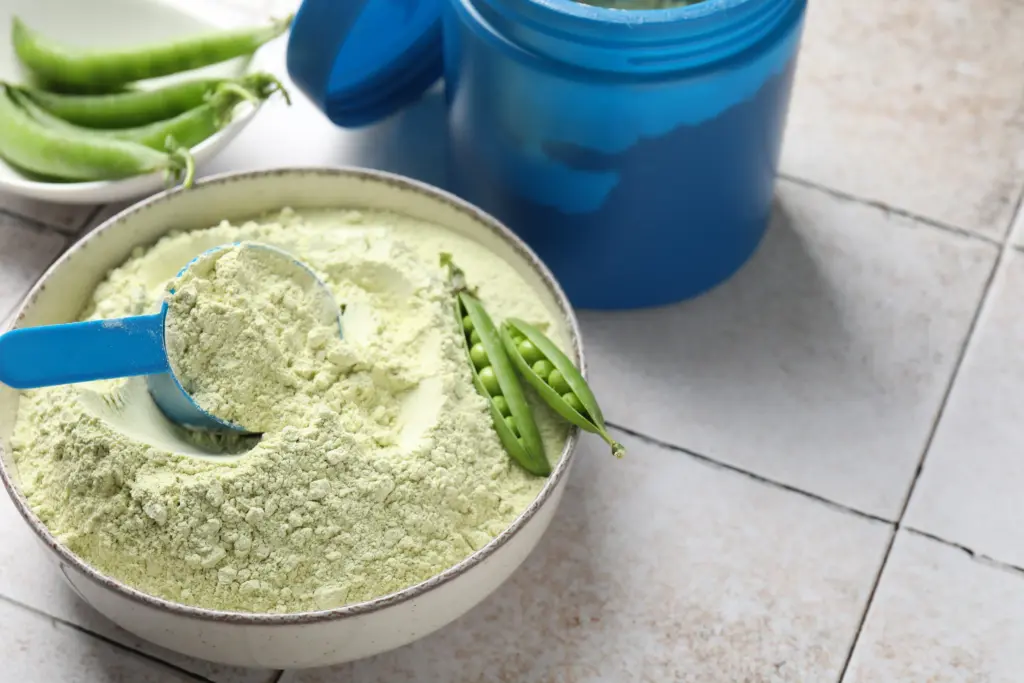
Understanding how protein powder is made helps explain why it can be useful as a supplement. Manufacturers usually produce protein powder from foods that naturally contain high levels of protein. Dairy products are one of the most common sources used in protein supplements. Milk contains two major proteins called whey and casein. During cheese production, liquid whey separates from the solid curds, and this whey becomes the base ingredient for whey protein powder. The liquid undergoes filtration processes that remove fats and carbohydrates while concentrating the protein. The filtered liquid is then dried using spray drying technology, which transforms it into the powdered form that consumers recognize. Plant based protein powders follow a similar process but use ingredients such as peas, soybeans, rice, or hemp seeds as the starting material. These ingredients are processed to isolate the protein before drying. Flavorings, vitamins, and other nutrients are sometimes added to improve taste and nutritional value. Learning how protein powder is produced helps consumers evaluate product quality and ingredient transparency.

Benefits of Protein Powder for Muscle Recovery
One of the main reasons people use protein powder involves its ability to support muscle recovery after exercise. Strength training and other forms of intense physical activity place stress on muscle tissue. The body responds by repairing and strengthening these tissues during the recovery period that follows exercise. Amino acids from dietary protein supply the raw materials needed for this rebuilding process. Protein powder provides a convenient source of these amino acids. Many athletes choose protein shakes because they digest quickly and require minimal preparation. Consuming protein shortly after exercise may help the body begin the recovery process more efficiently. Protein powder also allows individuals to meet their daily protein needs when they do not have time to prepare full meals. While whole foods remain the best source of nutrition, supplements can help fill nutritional gaps when schedules become busy.
Protein Powder and Weight Management
Protein intake influences body weight in several ways. Foods rich in protein often help people feel full for longer periods of time compared with foods high in simple carbohydrates. This feeling of fullness may reduce the urge to snack between meals and support better calorie control throughout the day. Protein digestion also requires more energy compared with the digestion of carbohydrates or fats. Because of this, the body may burn slightly more calories when processing protein rich foods. Individuals who aim to lose weight or maintain muscle while reducing body fat often focus on increasing protein intake. Protein powder can make it easier to reach recommended protein levels without consuming large amounts of additional calories. However, relying entirely on supplements is not ideal. Whole foods provide additional nutrients that support overall health.

Possible Concerns With Protein Supplements
Although protein powder can provide benefits, certain concerns should be considered before adding supplements to a diet. Some protein powders contain added sugars, artificial sweeteners, or unnecessary fillers that reduce the nutritional quality of the product. Consuming large amounts of protein supplements may also lead to excessive calorie intake if the shakes contain high calorie ingredients. Another concern involves replacing whole foods with supplements too frequently. Whole foods offer fiber, antioxidants, and micronutrients that contribute to long term health. Supplements typically focus on delivering one main nutrient rather than providing a complete nutritional profile. Careful product selection helps minimize these risks. Reading ingredient labels and choosing products with fewer additives can improve the overall quality of a supplement.
Choosing the Right Protein Powder
Selecting a high quality protein powder requires careful attention to ingredient lists and nutritional information. Products that contain simple ingredients often provide better nutritional value and fewer unnecessary additives. Whey protein isolate is a popular option because it contains a high concentration of protein with minimal carbohydrates and fats. Plant based protein powders offer alternatives for individuals who follow vegetarian or vegan diets. Pea protein and soy protein are common examples. Taste preferences and digestion also influence product selection. Some individuals find certain protein powders easier to digest than others. Reliable brands usually provide transparent labeling and may offer third party testing results to confirm product quality.
Conclusion
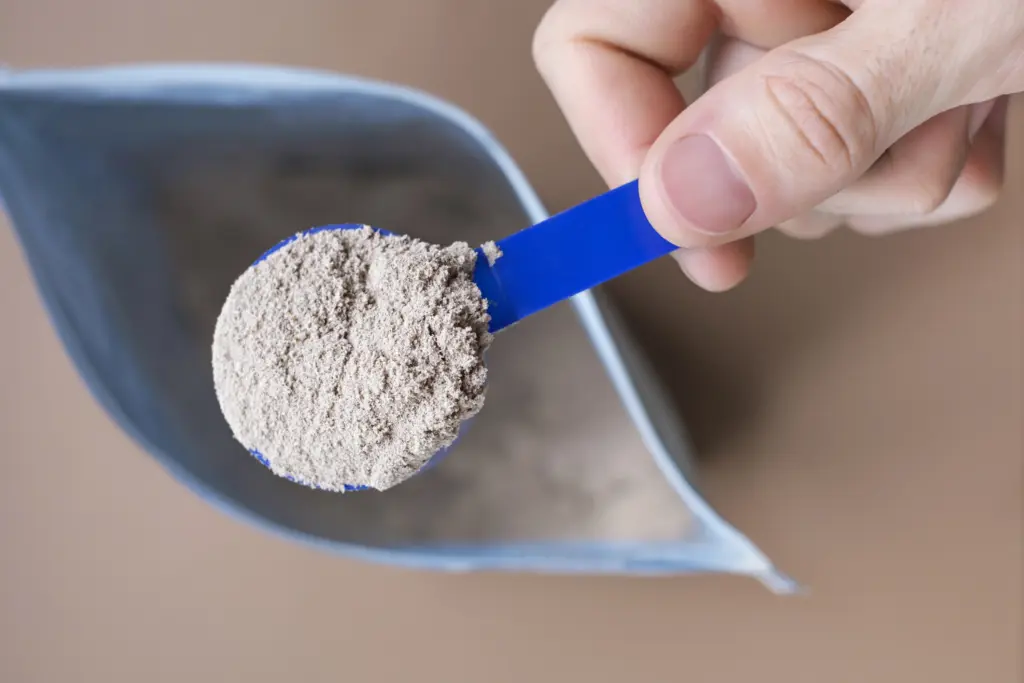
So are protein powder good for you? In many cases they can support health and fitness goals when used appropriately. Protein powder provides a convenient way to increase daily protein intake and support muscle recovery after exercise. However, supplements should not replace balanced meals that include natural protein sources and other essential nutrients. Whole foods remain the foundation of healthy nutrition. Supplements work best when they complement a well structured diet and active lifestyle. Programs such as the Best Body Fitness Programs offered by FitEnomics help individuals combine proper training with balanced nutrition strategies. When protein supplements support rather than replace healthy eating habits, they can play a useful role in maintaining strength, recovery, and overall wellness.