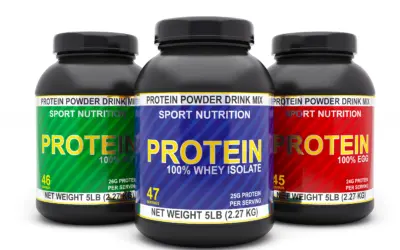
Protein powder appears in many fitness routines today. Athletes, gym goers, and people focused on nutrition often add it to shakes or smoothies. Many people understand its purpose, but fewer know how protein powder is made. The process begins with extracting protein from natural food sources such as milk, eggs, or plants. Manufacturers separate the protein from fats and carbohydrates through several filtration and purification steps. After extraction, the protein becomes a dry powder that mixes easily with liquids. The final product often contains additional ingredients that improve flavor, texture, and shelf life. Although the concept sounds simple, the production process involves advanced food science and strict quality control. Understanding how protein powder is made can help people choose products that match their health and fitness goals. When consumers learn how raw ingredients become a concentrated protein supplement, they gain a clearer picture of how these products support muscle recovery and daily nutrition.
The Raw Ingredients Used to Produce Protein Powder
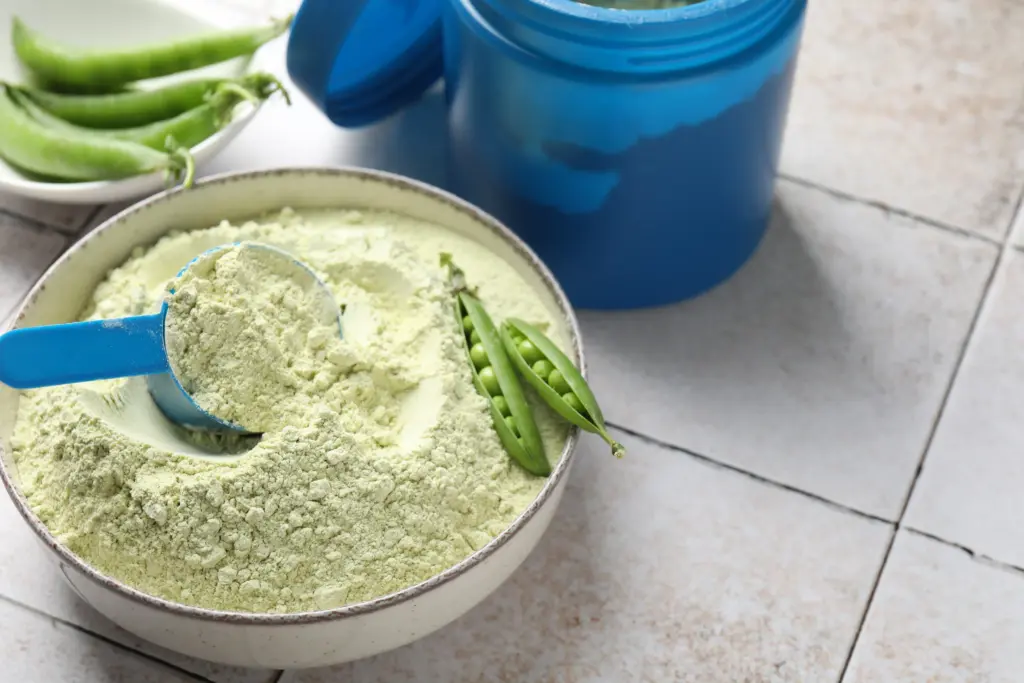
The first step in understanding how protein powder is made begins with the ingredients used to create it. Most protein powders come from natural food sources that already contain high levels of protein. Dairy based protein powders usually begin with milk. Milk naturally contains two main proteins called whey and casein. Manufacturers separate these proteins during the cheese making process. Whey protein comes from the liquid portion of milk, while casein remains in the solid portion. Plant based protein powders use ingredients such as peas, soybeans, rice, or hemp seeds. These plant sources contain protein that manufacturers extract and concentrate through specialized processing techniques. Each raw ingredient influences the nutritional profile and texture of the final powder. Some protein sources digest quickly, while others release amino acids more slowly. According to the U.S. Department of Agriculture, protein rich foods provide essential amino acids that support muscle repair and overall health. Manufacturers choose ingredients carefully to produce protein powders that support different dietary needs and fitness goals.
How Protein Is Extracted From Food Sources
Once manufacturers select the raw ingredients, the next step involves extracting the protein from those foods. This stage separates protein from other components such as fat, carbohydrates, and water. For whey protein, the extraction process begins during cheese production. When enzymes or acids are added to milk, the milk separates into curds and liquid whey. The whey liquid contains dissolved protein along with lactose and minerals. Manufacturers collect this liquid and filter it to isolate the protein. Plant based proteins require a slightly different process. Manufacturers grind plant materials into fine particles and mix them with water. This mixture allows protein molecules to dissolve while other substances remain solid. Through filtration and centrifugation, producers separate the dissolved protein from remaining plant fibers and starches. These extraction techniques allow manufacturers to obtain concentrated protein that can later be processed into powder form.

The Filtration and Purification Process
Filtration represents one of the most important stages in the production process. During filtration, manufacturers remove unwanted components while concentrating the protein. Advanced filtration systems use membranes that allow smaller molecules to pass through while retaining larger protein molecules. Microfiltration and ultrafiltration techniques help separate protein from lactose, fats, and other impurities. The goal is to produce a cleaner and more concentrated protein solution. This stage determines whether the final product becomes a protein concentrate, isolate, or hydrolysate. Protein concentrates contain a moderate level of protein with small amounts of fats and carbohydrates. Protein isolates go through additional filtration to remove more lactose and fat, which results in higher protein content. Hydrolyzed proteins undergo partial breakdown so the body can digest them more quickly. Each of these forms serves different nutritional purposes and affects how quickly the body absorbs amino acids after consumption.
Drying the Protein Into Powder Form
After filtration produces a concentrated protein liquid, manufacturers must convert it into a stable powder. This step usually involves spray drying technology. In this process, the liquid protein enters a large drying chamber where it is sprayed into tiny droplets. Hot air circulates through the chamber and removes moisture from the droplets almost instantly. As the water evaporates, dry protein particles form and settle at the bottom of the chamber. These particles create the powder that consumers recognize. Spray drying allows producers to remove moisture while preserving the nutritional quality of the protein. The result is a shelf stable product that dissolves easily in water or milk. Because this process occurs quickly, it helps maintain the amino acid structure that supports muscle repair and recovery.
Flavoring and Additional Ingredients
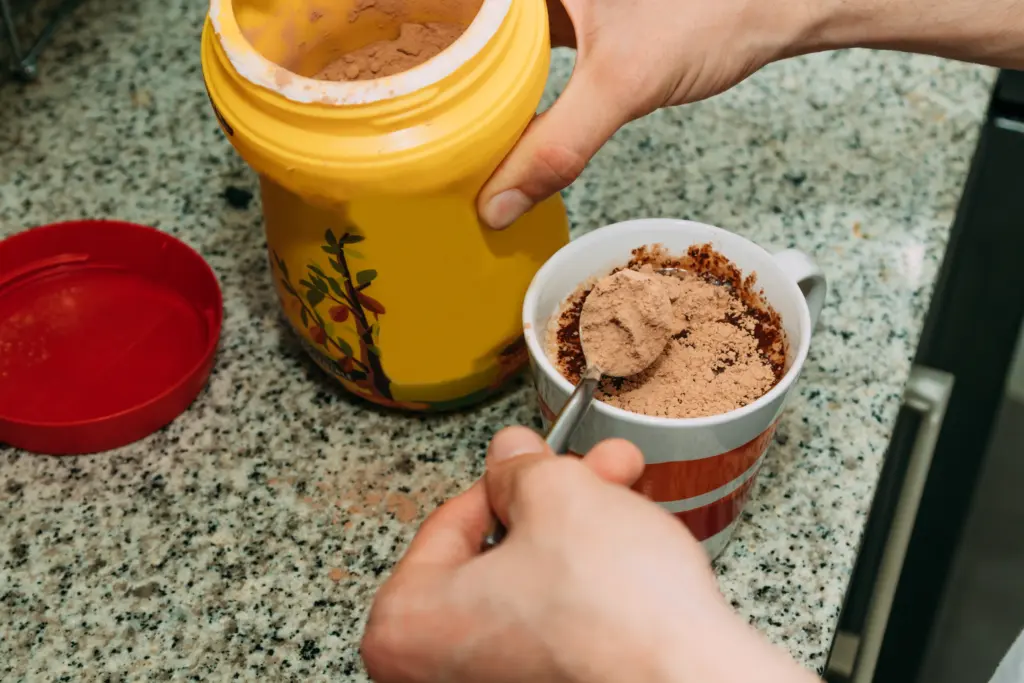
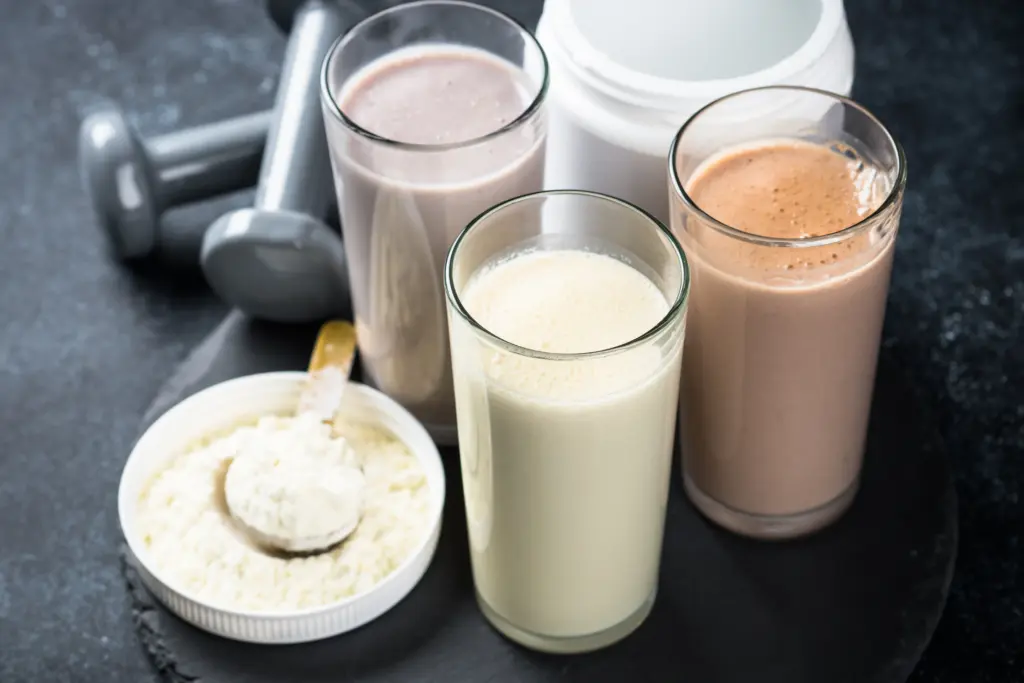
Once manufacturers create the base protein powder, they often add ingredients that improve taste and texture. Pure protein powder tends to have a neutral or slightly bitter flavor. To make the product more enjoyable, producers add natural or artificial flavors such as vanilla, chocolate, or fruit blends. Sweeteners may also appear in some formulas to enhance taste. Manufacturers sometimes include additional ingredients such as digestive enzymes, vitamins, or minerals. These additions aim to improve digestion and increase the nutritional value of the supplement. However, ingredient lists vary widely among brands. Consumers should read product labels carefully to understand what each formula contains. Simple ingredient lists often indicate fewer additives and a more straightforward nutritional profile.
Quality Control and Safety Standards
Food safety plays a major role in protein powder production. Manufacturers must follow strict guidelines to ensure products remain safe for consumption. Facilities test ingredients and finished products to verify purity, protein content, and absence of harmful contaminants. Quality control teams also monitor production conditions to prevent contamination during processing. Government agencies and independent laboratories may conduct additional testing to confirm product safety and label accuracy. These standards help protect consumers and ensure that supplements meet regulatory requirements. Reliable manufacturers also perform third party testing to confirm that their protein powders contain the ingredients listed on the label.
Conclusion
Understanding how protein powder is made provides valuable insight into the supplements many people use to support their fitness goals. The process begins with natural protein sources such as milk or plants. Manufacturers extract and filter the protein to remove unwanted components. After purification, spray drying converts the protein liquid into a powder that mixes easily with liquids. Flavoring and additional ingredients may enhance taste and nutrition before the product reaches store shelves. When individuals understand this process, they can evaluate different protein powders with greater confidence. At FitEnomics, structured training and nutrition strategies help individuals combine proper workouts with smart supplementation. Programs such as the Best Body Fitness Programs guide individuals toward balanced fitness routines that support muscle recovery and overall health.